
Planning
San José, Costa Rica
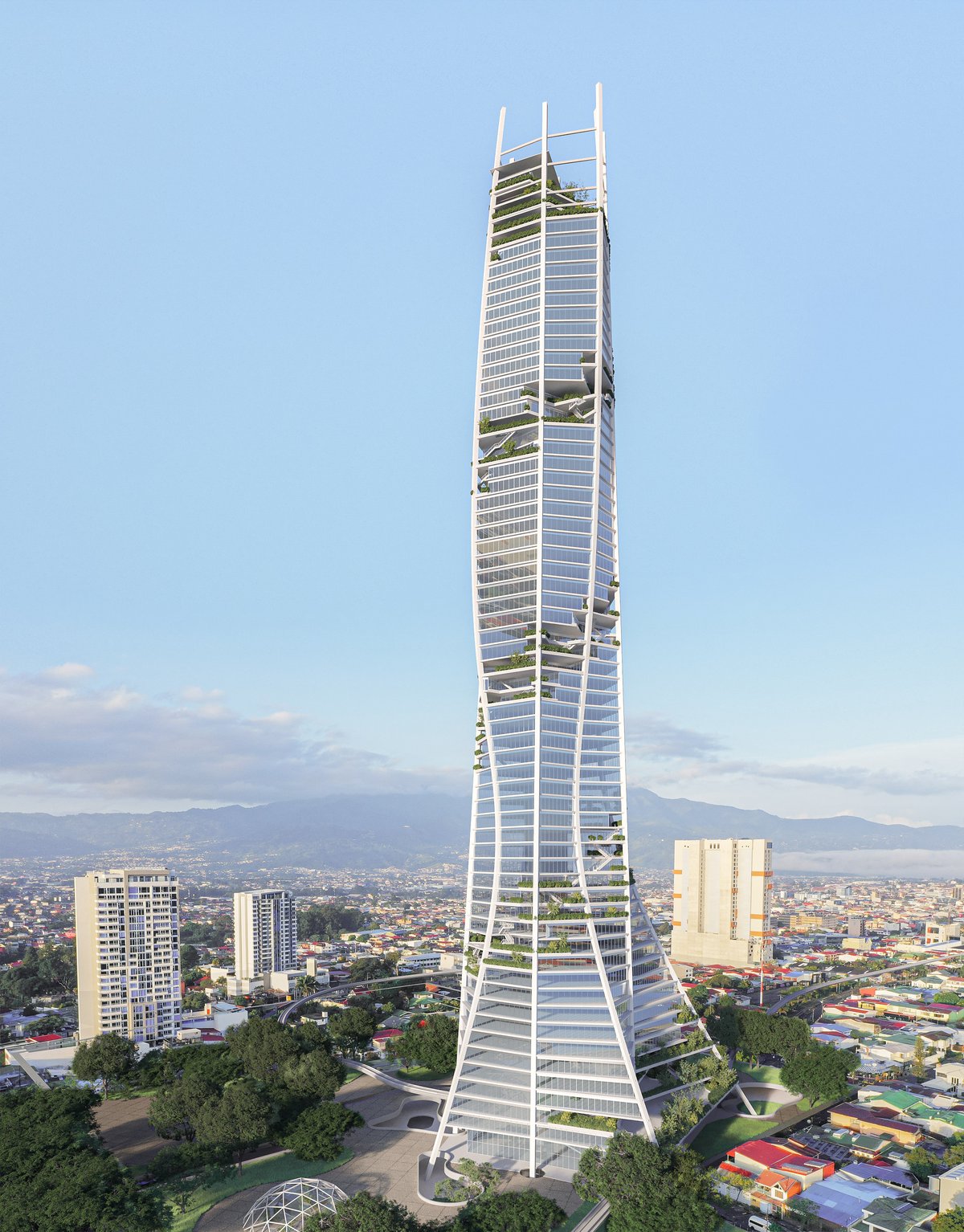
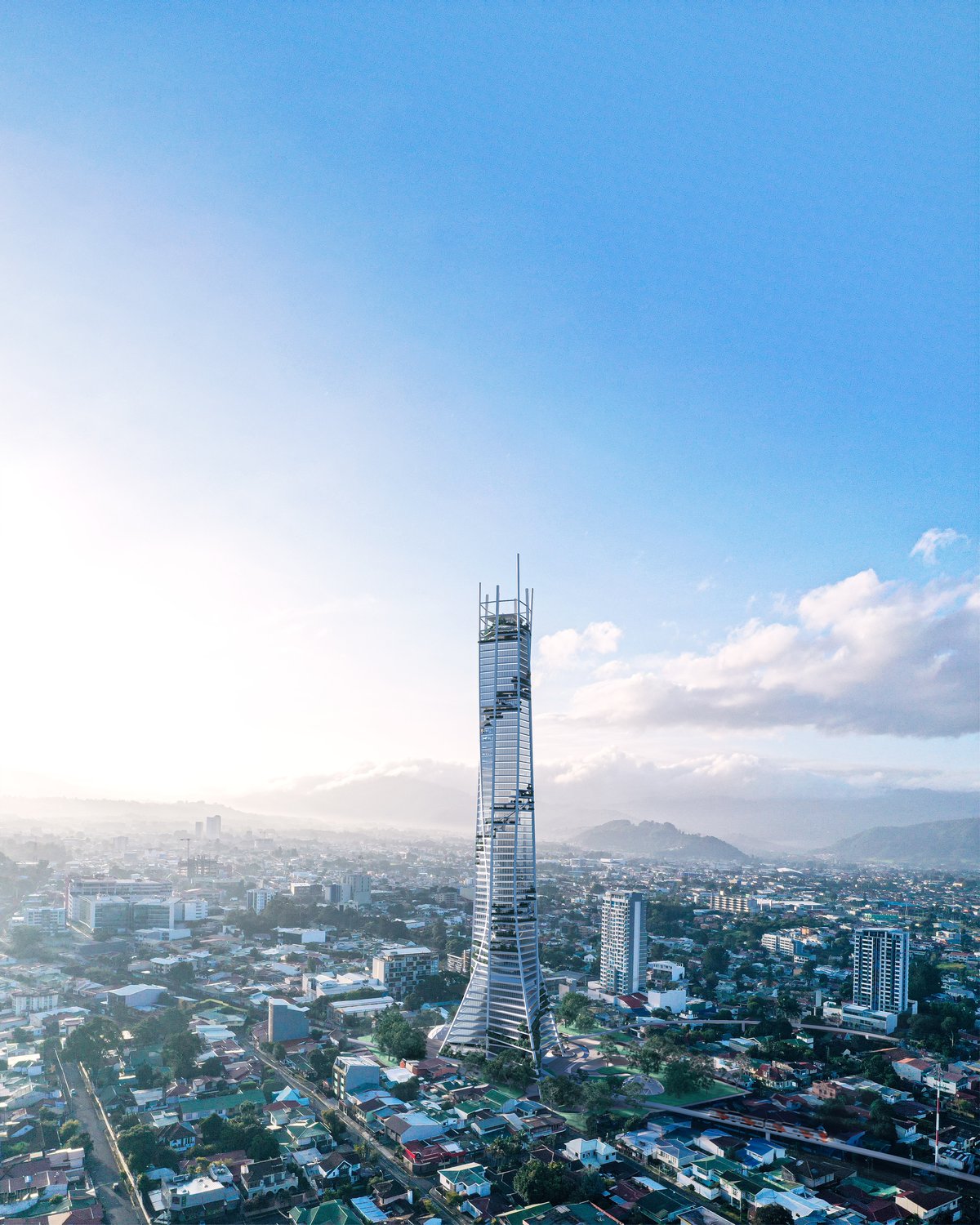
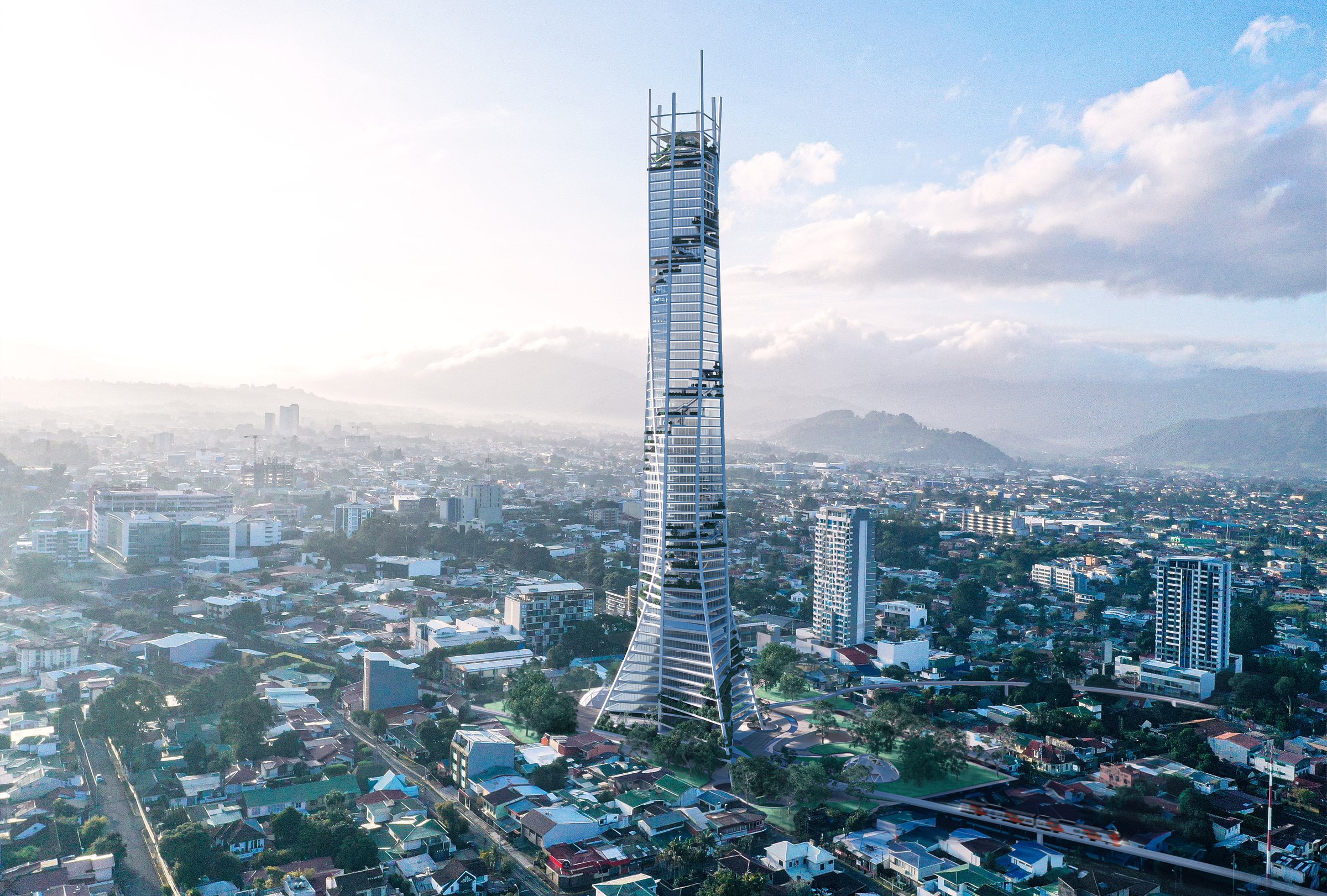
A proposed 65-level, 294-metre tower for San José — sited at the intersection of two electric train lines and structured around a form derived from the spreading root system of Costa Rica's tropical trees.
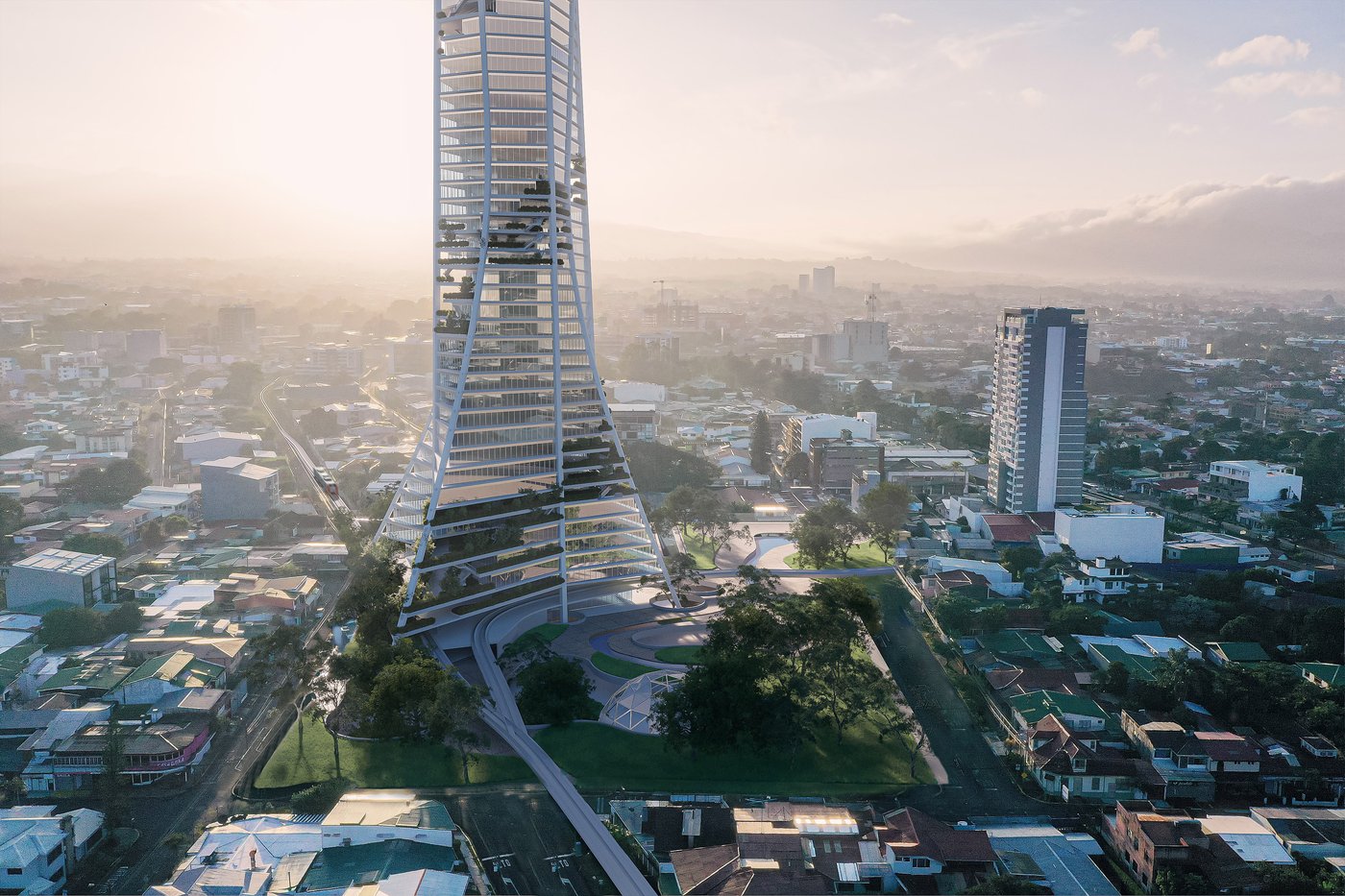
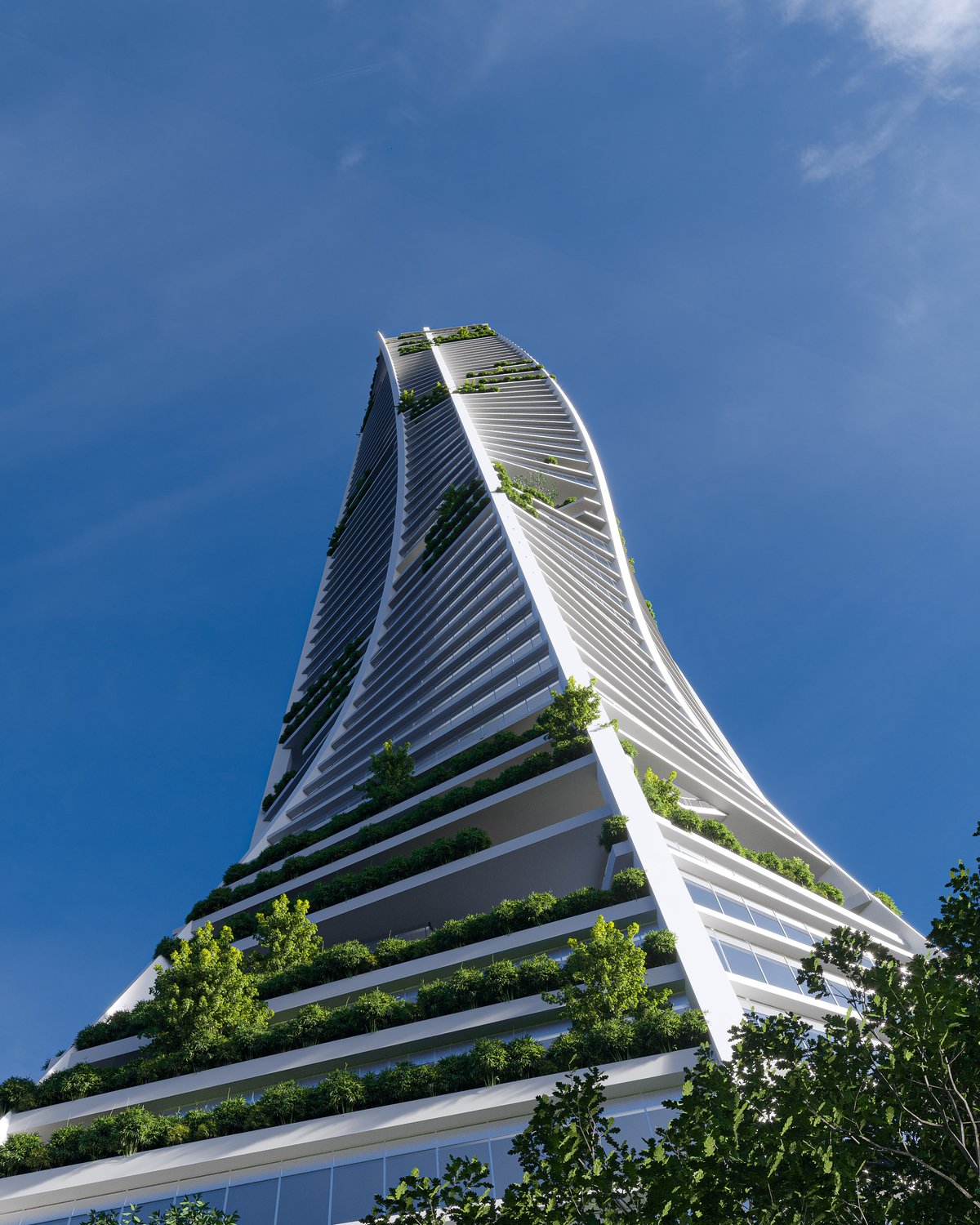
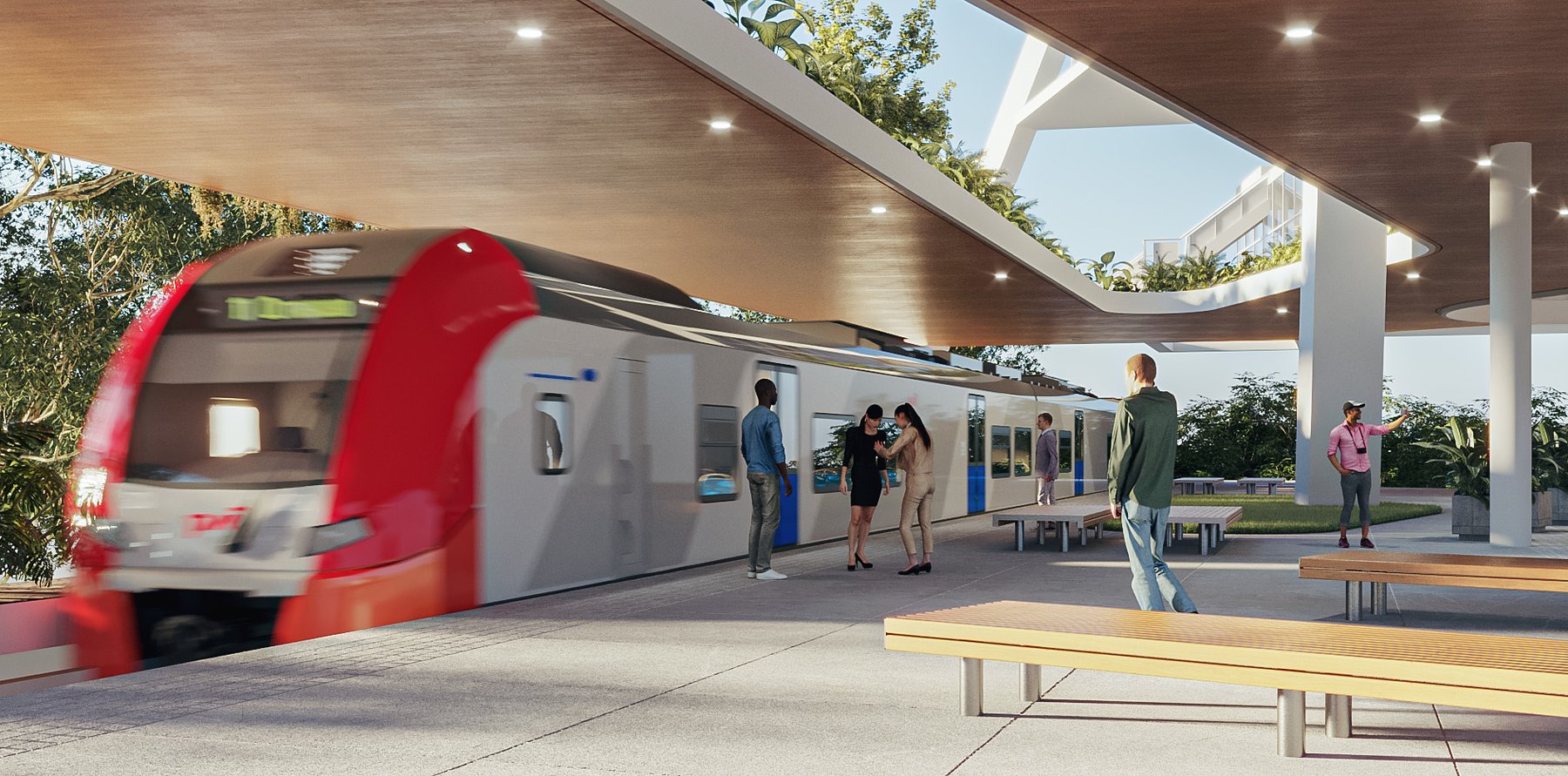
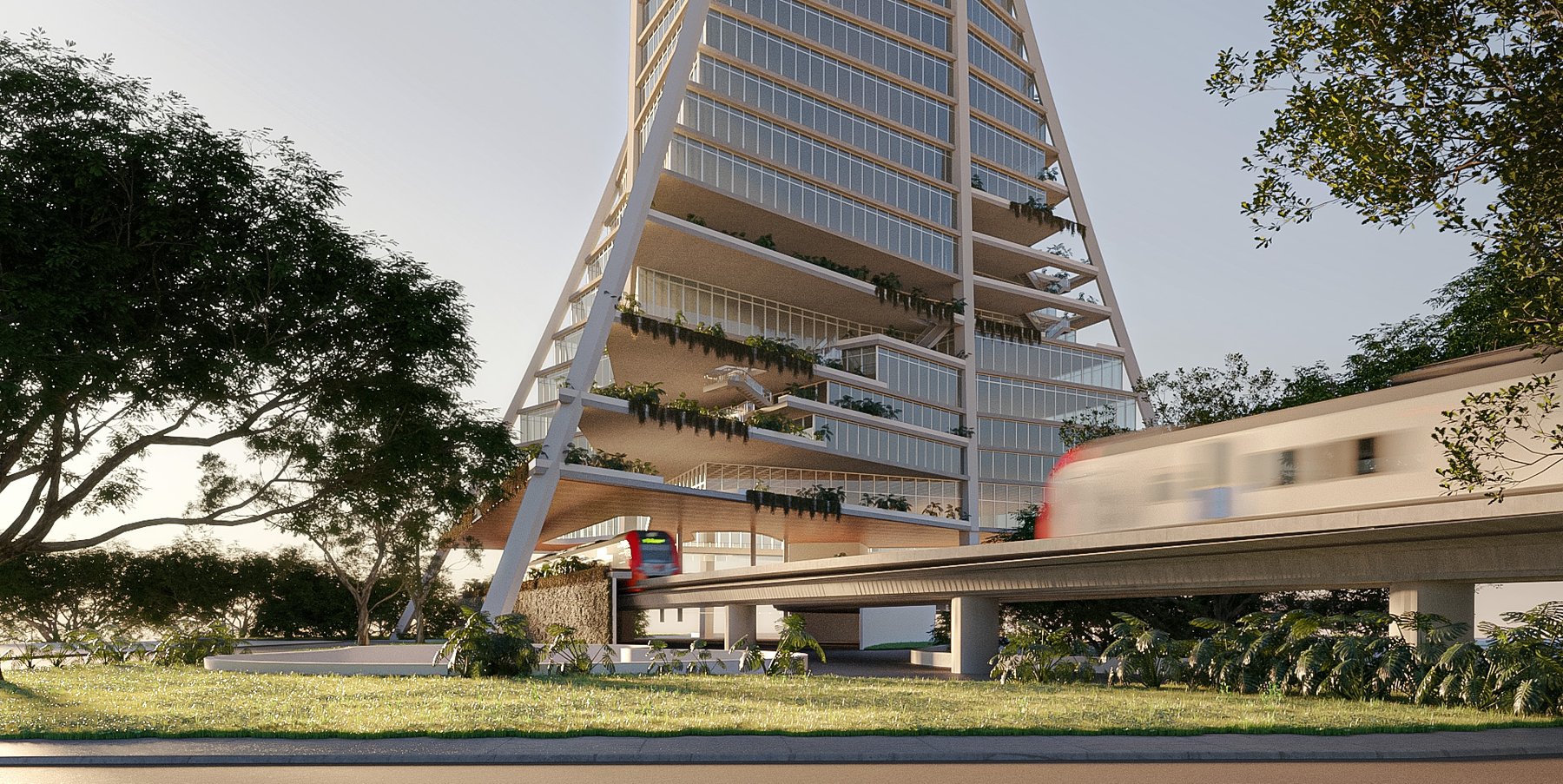
Torre del Bicentenario is Inverse Project's vision for a landmark tower to mark the 200th anniversary of Costa Rica's independence in 2021. At 65 levels and 294 metres, it would be the tallest structure in Central America — a vertical city designed not as an imposition on the landscape but as an extension of it. The tower is sited at the intersection of two revitalized electric train lines in San José, with its base forming a transit hub that serves both routes. This positioning aligns the project with Costa Rica's goal of reaching carbon neutrality by 2050, dramatically reducing car trips and parking demand at the city's most connected node.
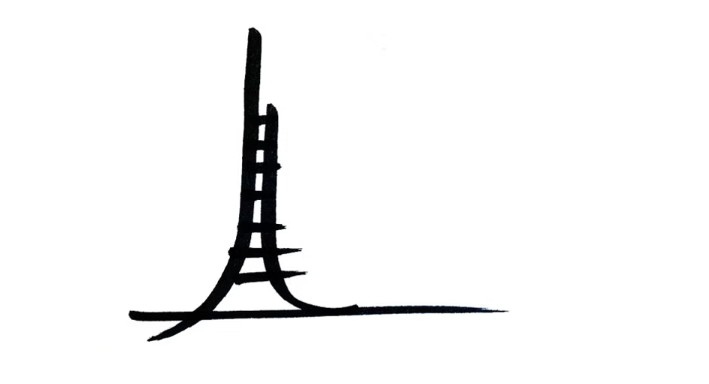
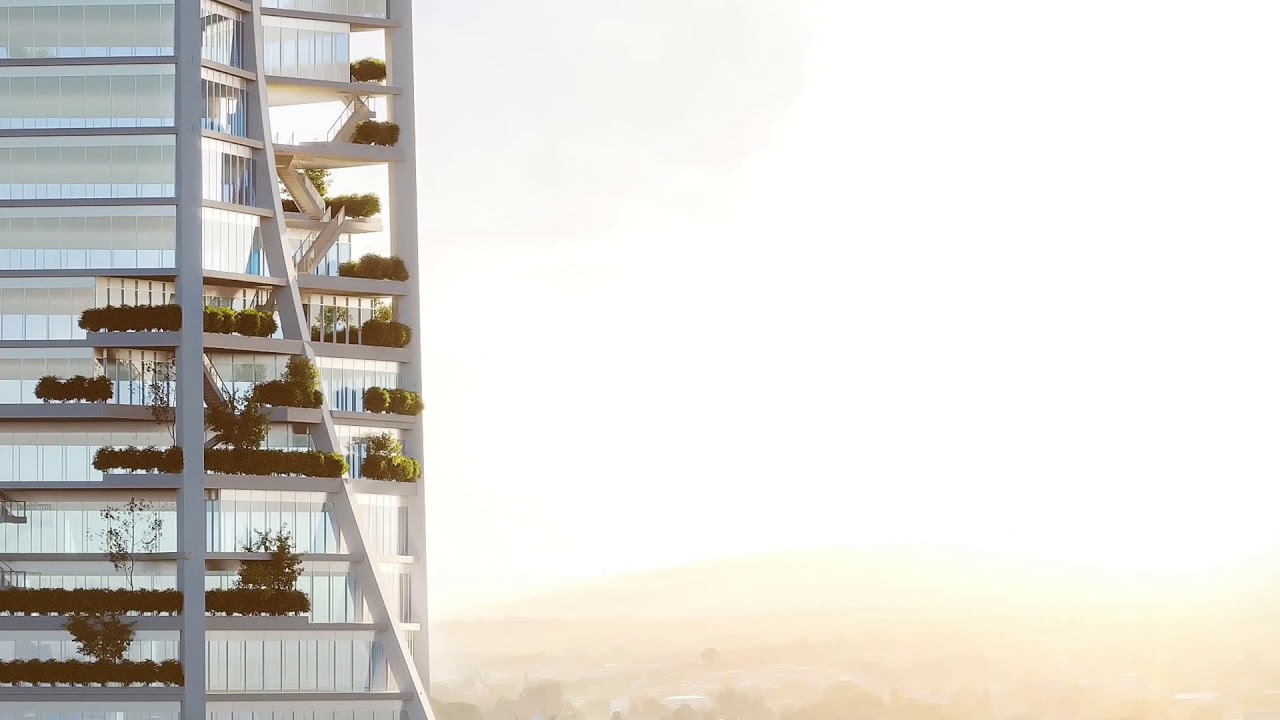
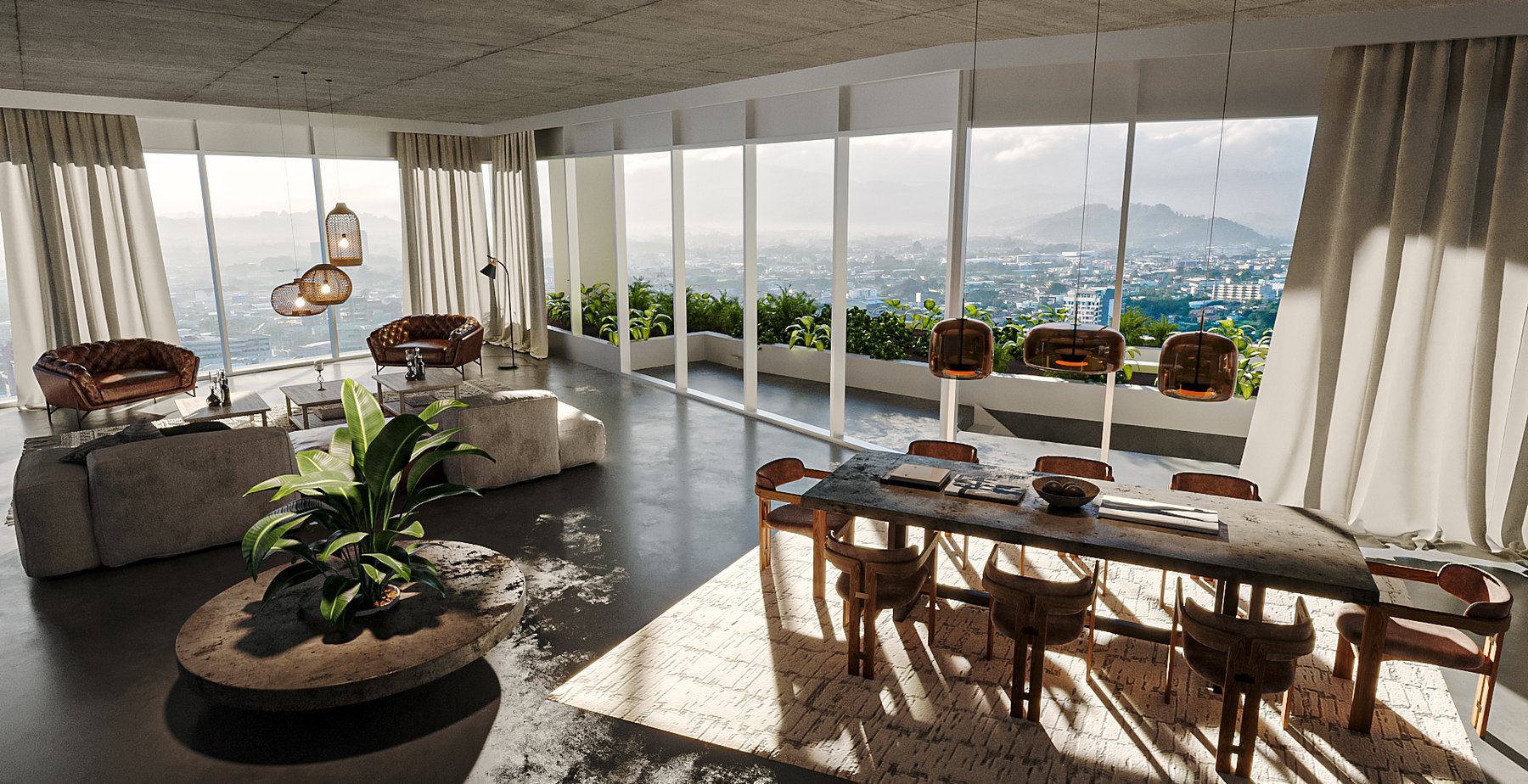
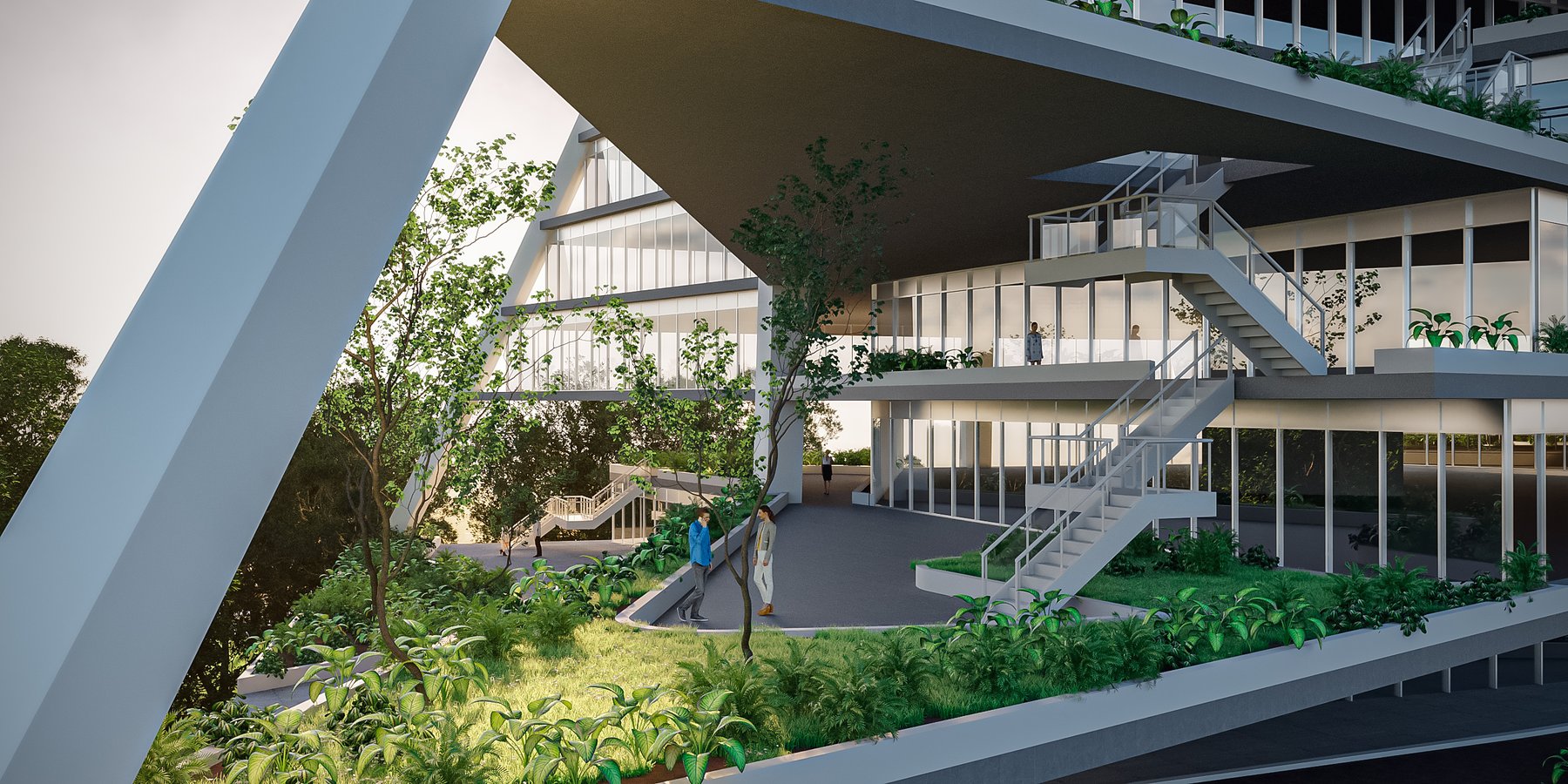
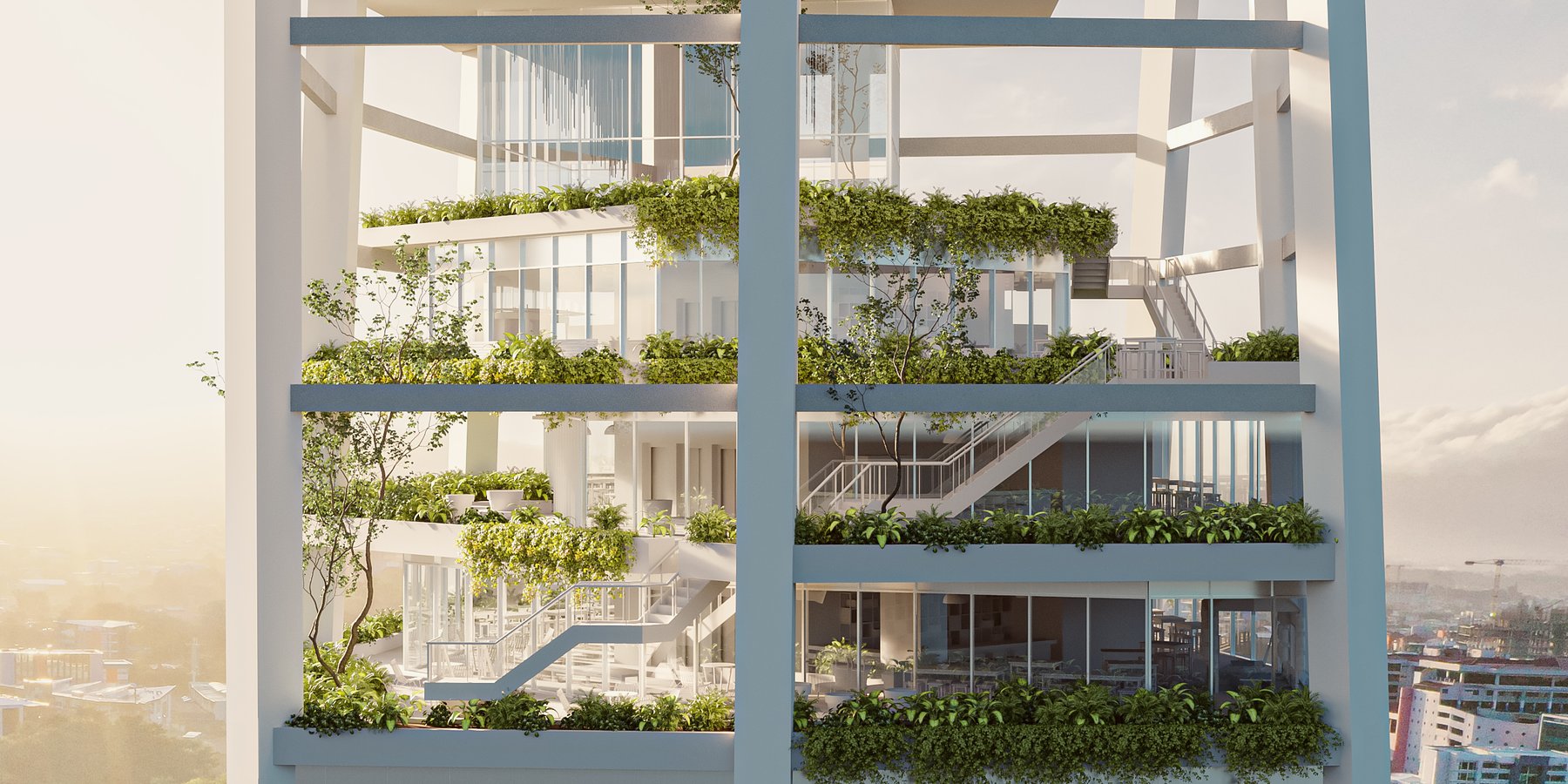
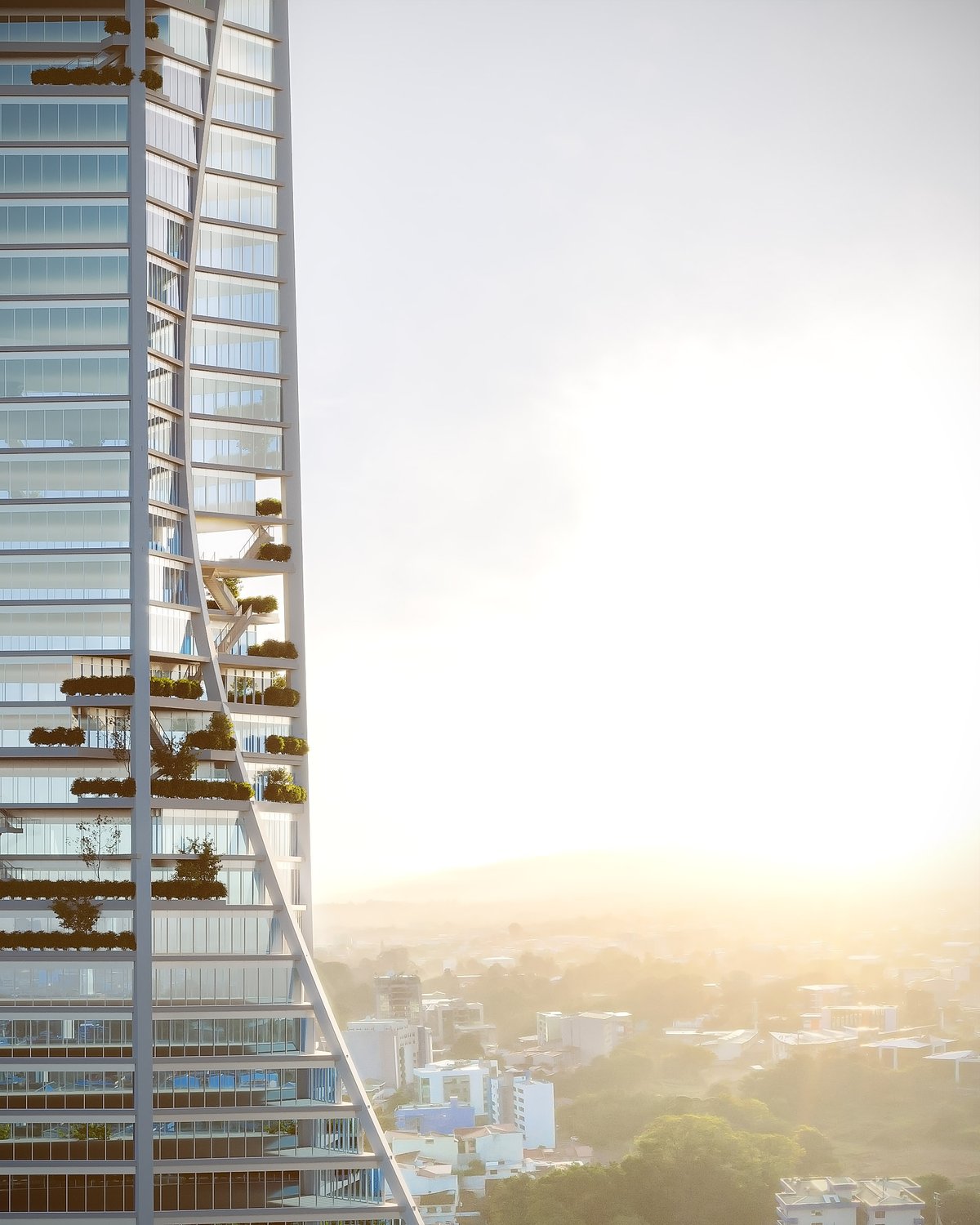
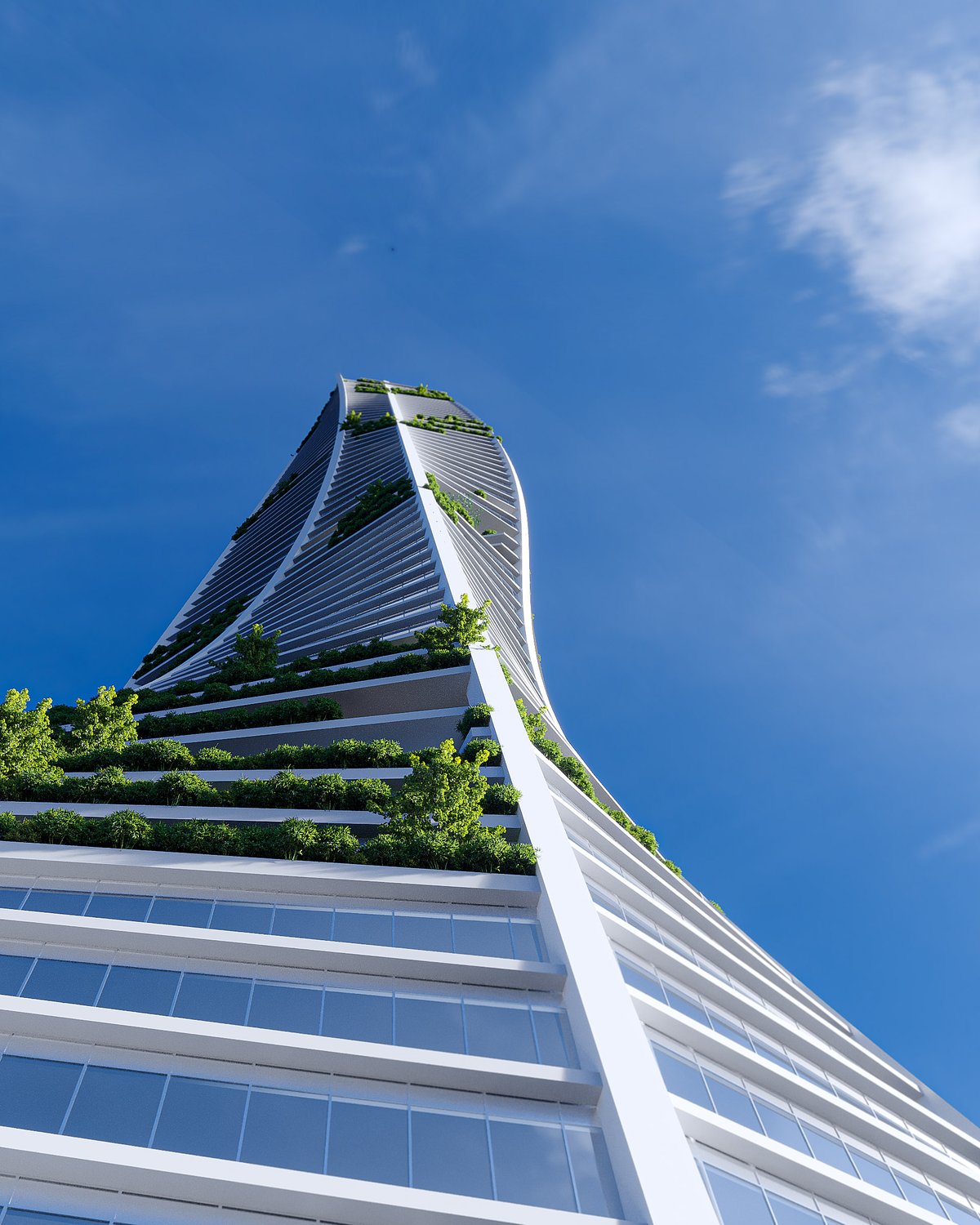
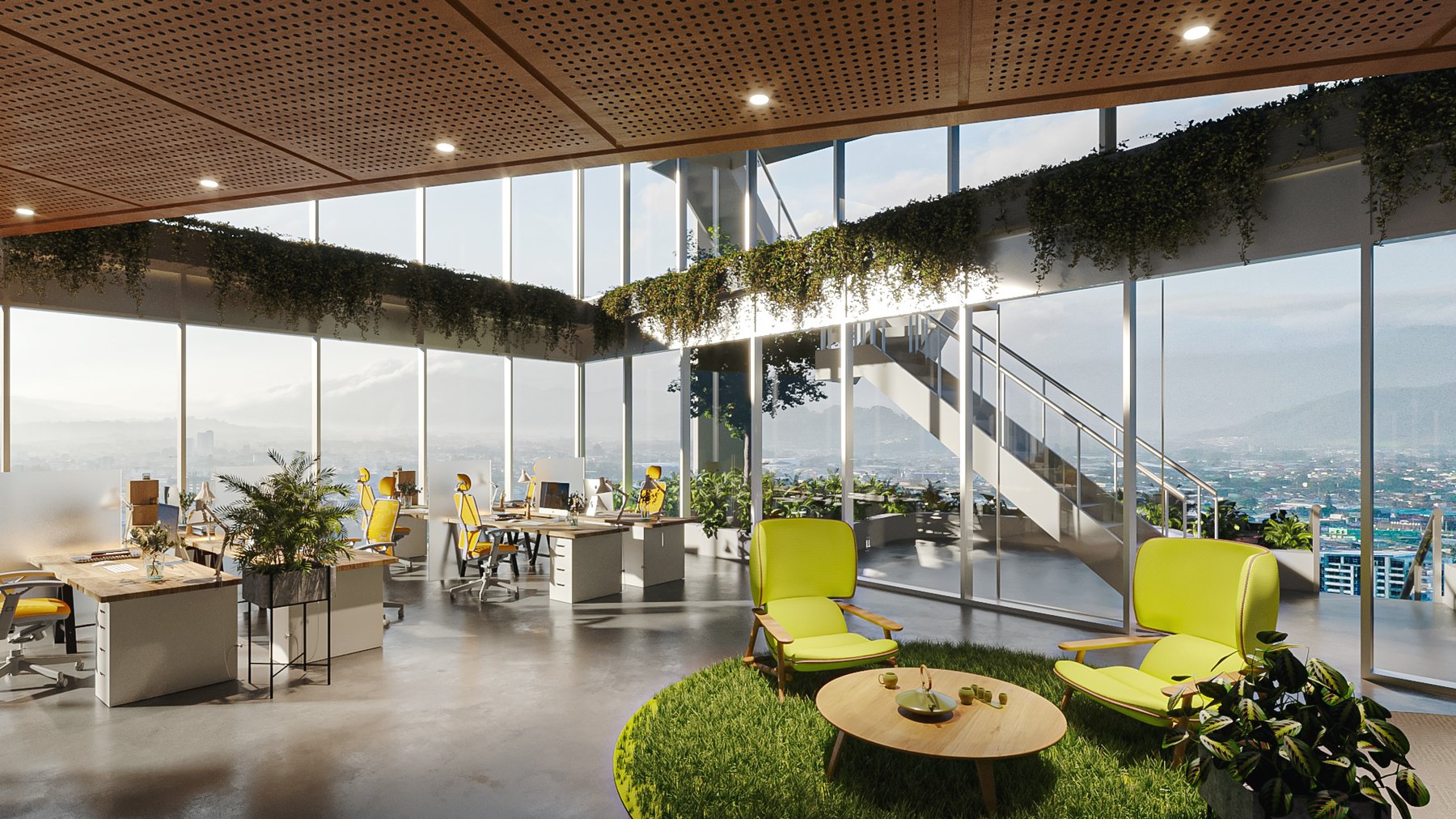
The form is derived from Costa Rica's trees. The structural principle resembles spreading roots — the base widens as it meets the ground, channelling loads outward the way a great tropical tree distributes its weight. The twisting profile is achieved through a ruled surface: straight lines connecting equal points along four curving columns, generating a complex geometry from a simple geometric law. A spiralling exterior walkway rises from base to crown, connecting a series of sky terraces planted with native species. Residents and visitors can walk the full height of the building, pausing at garden terraces with views across the forested mountains and volcanoes of the Central Valley. Programmatically the tower is a vertical city: a train station and retail base, university and co-working floors, apartments, a hotel, and a four-level crown of restaurants and viewing decks. Sustainability is embedded in the architecture — the curved form reduces wind loads and structural material, high-efficiency glazing and window overhangs manage solar gain, and rainwater capture systems close the water cycle on-site.