
Residential
San Antonio, Escazú, Costa Rica
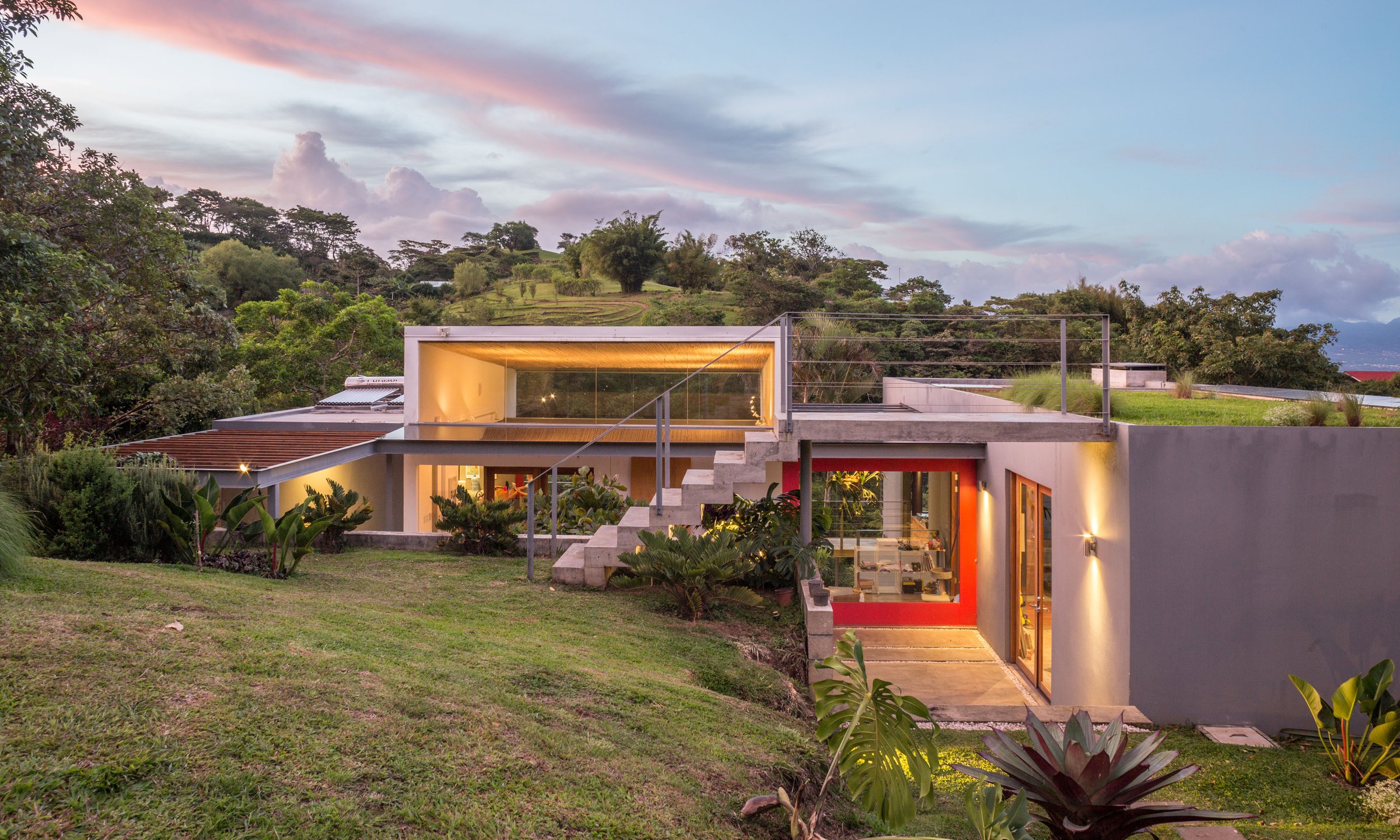
The architects' own home: an adaptive reuse of two abandoned concrete structures on a hillside in Escazú, transformed into a family house facing Irazú — completed in seven months, saving an estimated 1,200 tonnes of embodied CO₂.
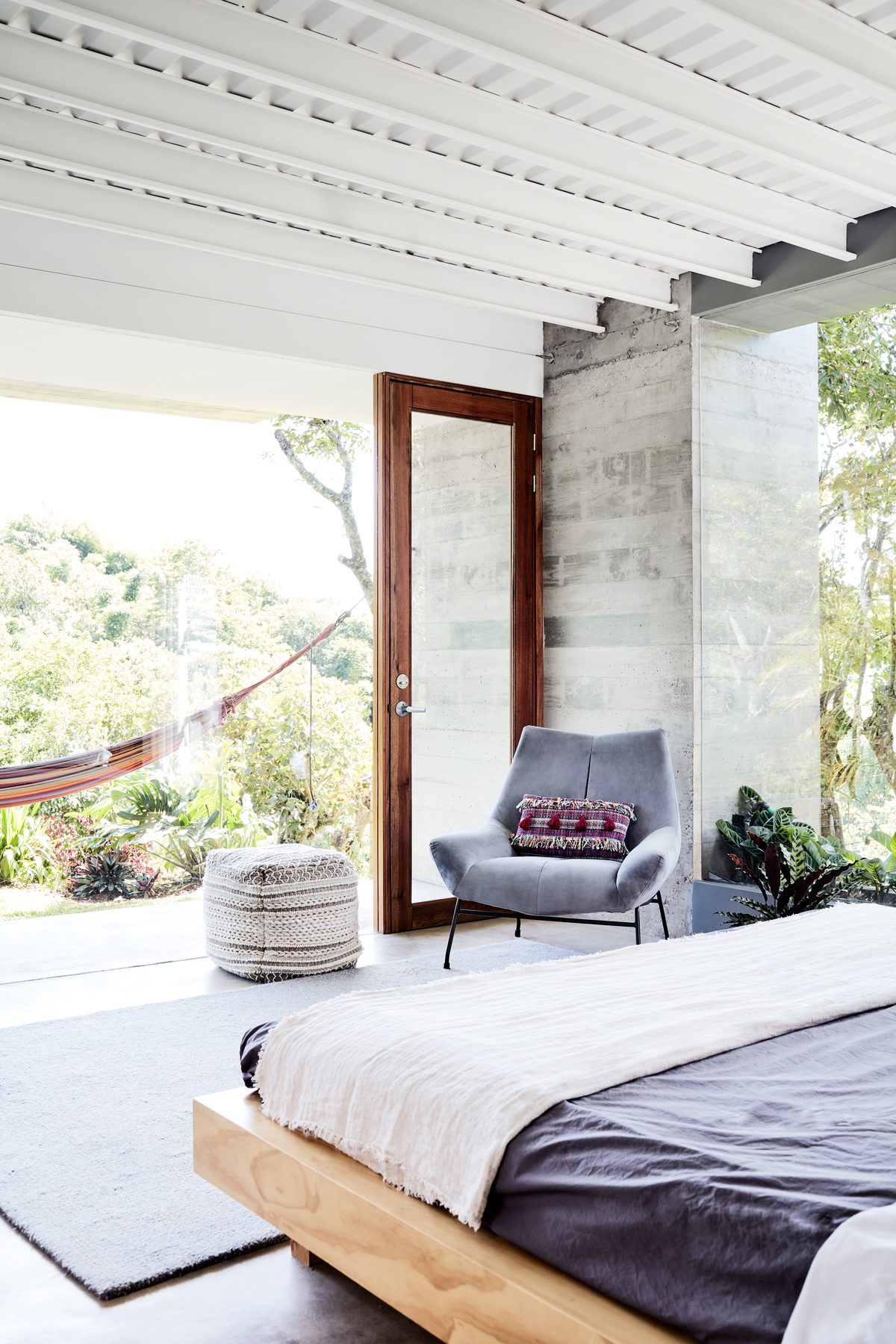
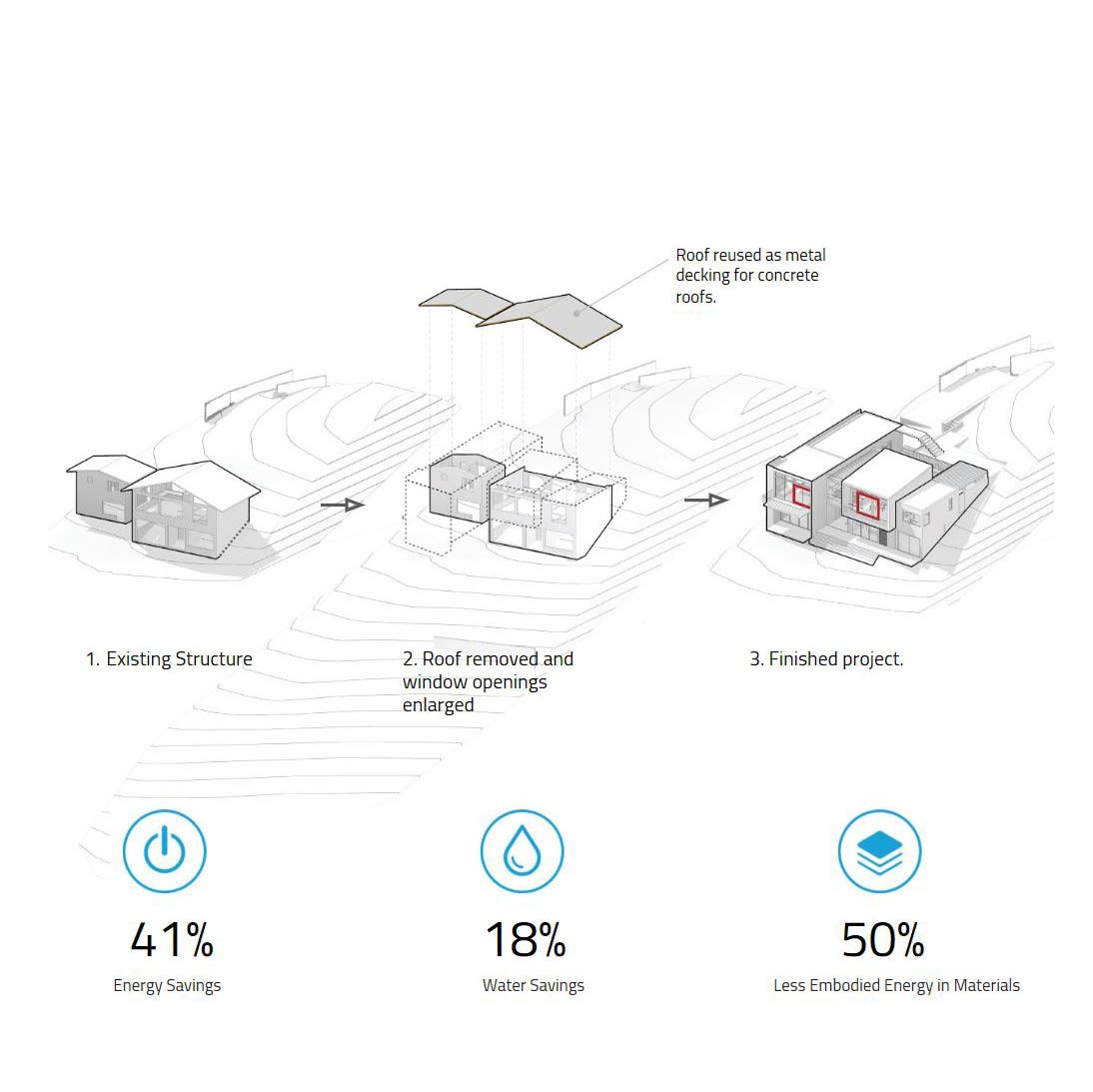
Casa Nonosi is Richard and Daniela Hammond's own home, and the project that in many ways defined what Inverse Project would become. They found the site on a morning jog through the hills of Escazú, spotting a 'Se Vende' sign on a 2,000m² property with two incomplete concrete structures that had stood vacant for a decade. Rather than demolish and start over, they worked with the existing frame — stripping it back, enlarging openings, and building new architecture around the old bones. The strategy prevented an estimated 1,200 tonnes of CO₂ from entering the atmosphere. The steel roof of the original building was removed and repurposed as metal decking for the new concrete floors and roof slabs. Before designing anything, the family spent a year visiting the site — picnicking, observing the light, and learning the views.
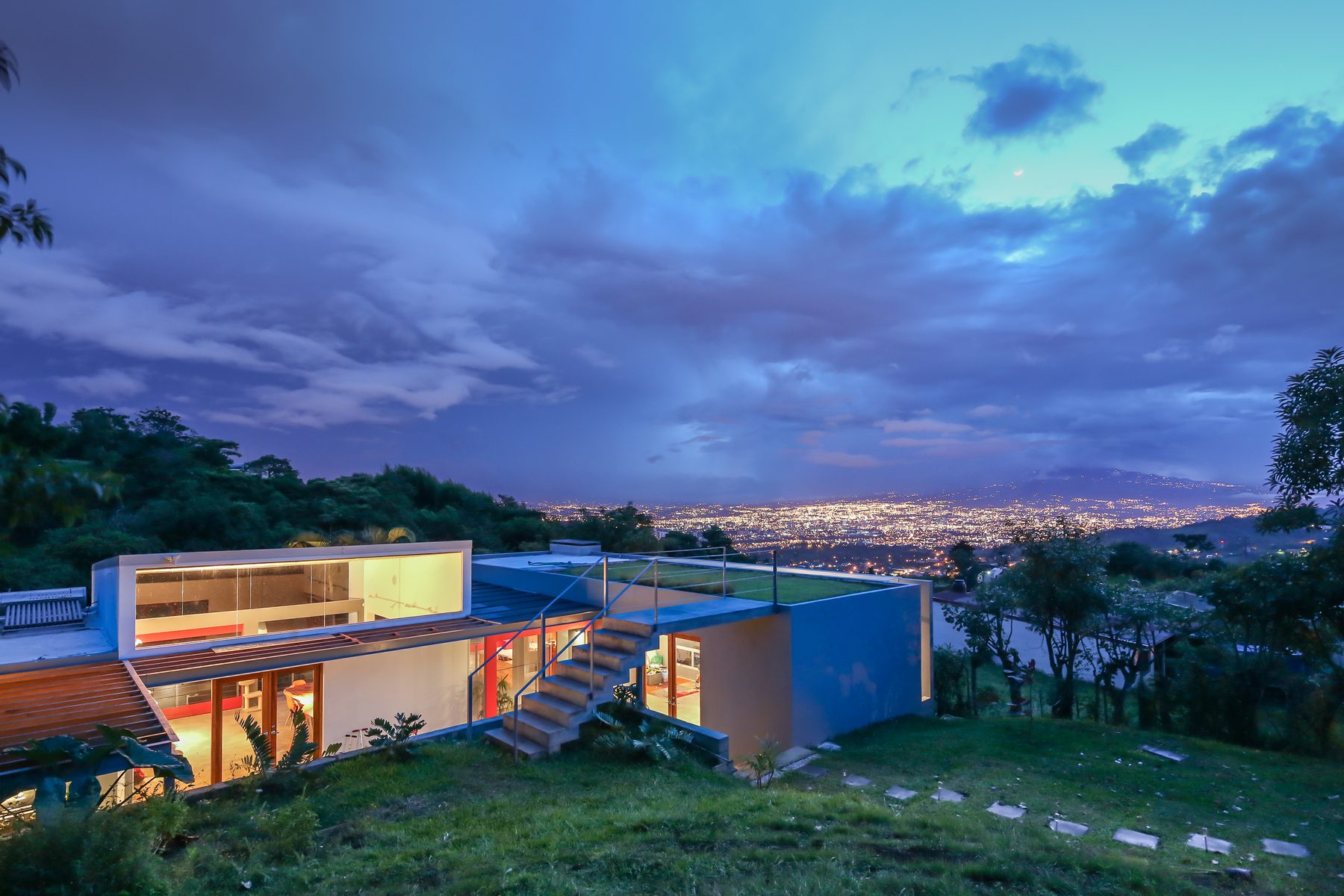
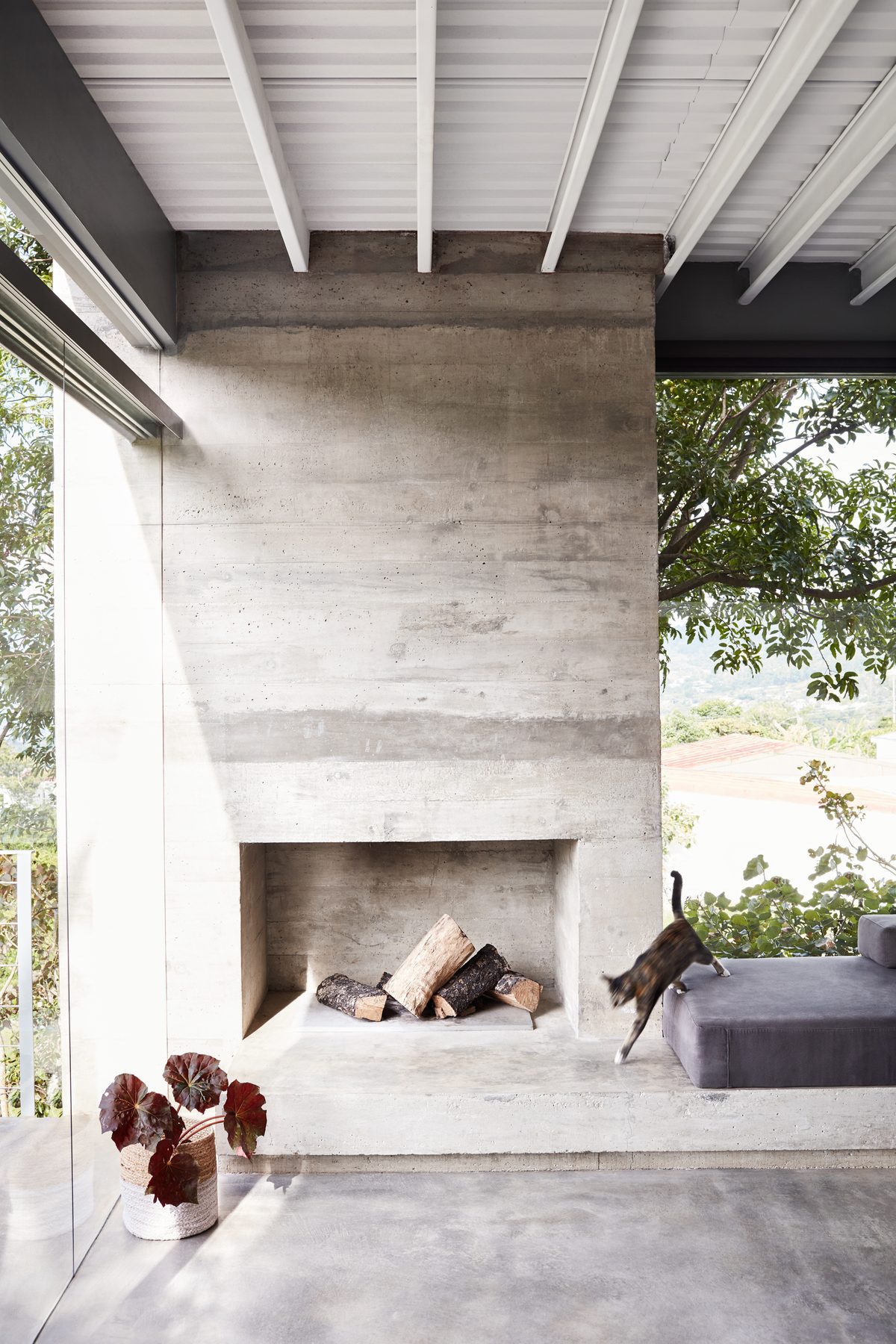
The property faces due east from a steep hillside that drops to a river below, with views across the dormant Irazú volcano. On clear mornings, a plume of volcanic ash is visible on the horizon. The city of San José spreads across the valley floor and despite the hillside's secluded feel, the property is fifteen minutes from work and schools. At around 1,370 metres above sea level, the climate is mild year-round with no need for heating or cooling — a fireplace handles the cooler evenings of December through March.
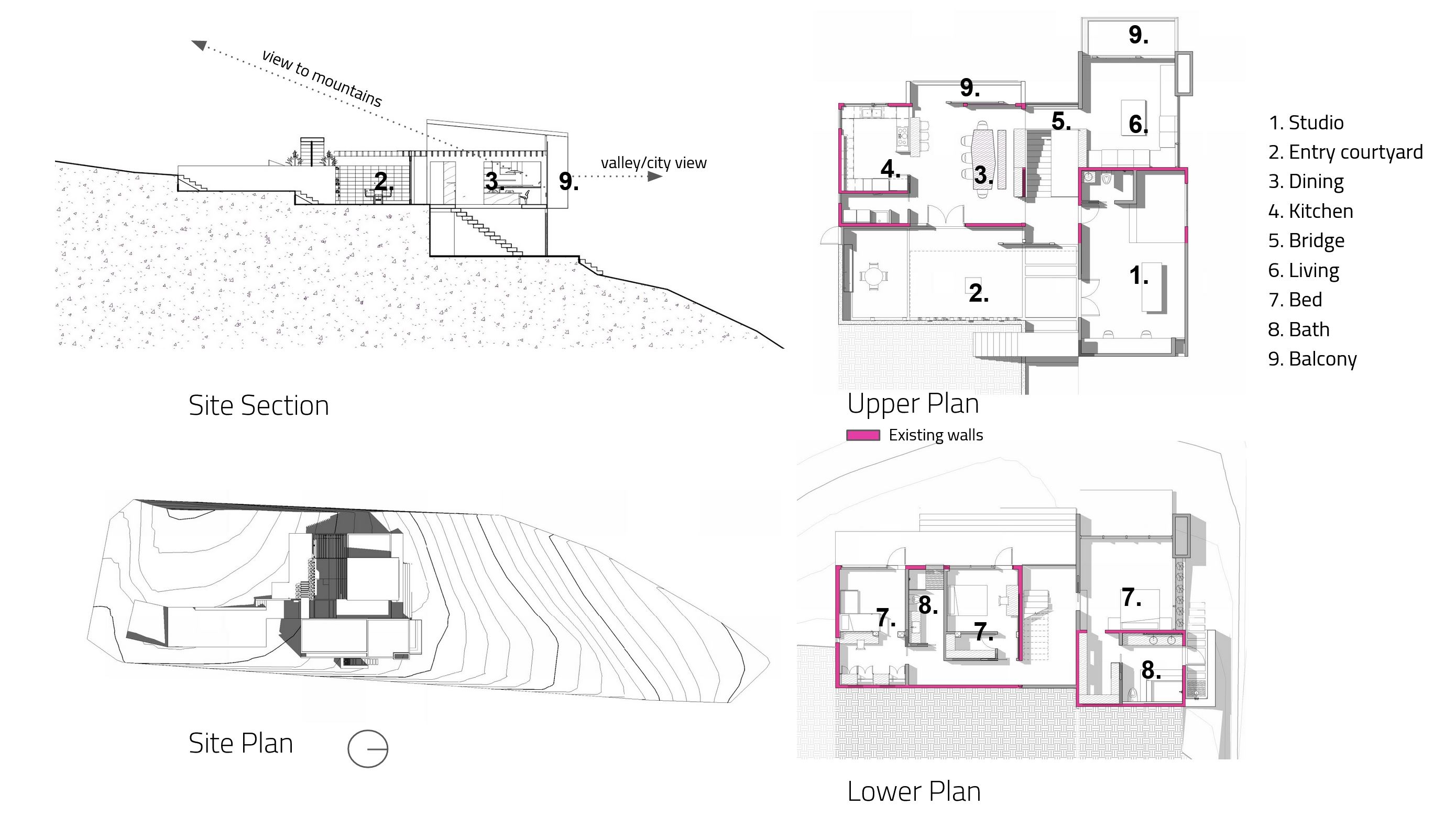
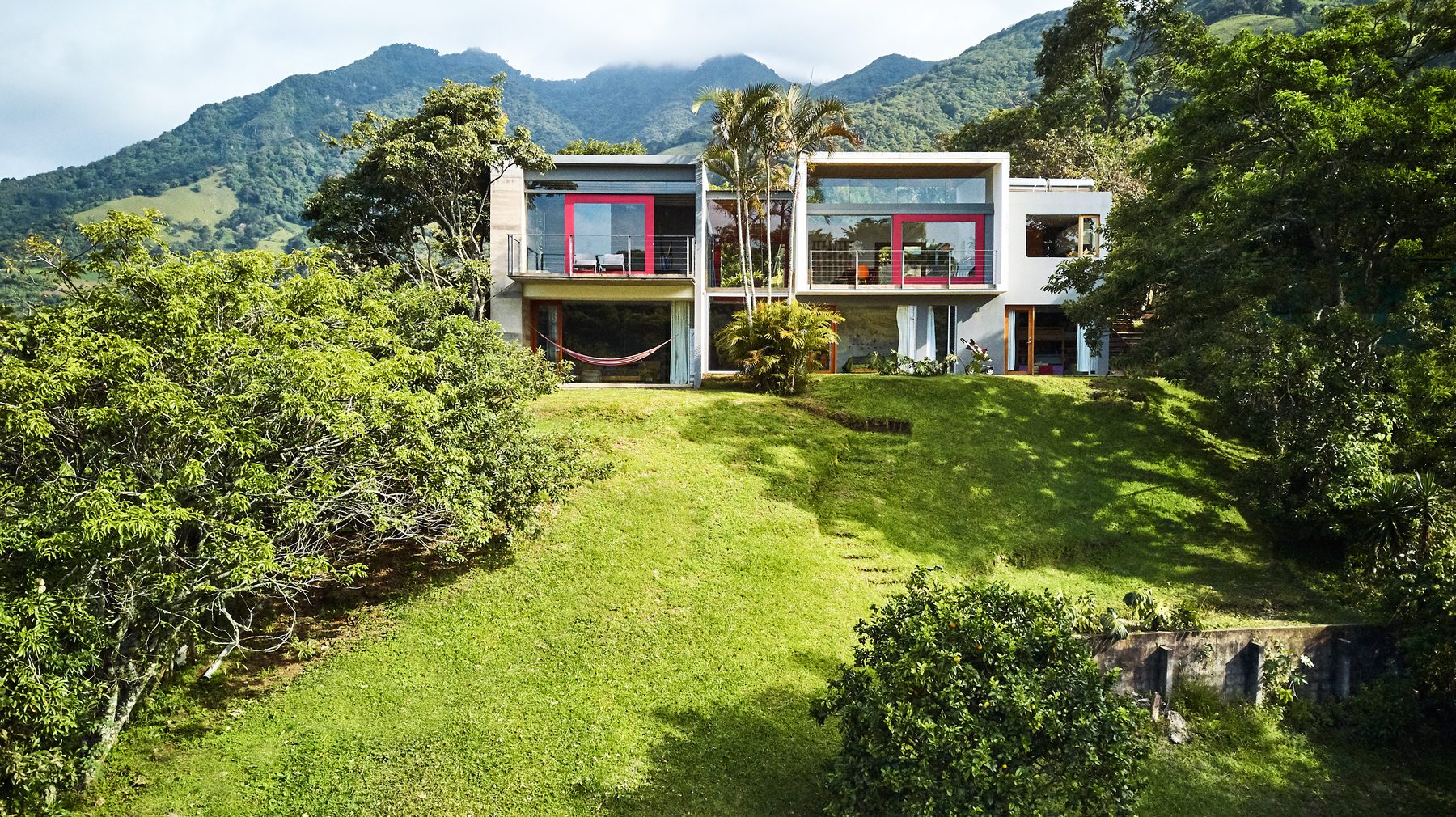
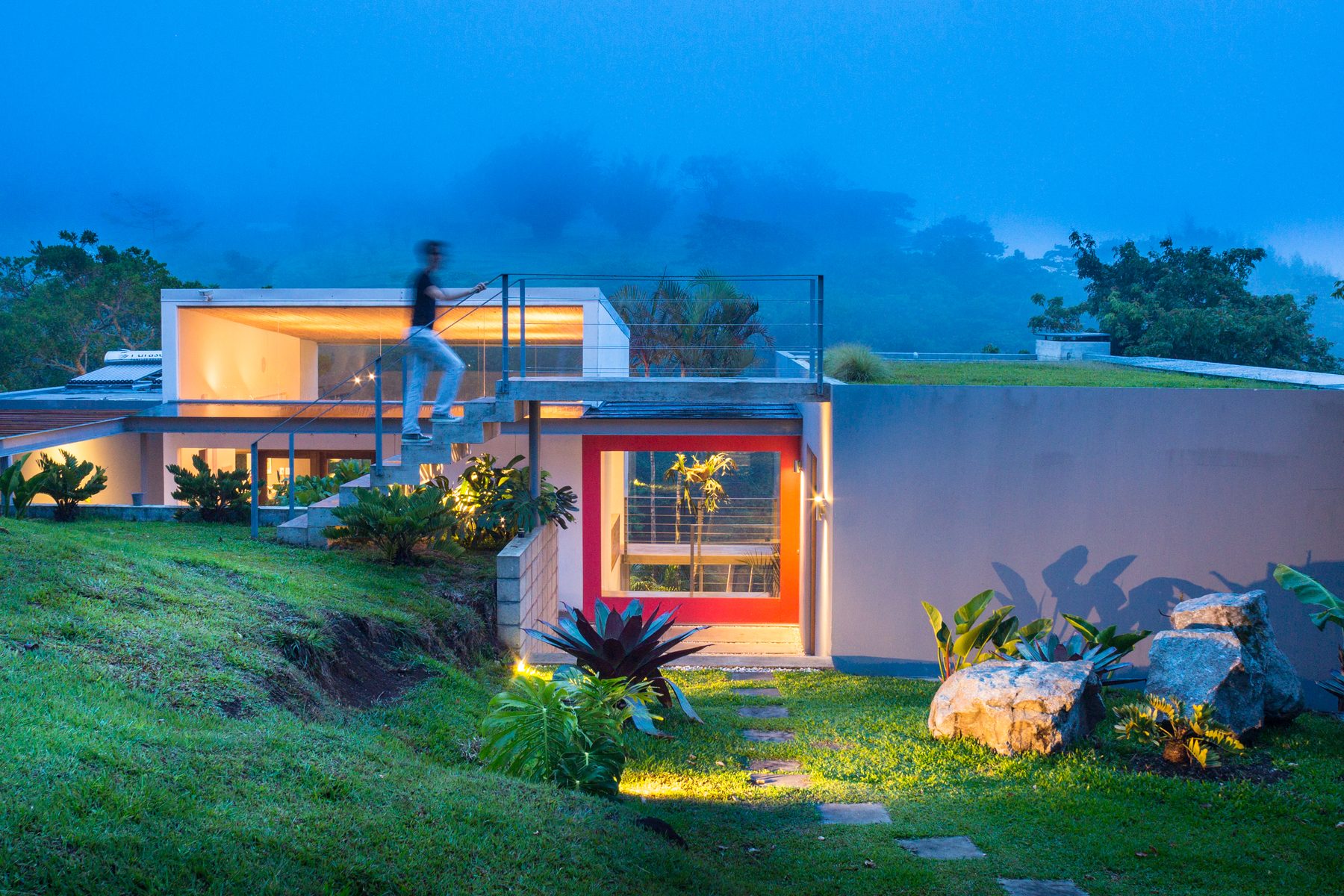
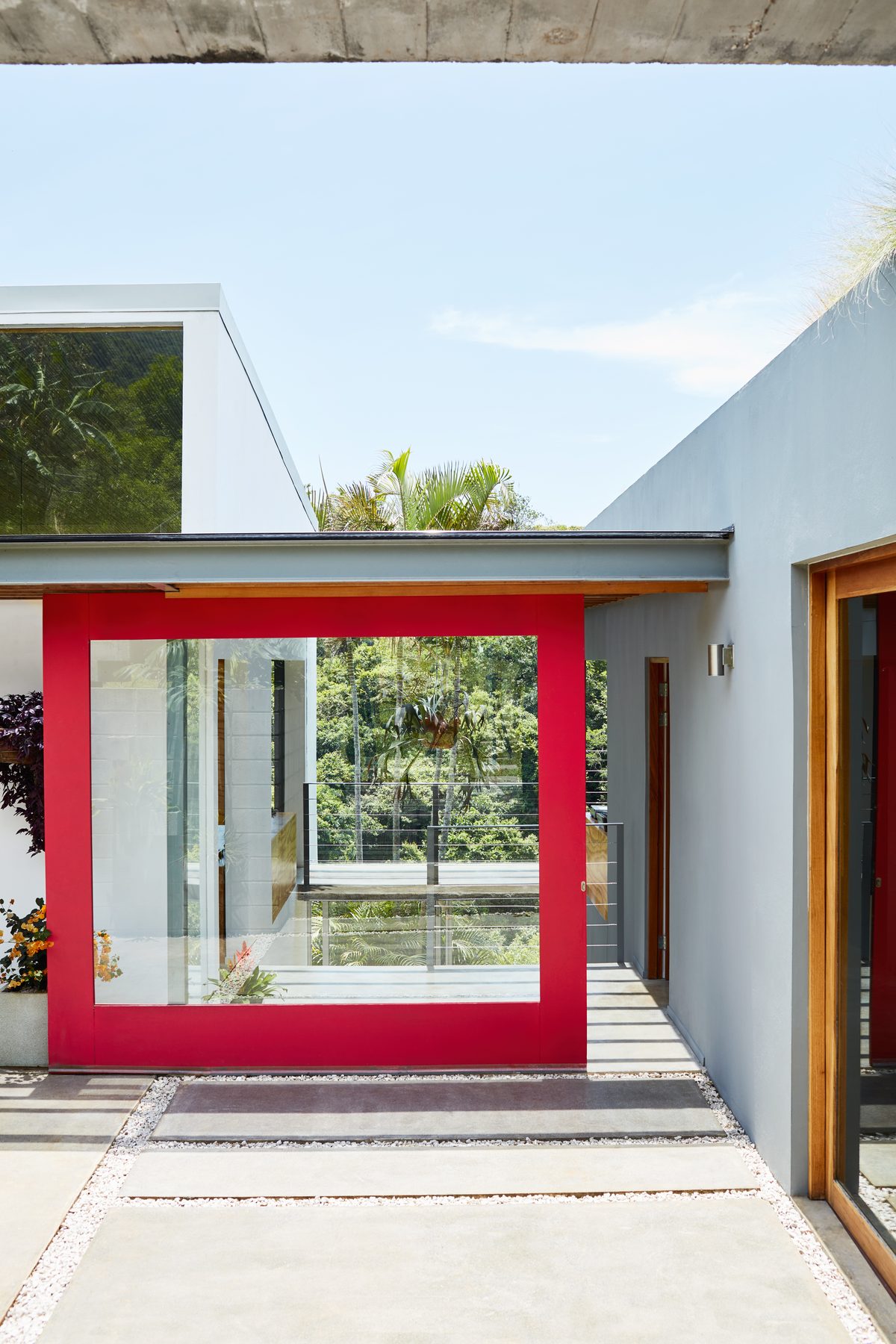
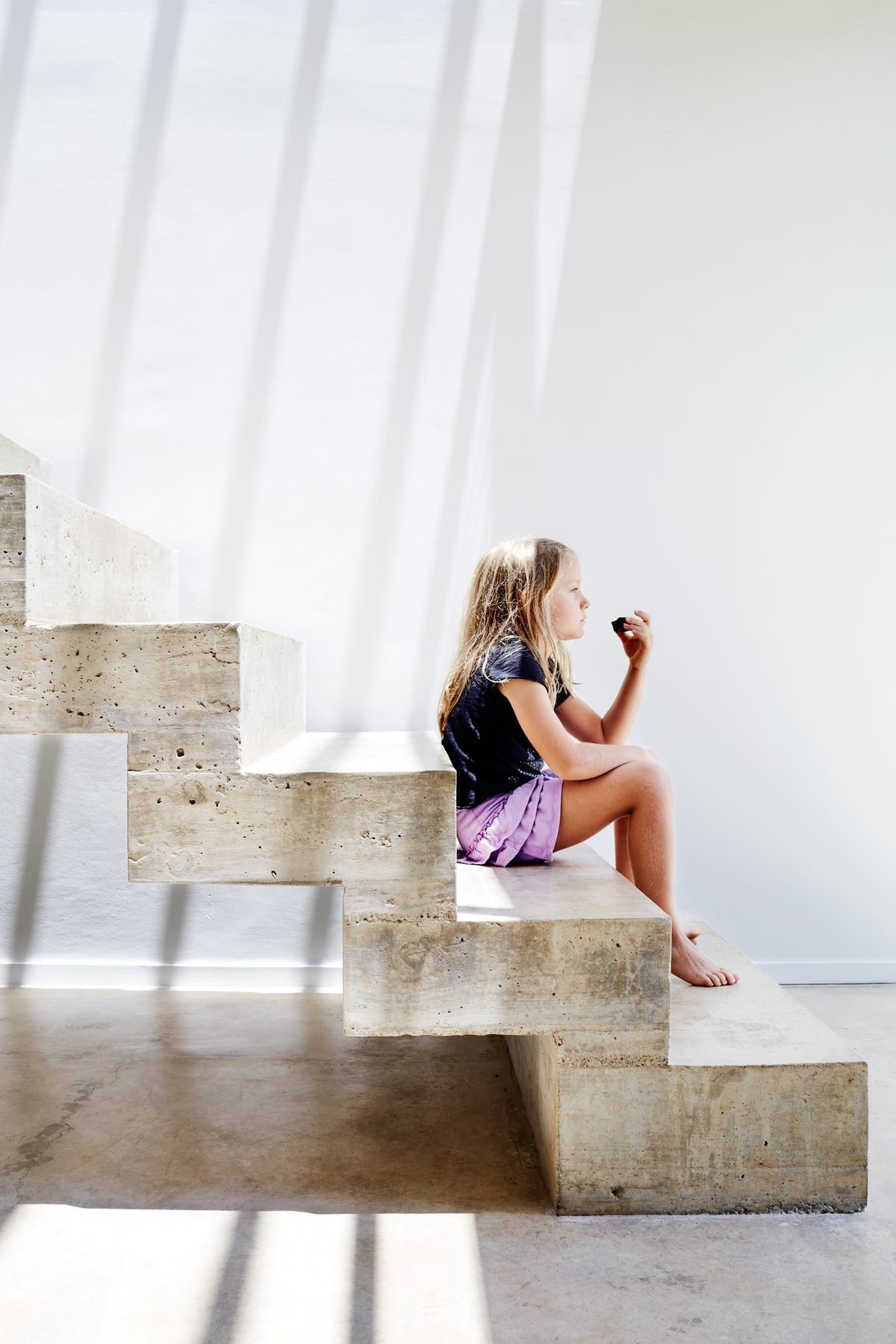
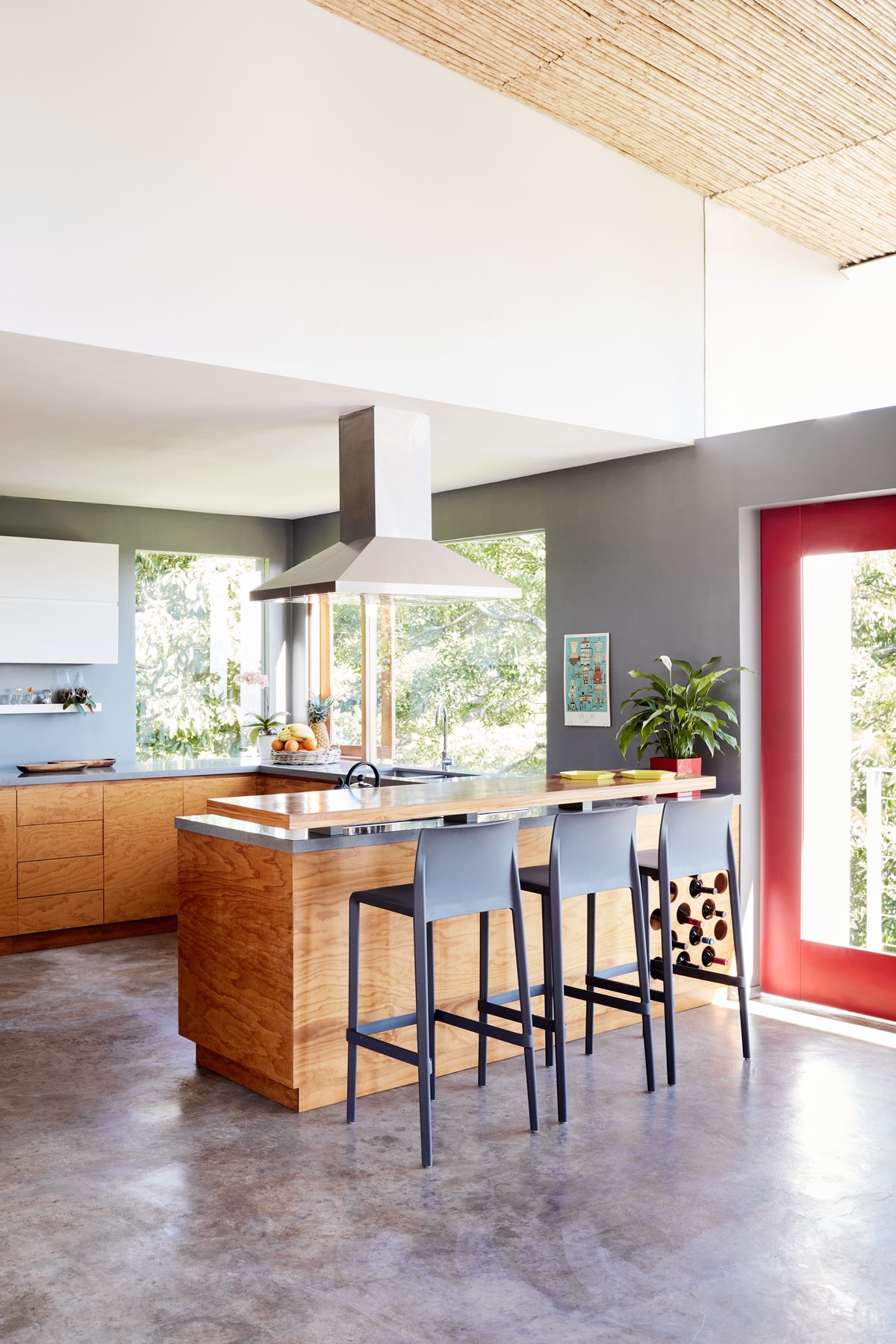
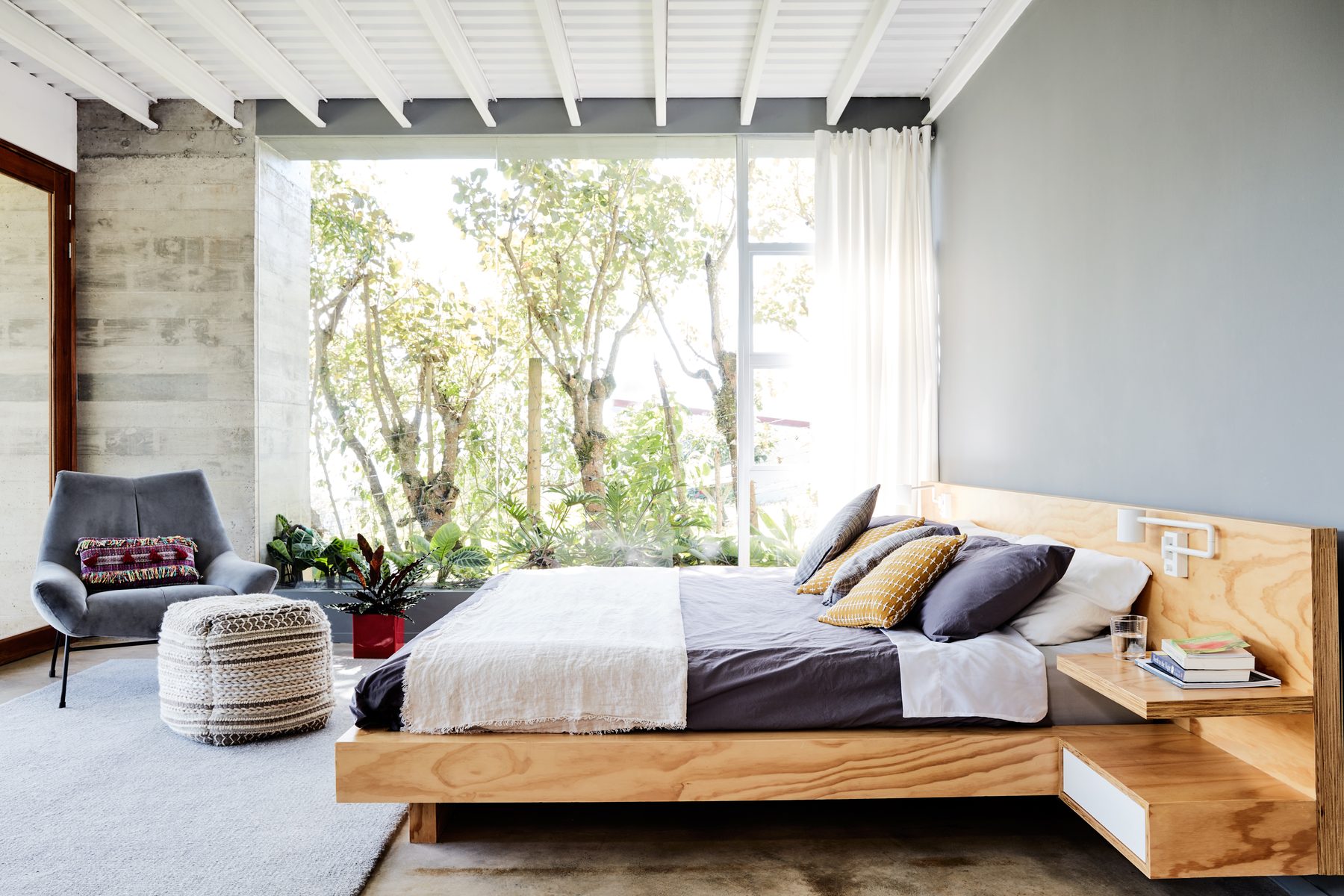
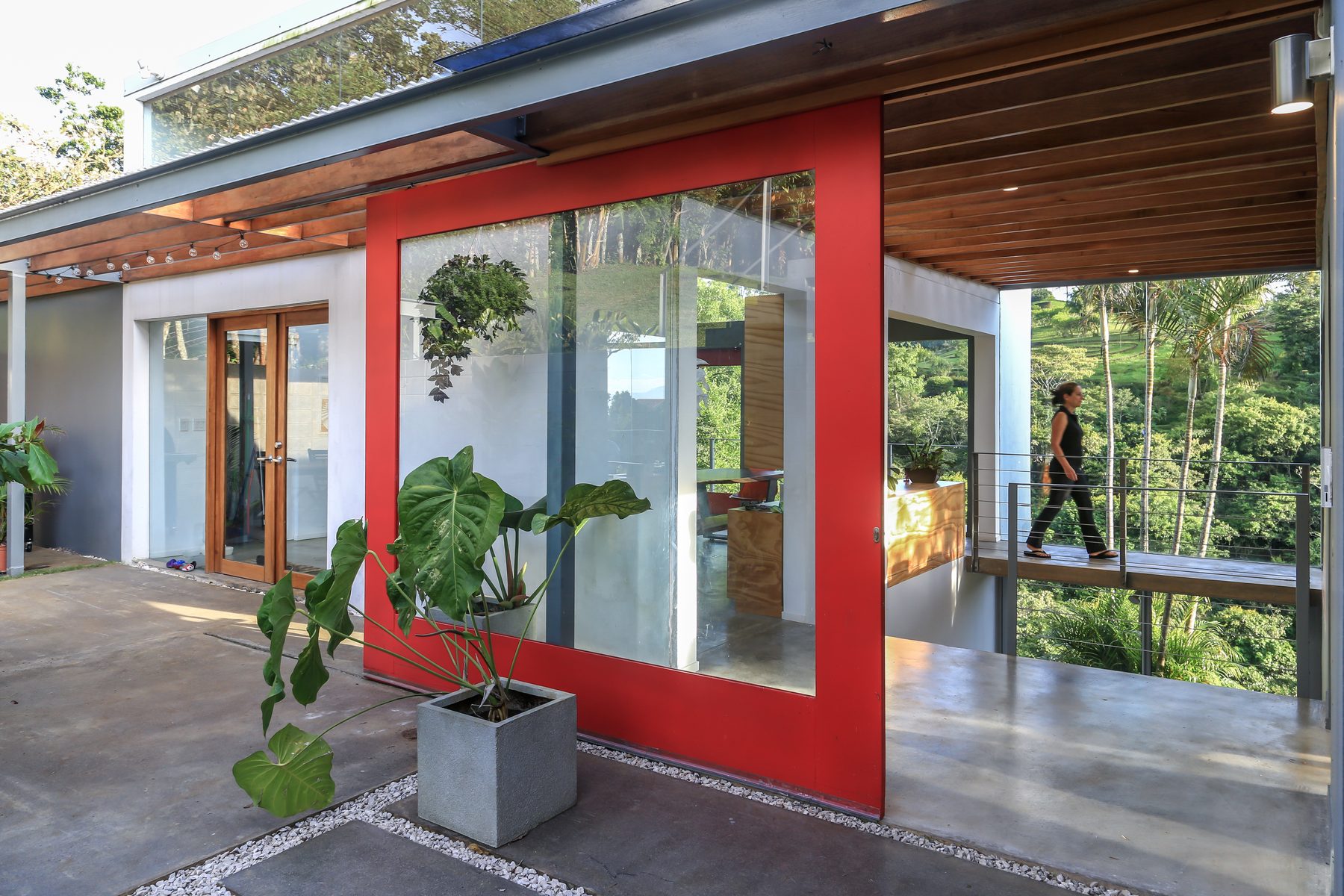
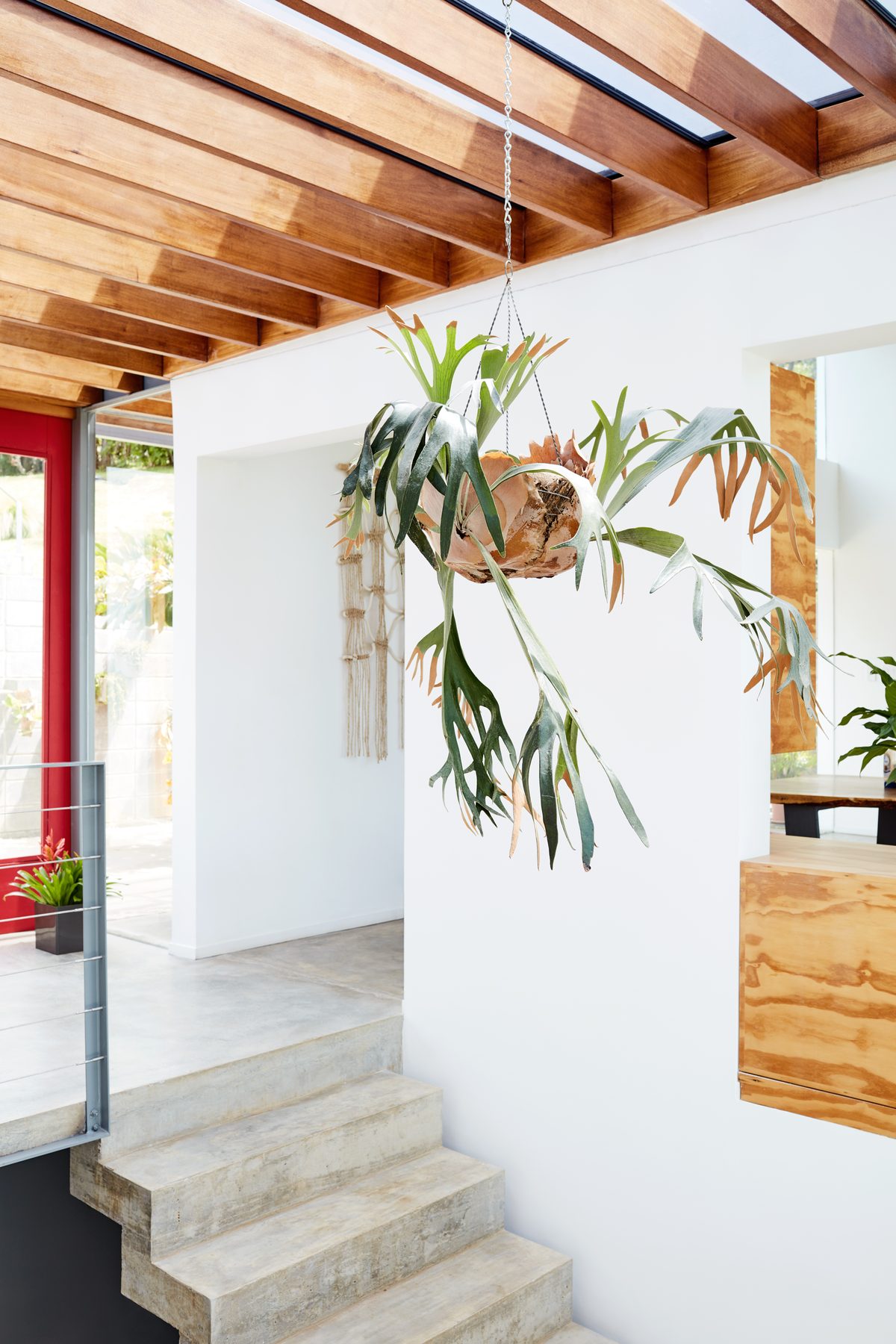
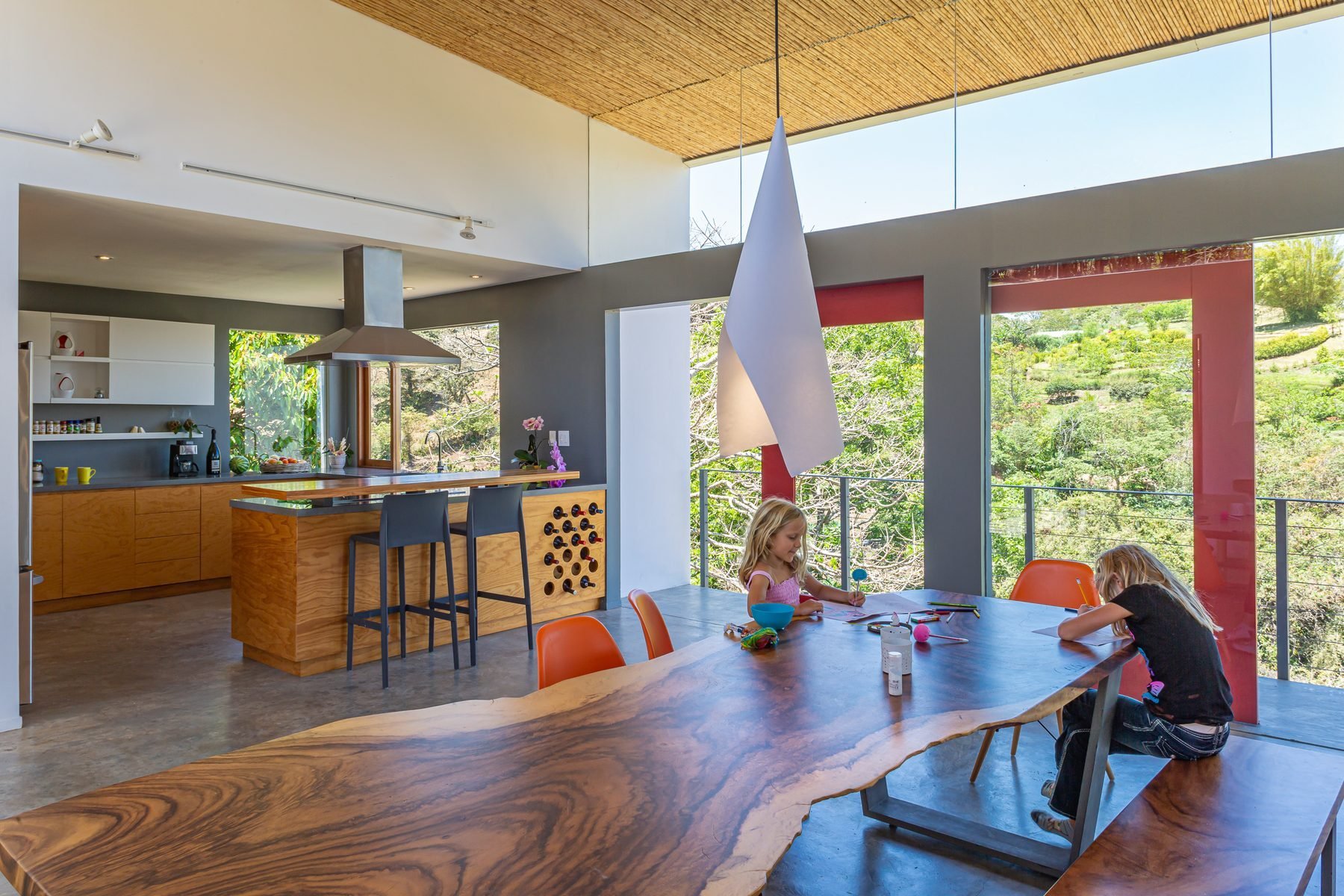
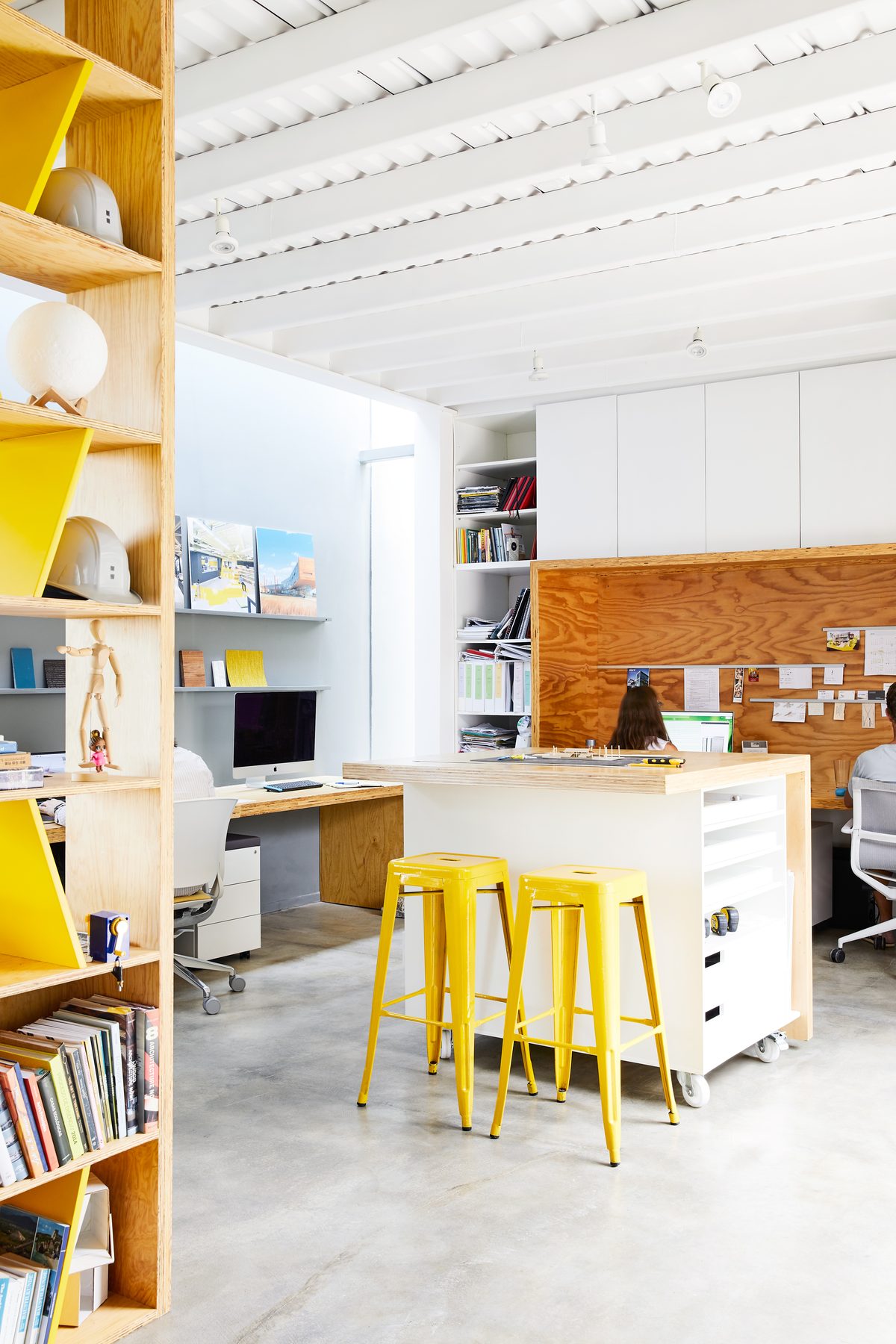
The two volumes are connected by a glass-roofed bridge containing the main staircase. Living spaces occupy the upper entry level and the three bedrooms sit on the lower garden level, each opening directly to the landscape. A courtyard cut into the hillside at the entry provides shelter from the wind and serves both the main house and an adjacent studio with its own entrance and a living green roof that stabilises the internal temperature and doubles as a flat terrace for stargazing. The kitchen and dining space are defined by a Caña Brava ceiling sloping toward the nearby peak of Pico Blanco, whose silhouette is framed by a large glass clerestory above. A three-metre dining table cut from a single fallen Guanacaste tree sits beneath it. The bridge leads to the living room, where a board-formed concrete fireplace and built-in L-shaped sofa anchor the space, and a two-metre cantilevered balcony opens to views over the city and valley. The three main entries are large sliding panels with red frames — picture frames for the views outside, always composing a different image as the panels move.
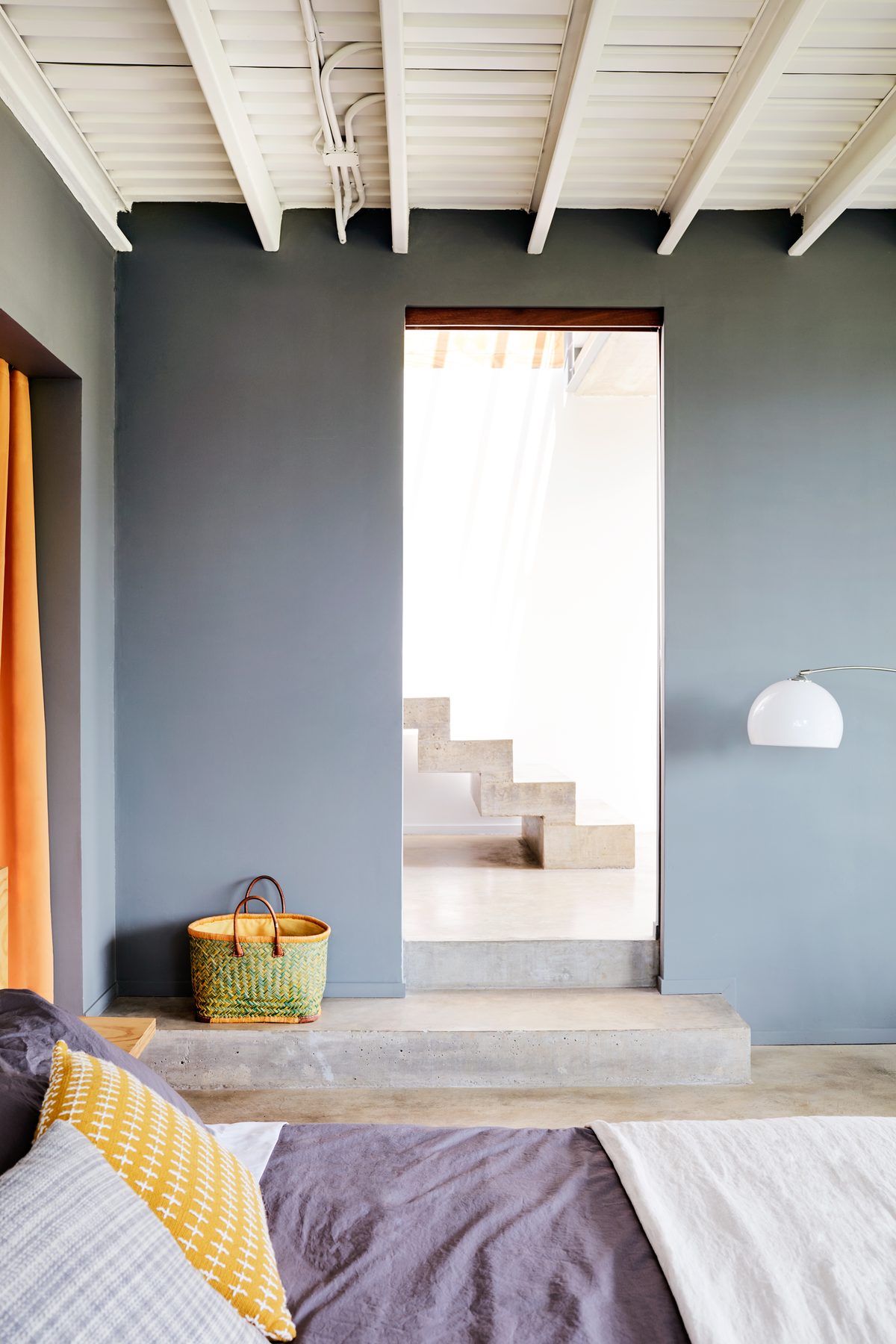
Sustainability shaped every decision. All lighting is LED, hot water comes from roof-mounted vacuum tube solar collectors, and cross-ventilation through the sliding panels makes air conditioning unnecessary. Costa Rica generates around 90% of its electricity from renewable sources and the house is designed to draw lightly on even that clean grid. Roll shades on east-facing windows are made from recycled ocean plastic. Floors throughout are hand-trowelled concrete and cabinetry is finished plywood, a deliberate nod to the designers' years working in Los Angeles. All timber is local Caobilla, used for trellises and door frames. Internal doors are glass-panel pocket doors that let light move freely through the plan. The master bathroom connects to an outdoor shower, open to the sky and the mild hillside climate year-round.