
Residential
Las Catalinas, Guanacaste, Costa Rica
One of Inverse Project's earliest residential commissions — Casa Cinema Paradiso was designed for a couple retiring from the United States to Las Catalinas, a project that helped establish the practice and led directly to many of the projects that followed. Completed 2019.
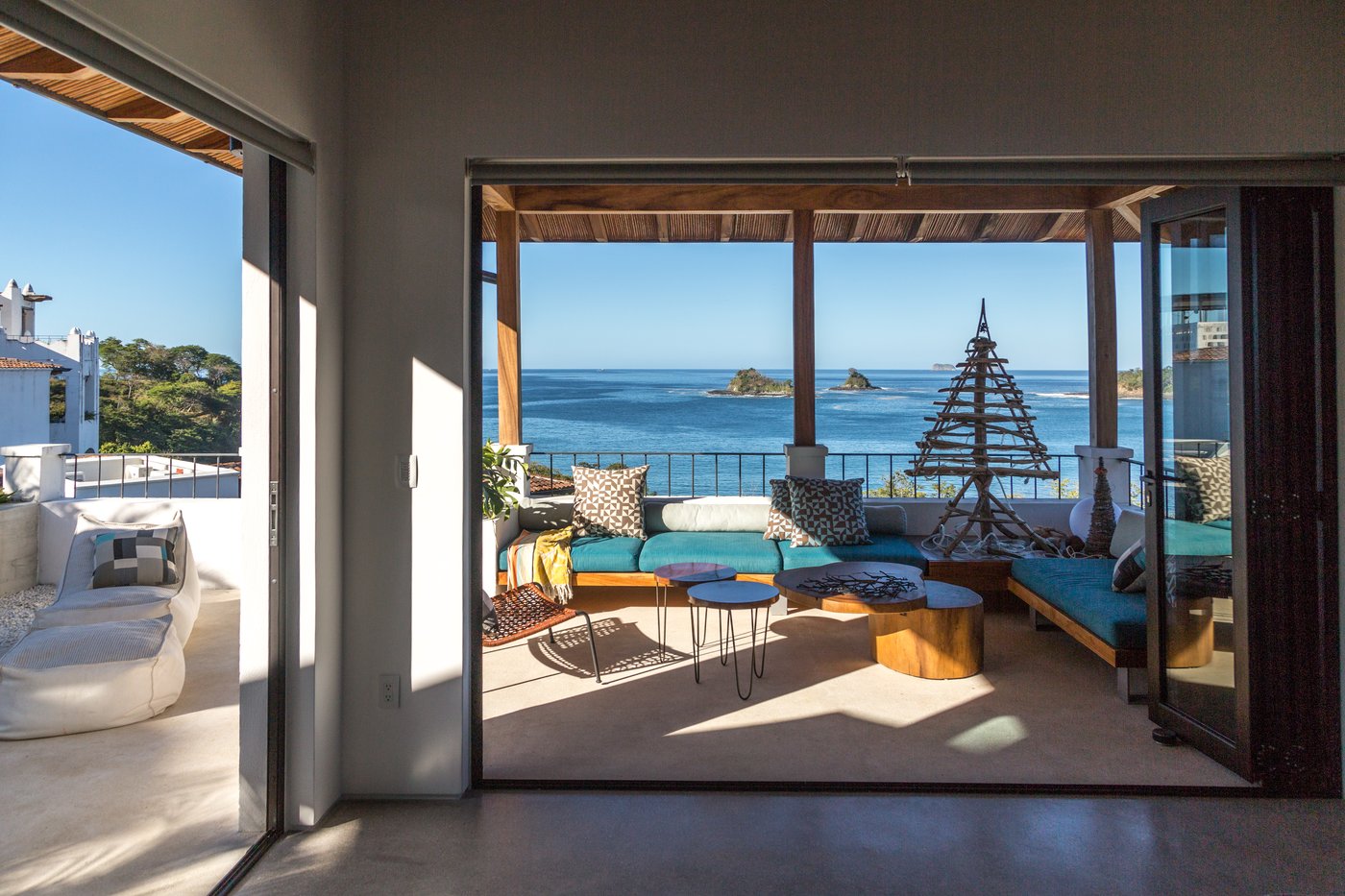
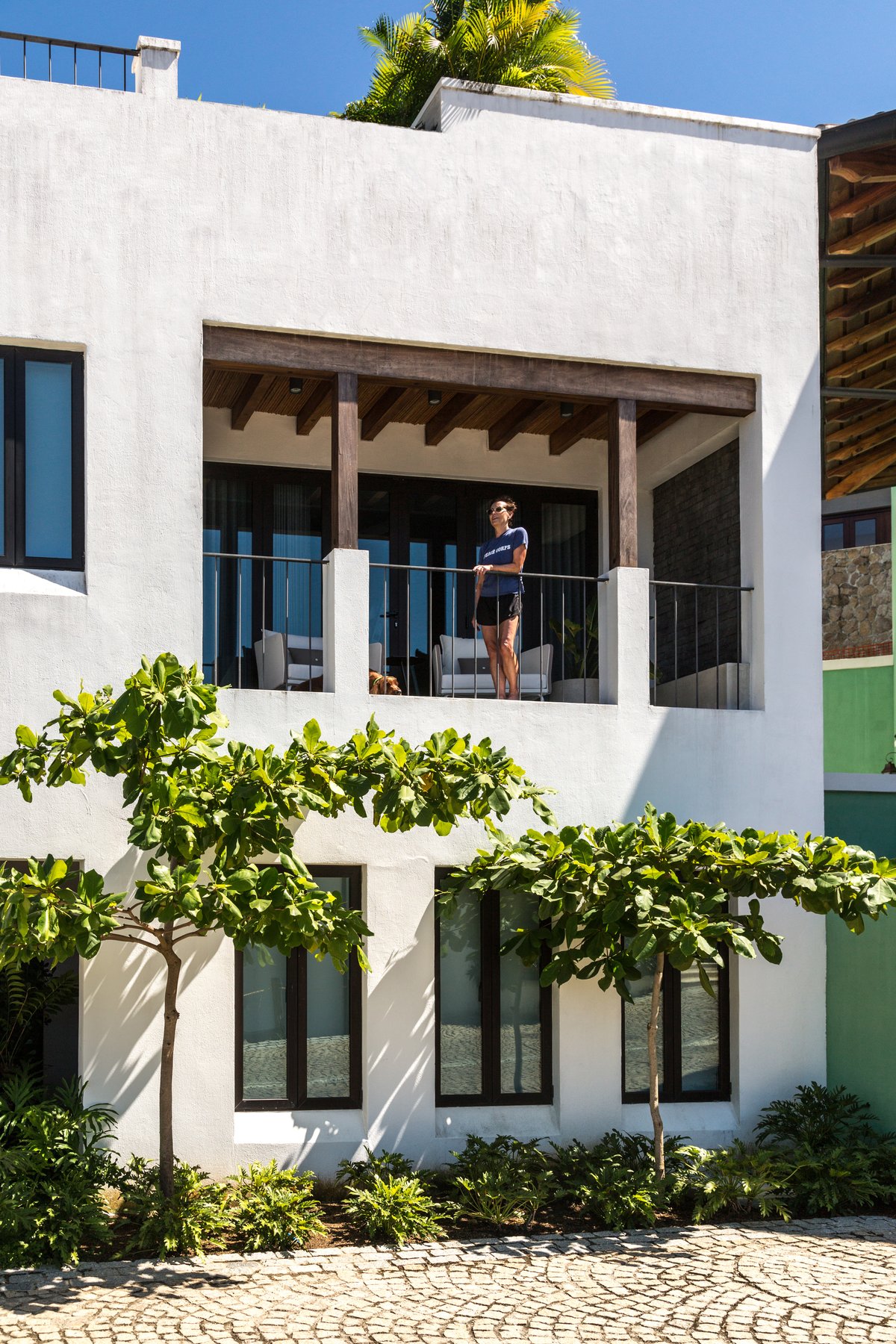
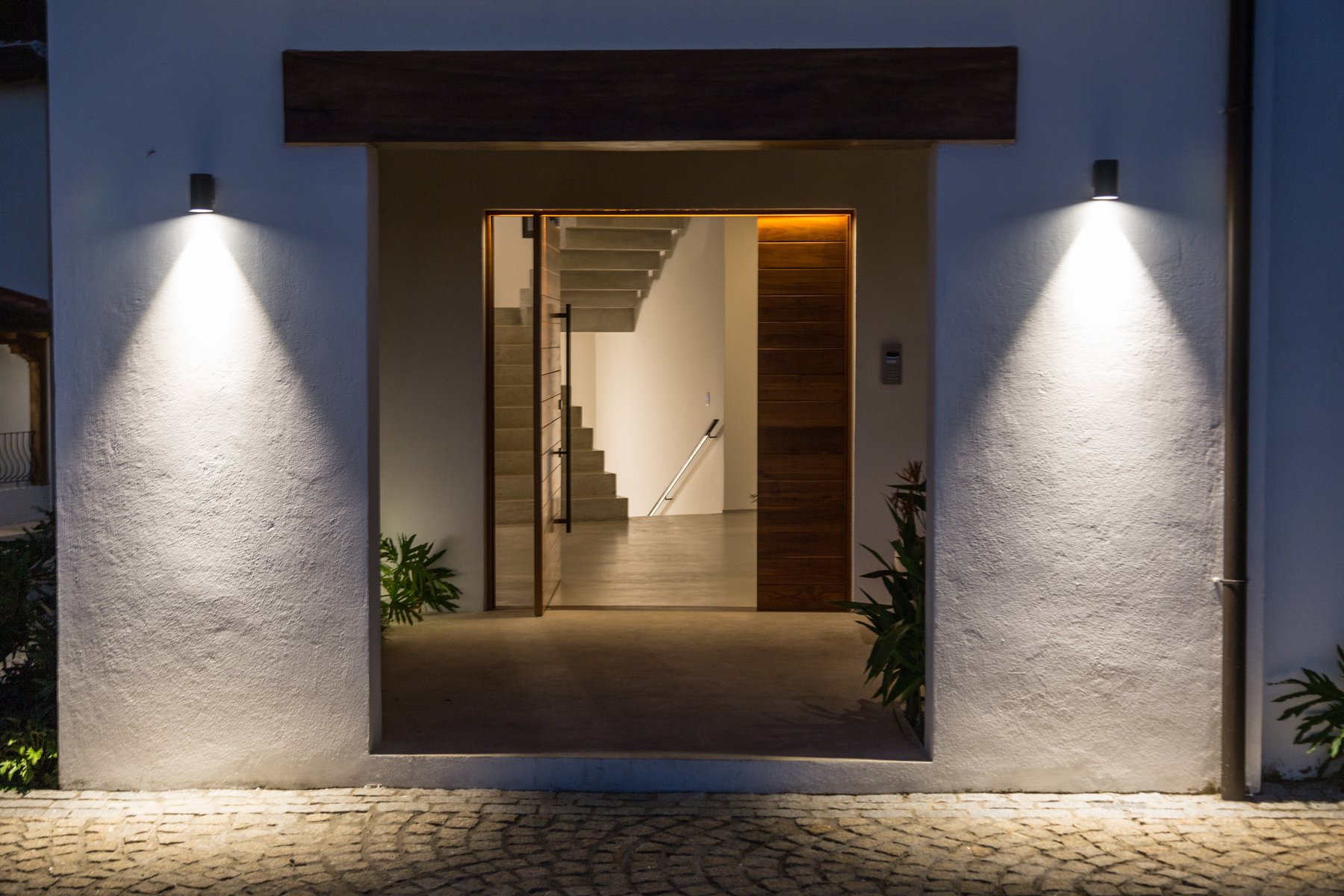
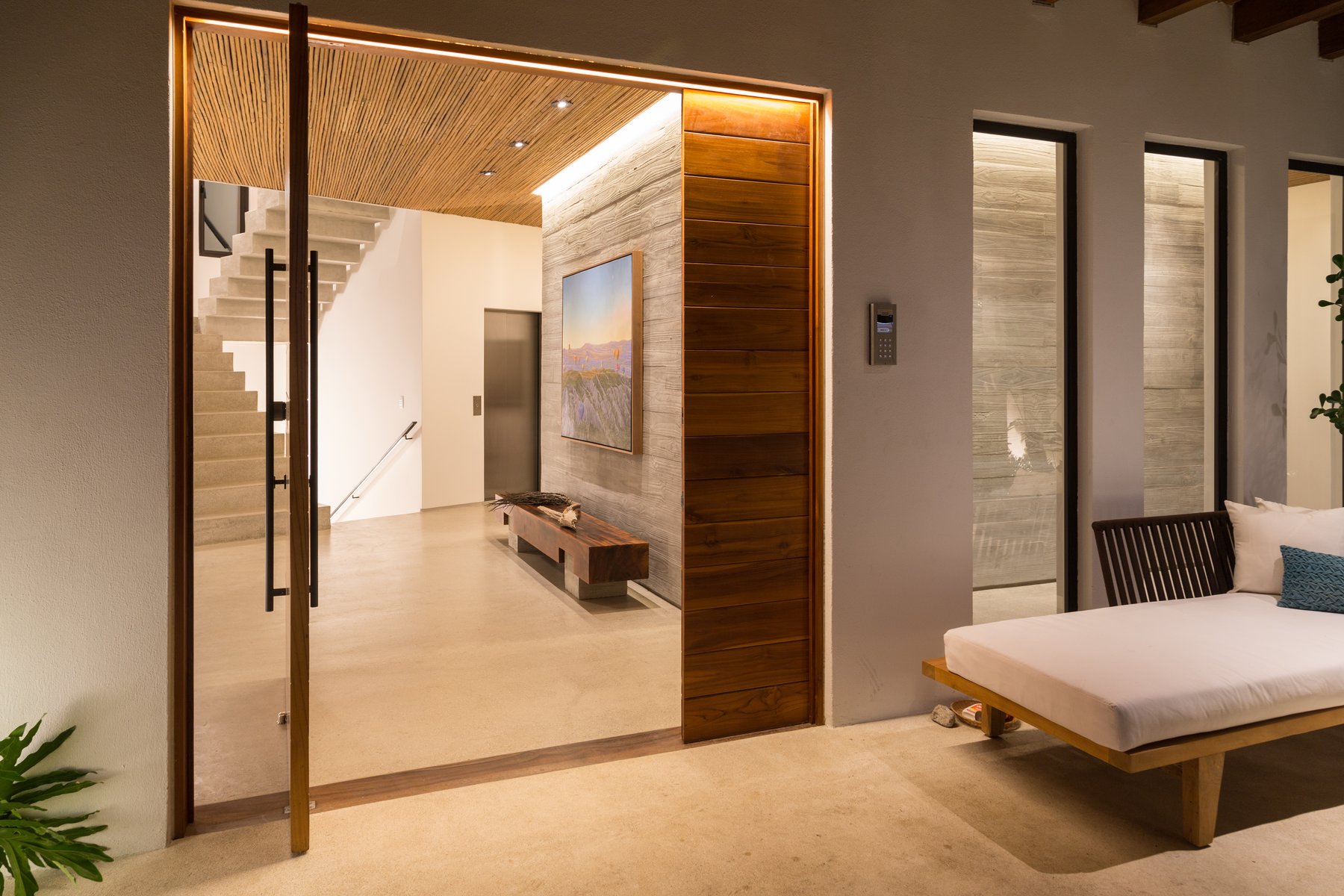
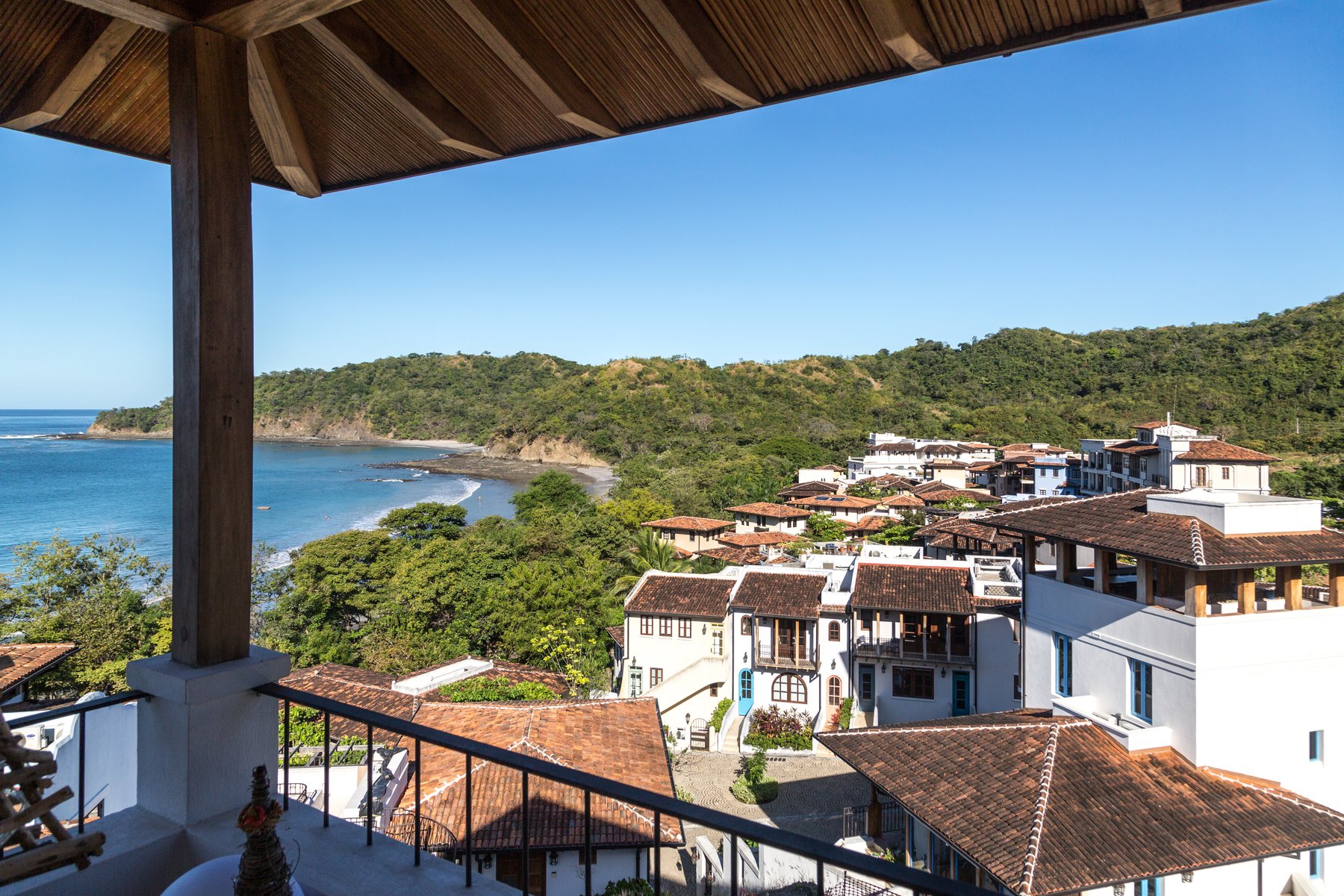
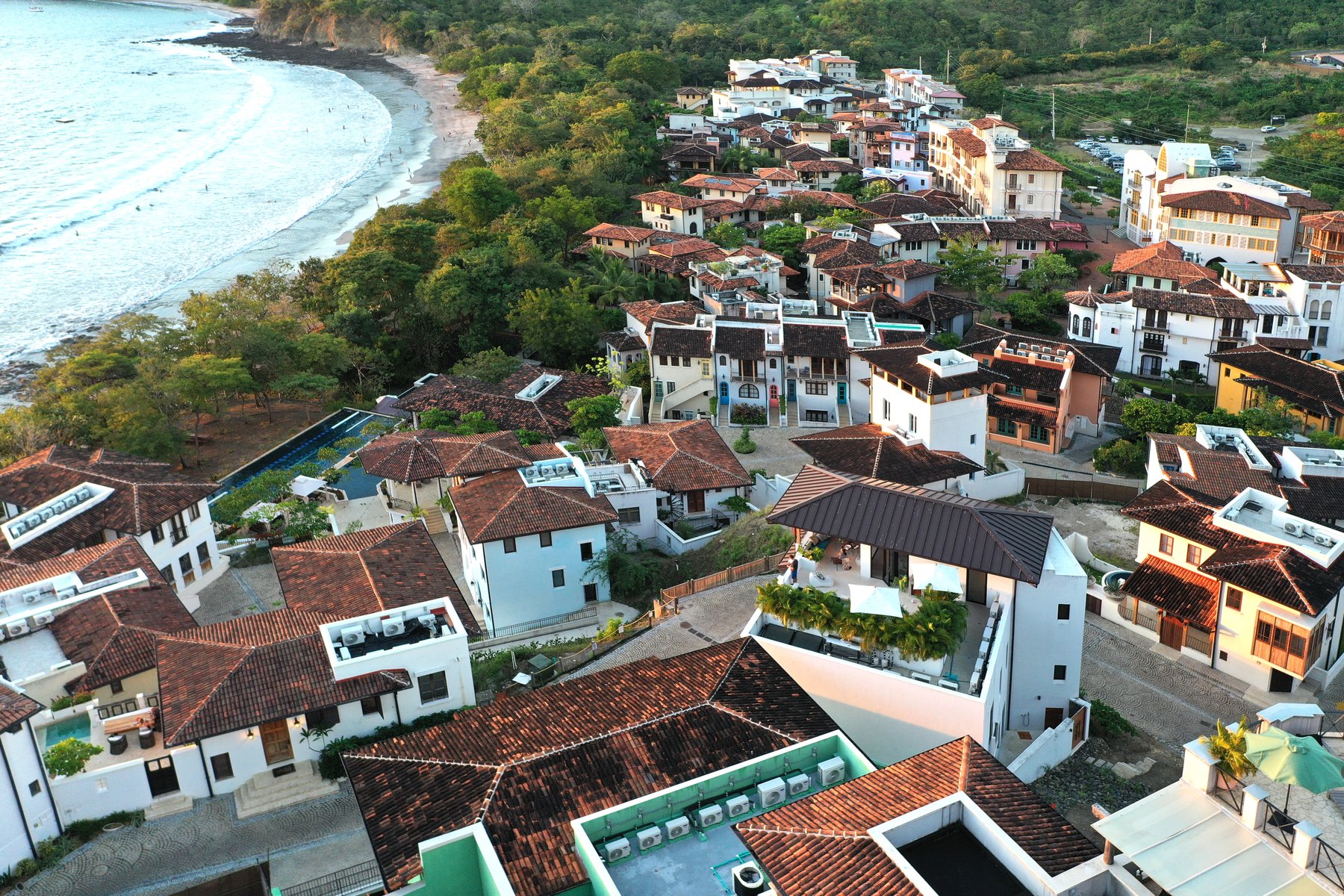
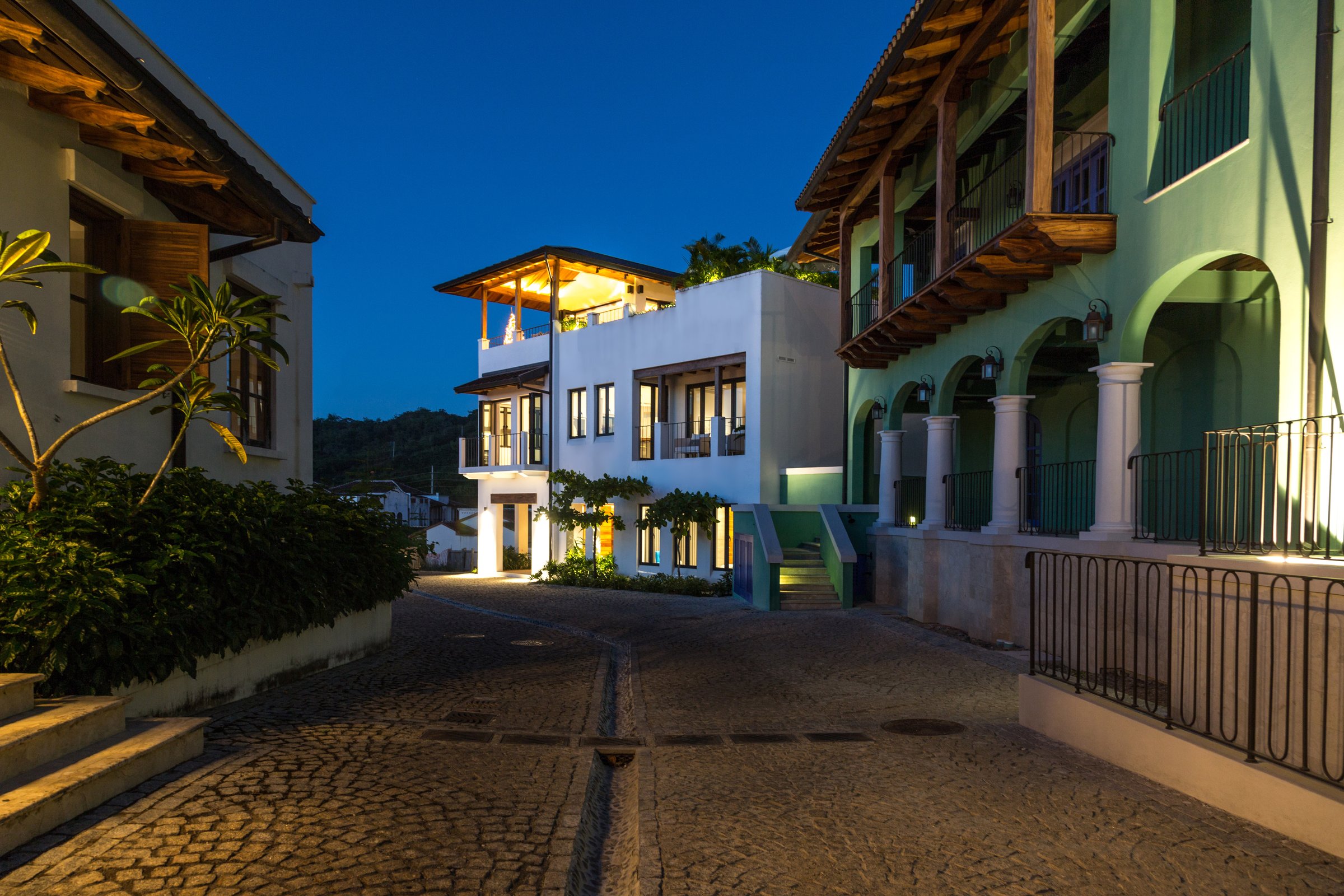
Las Catalinas is a planned New Urbanist beach town on Costa Rica's North Pacific coast. The project occupies a corner lot in the town's second development phase, a position that provides west-facing ocean views and cross-ventilation through the building. The exterior follows the town's strict architectural guidelines: lime-washed stucco, dark-framed windows, and a standing seam metal roof — the first in the development, a permitted but unusual departure from the clay Mexican tiles standard across Las Catalinas. The overall composition reads naturally within the pedestrian streetscape. Through the teak pivot door at the entry, the interior is a different proposition entirely.
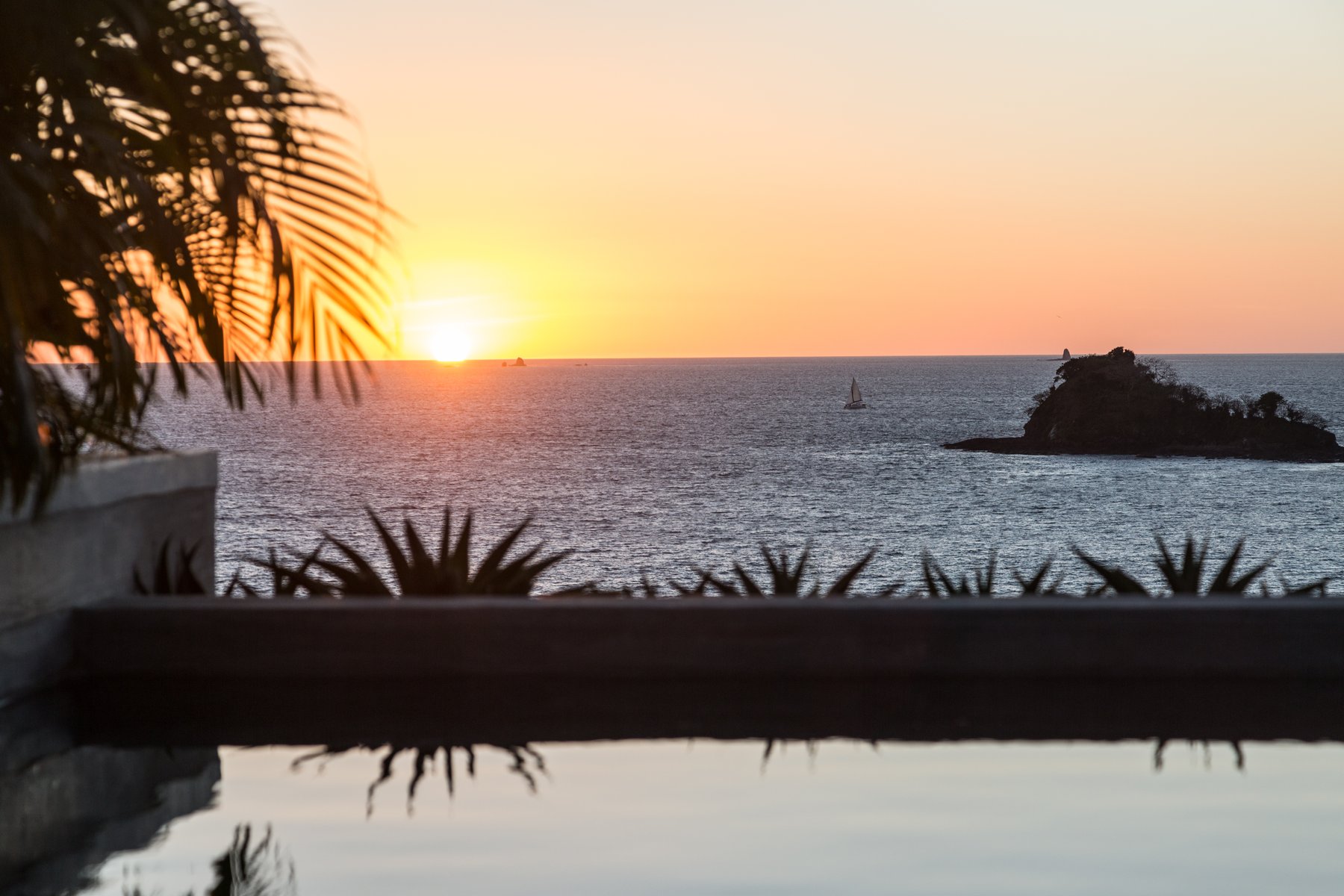
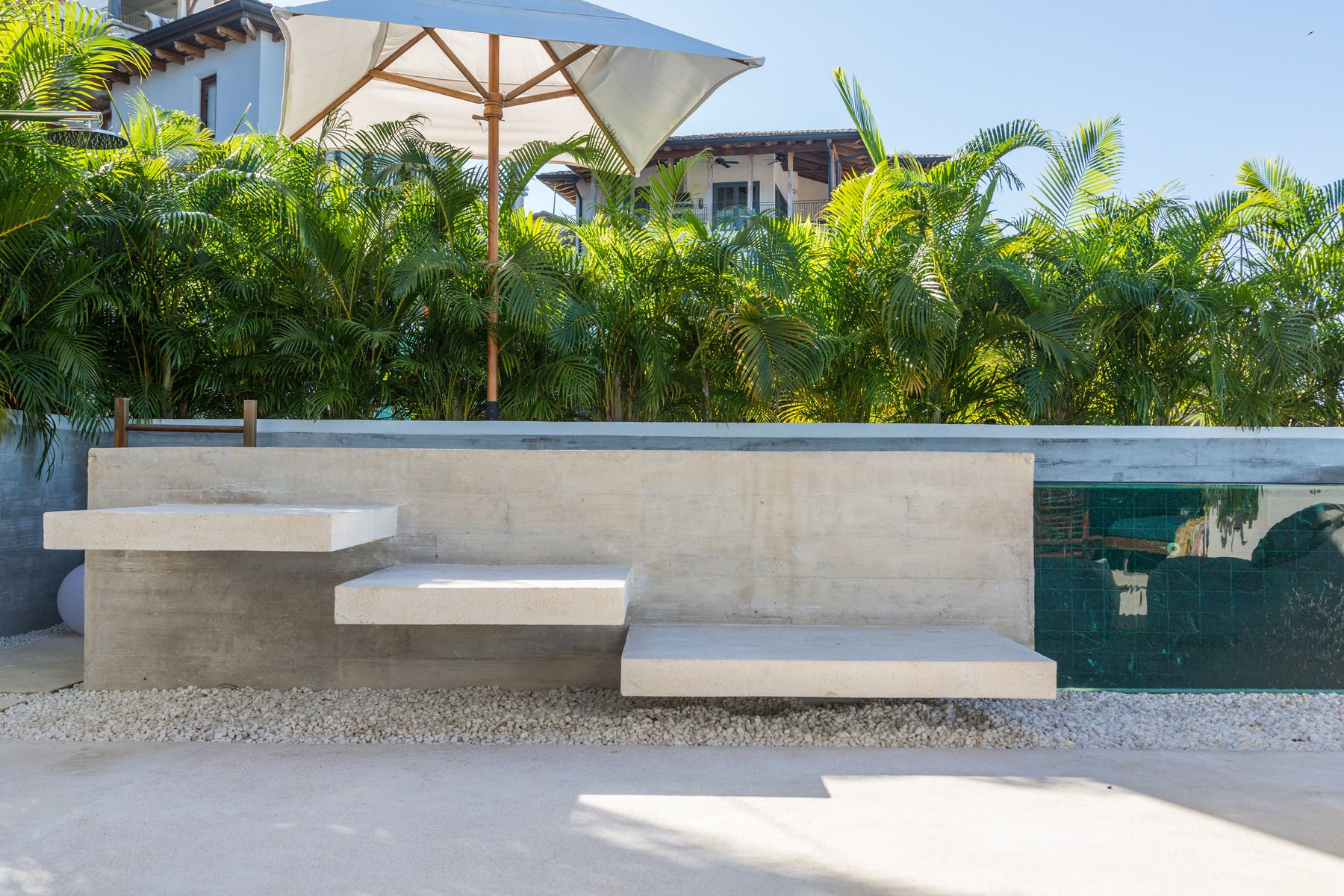
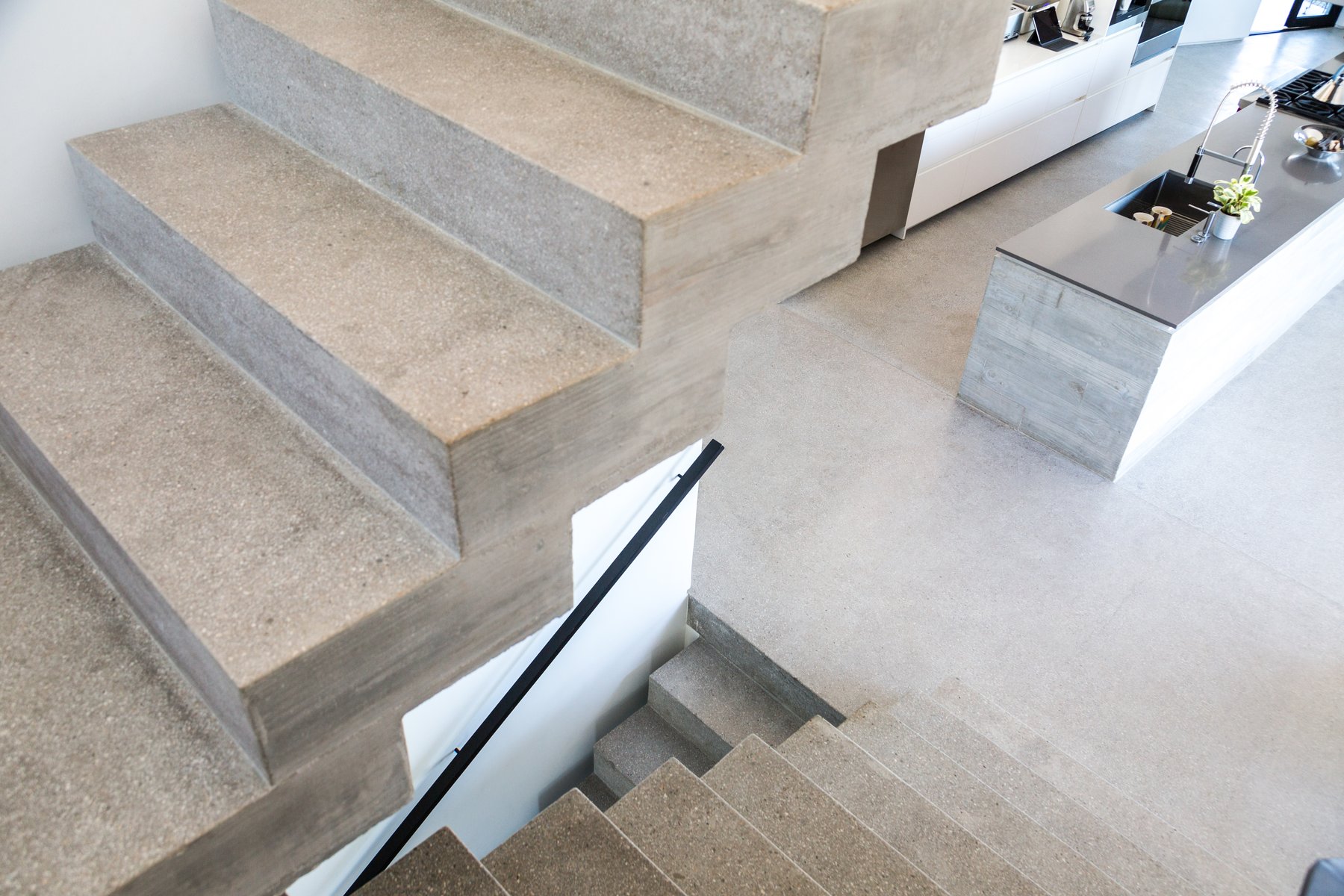
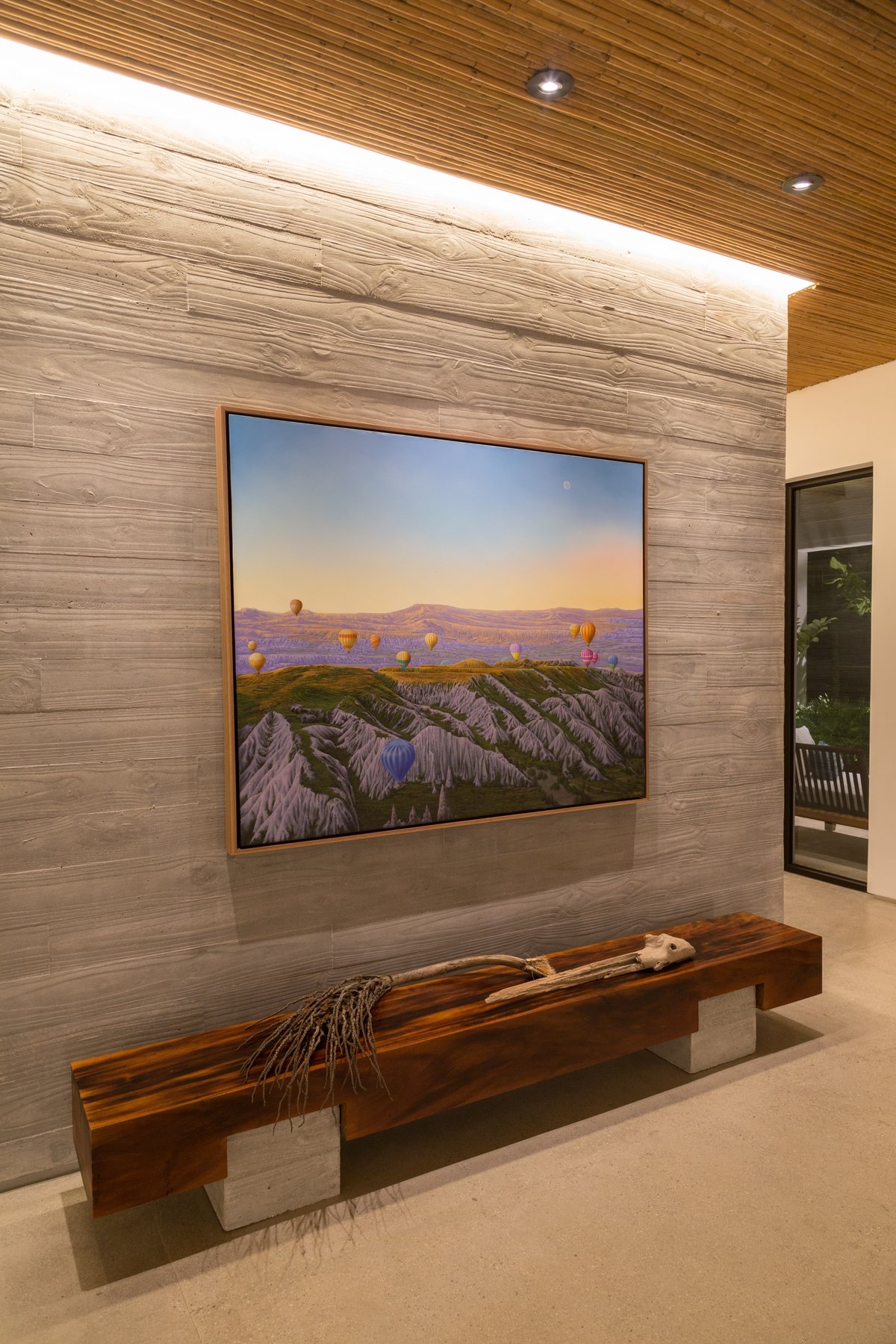
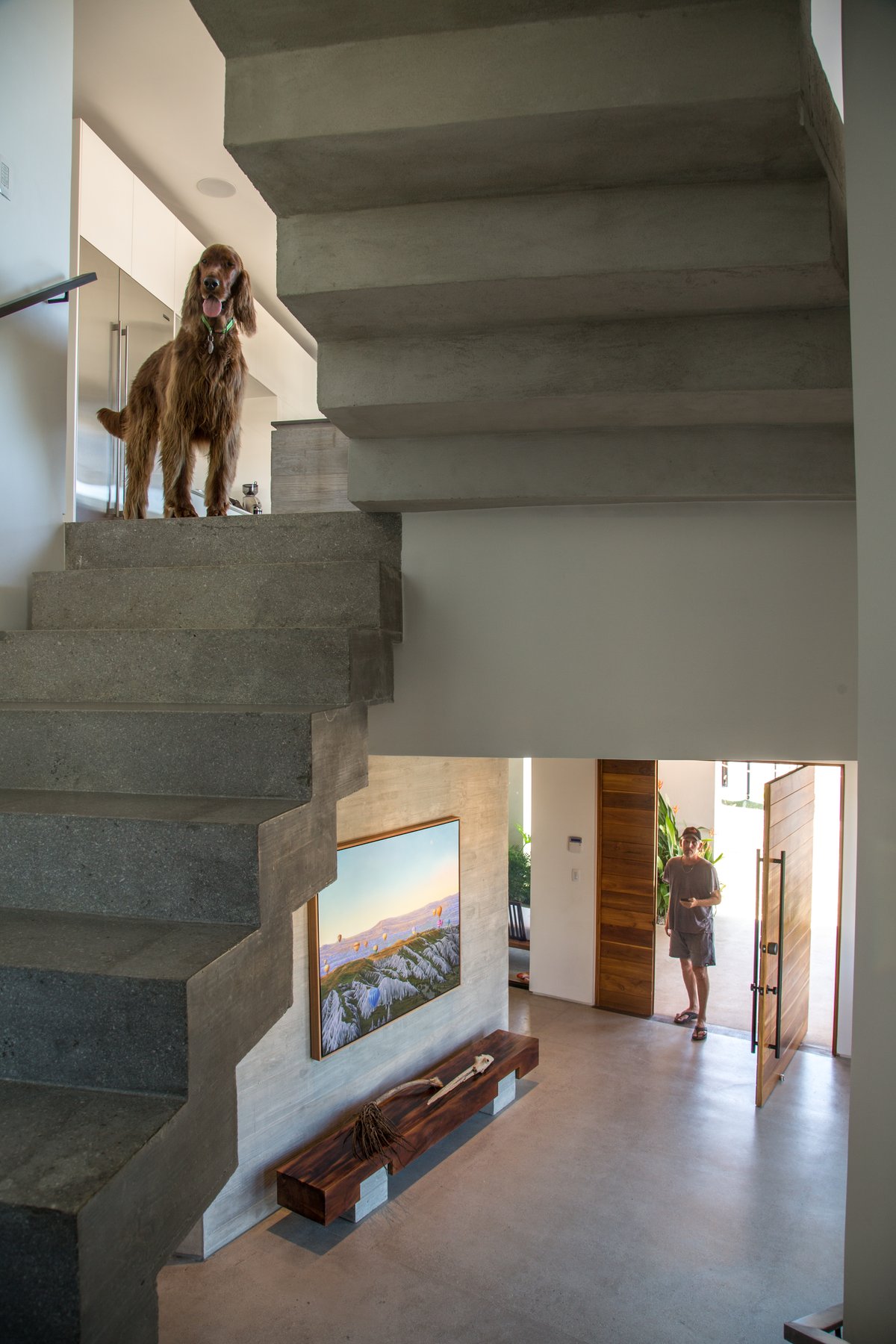
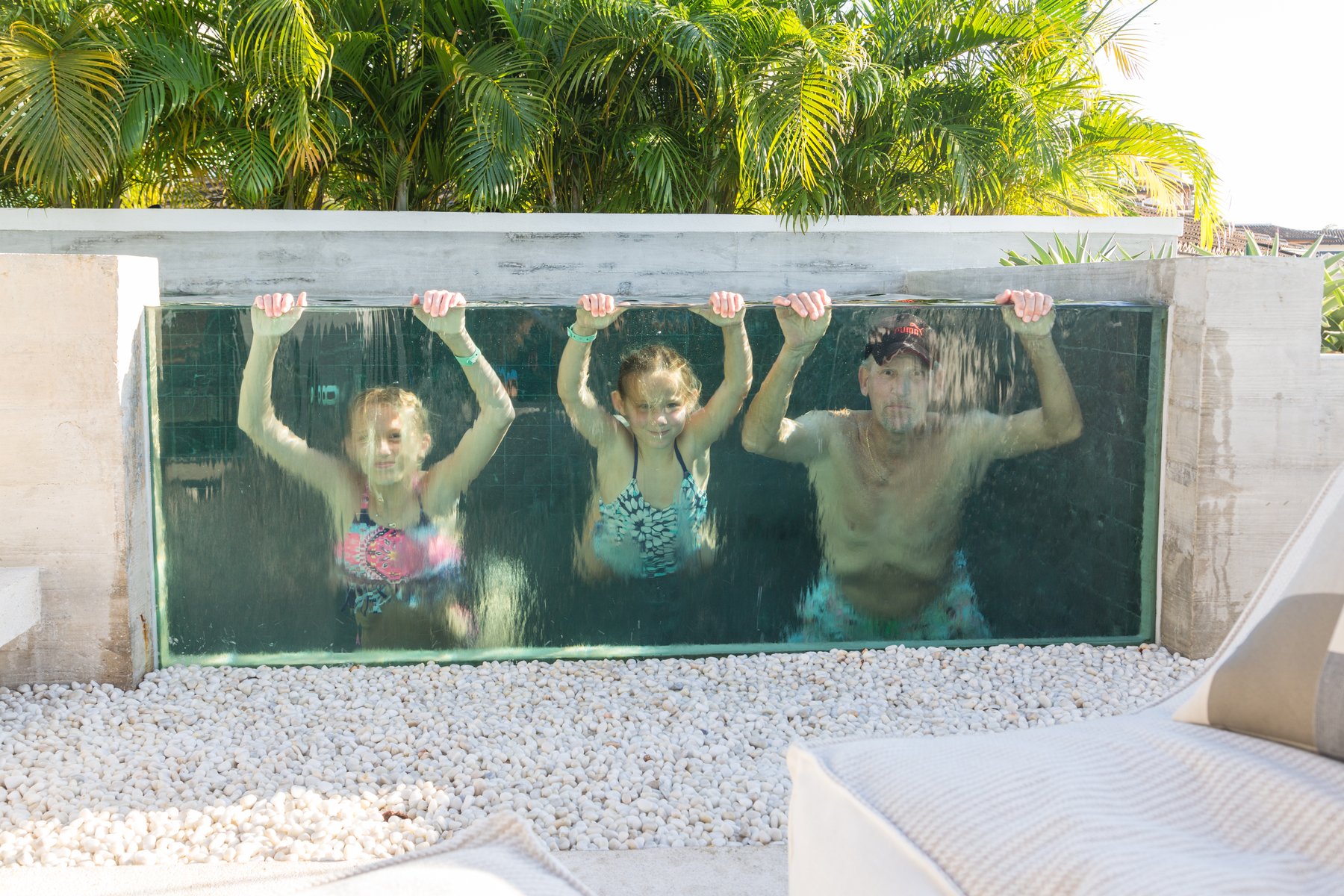
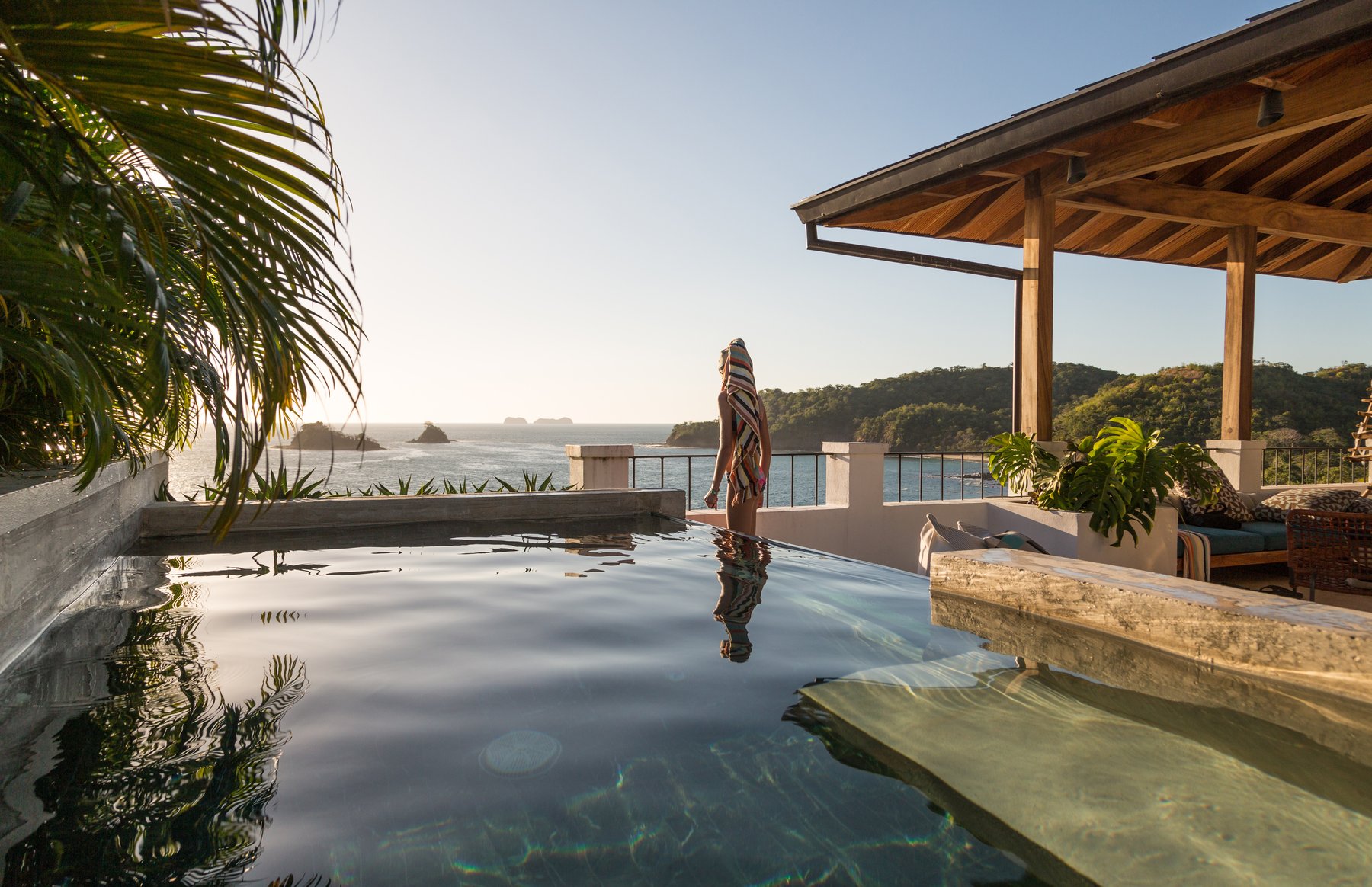
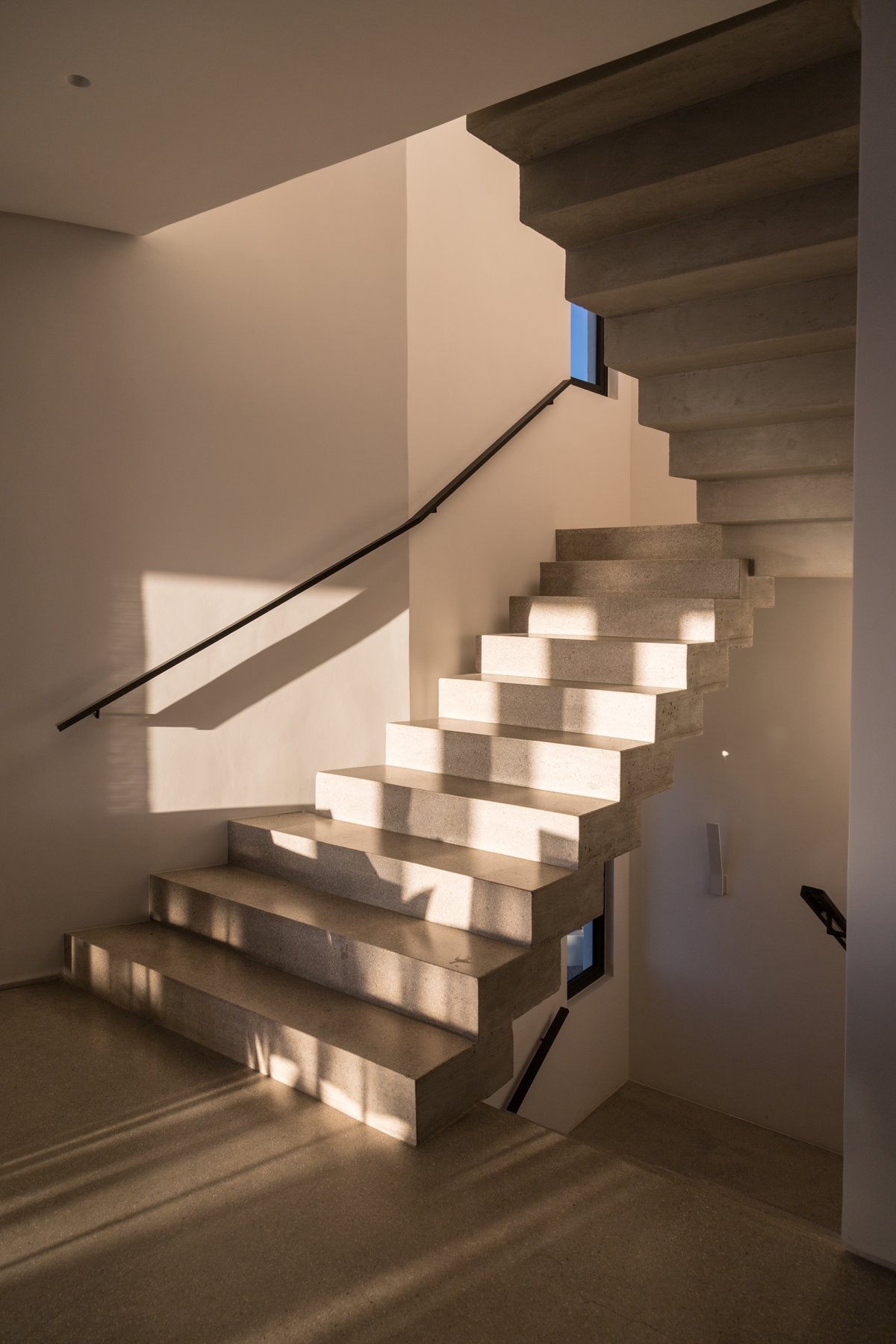
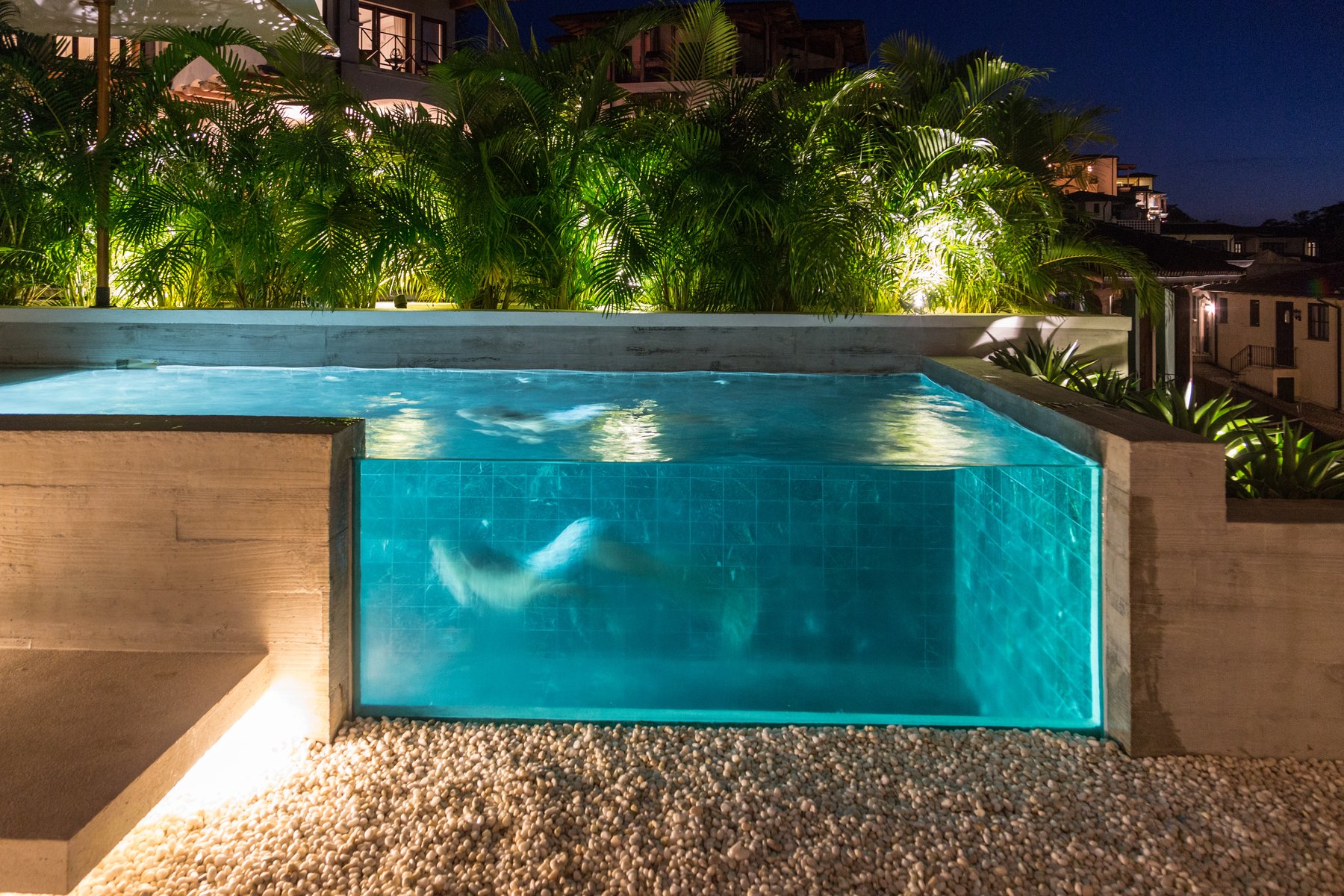
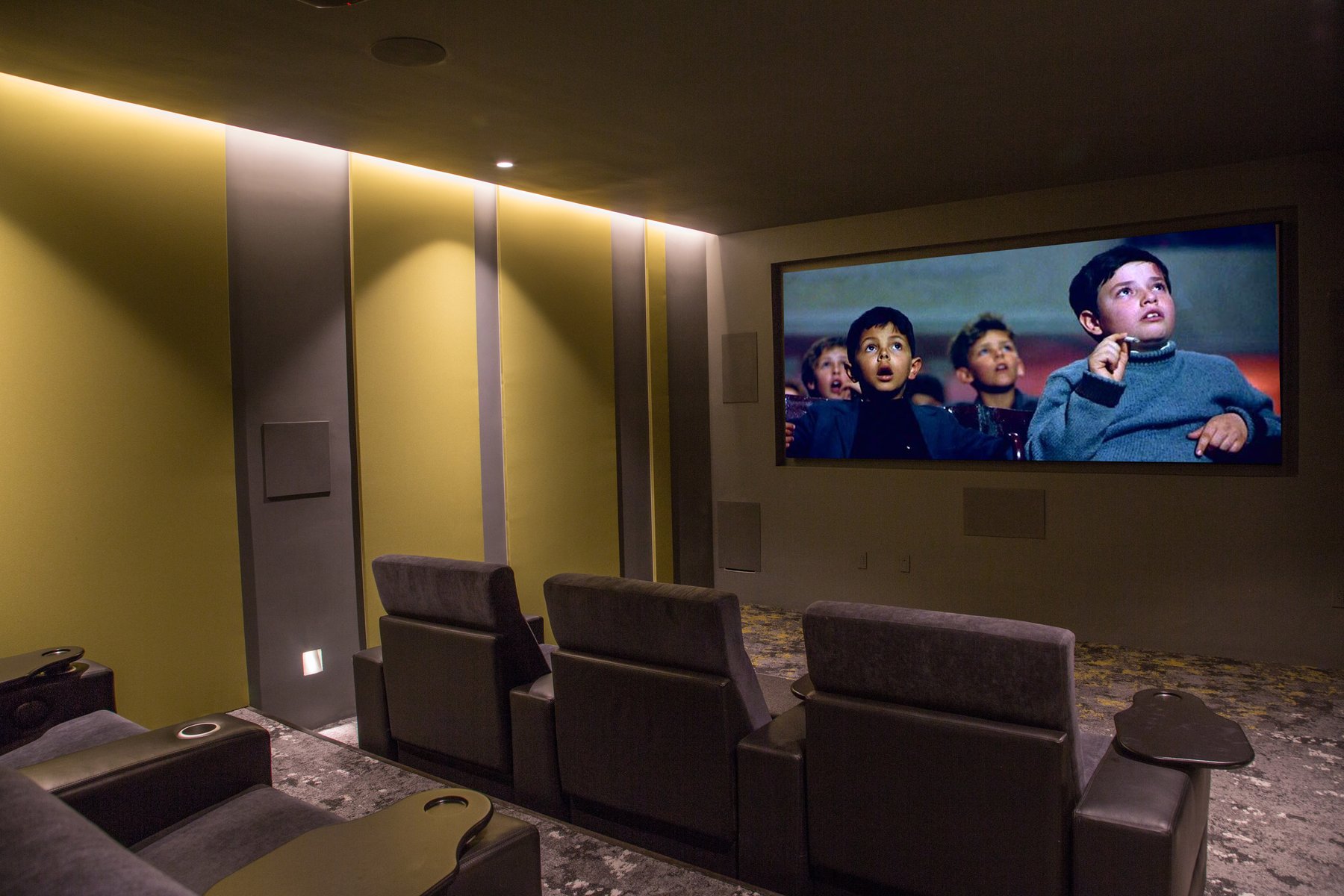
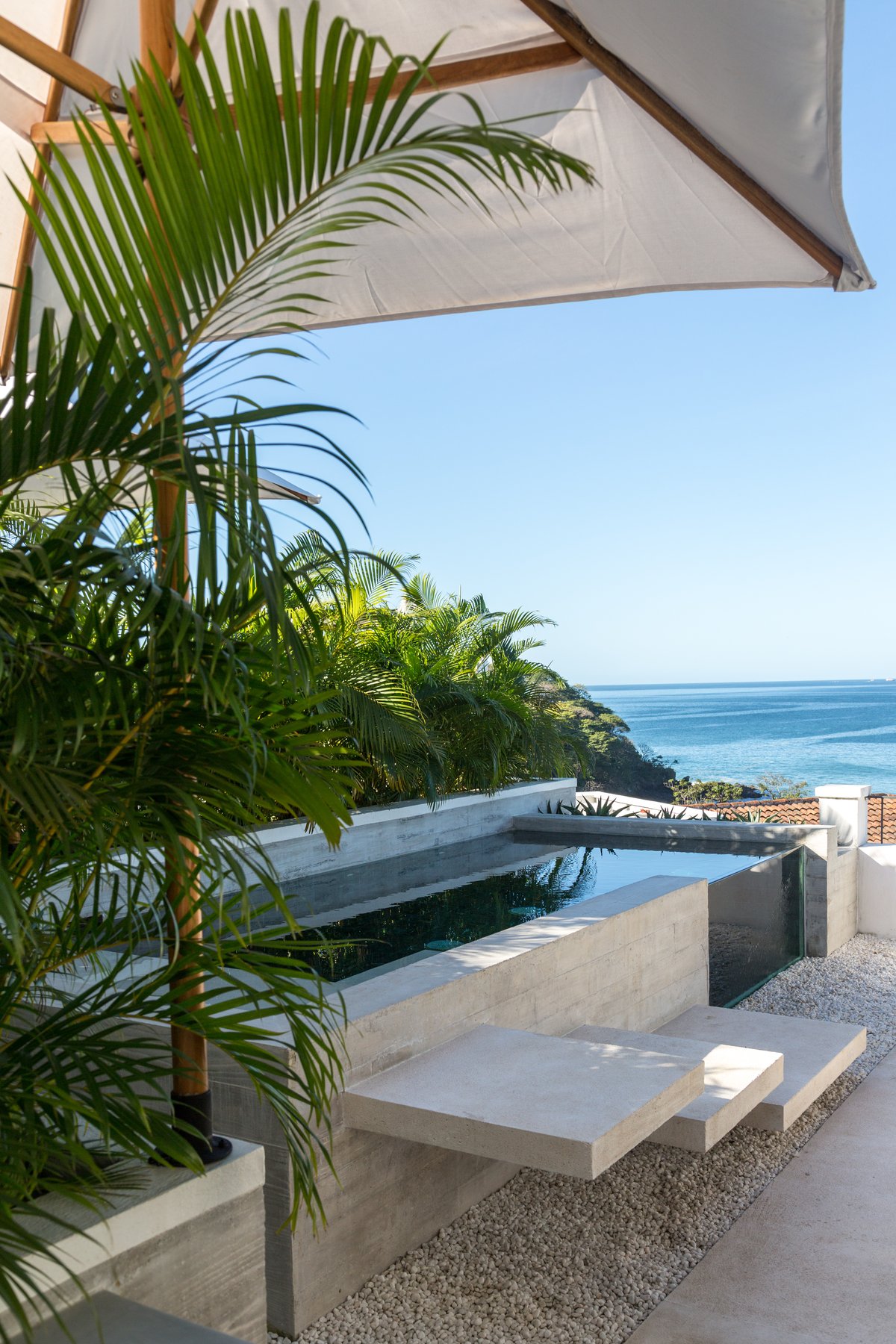
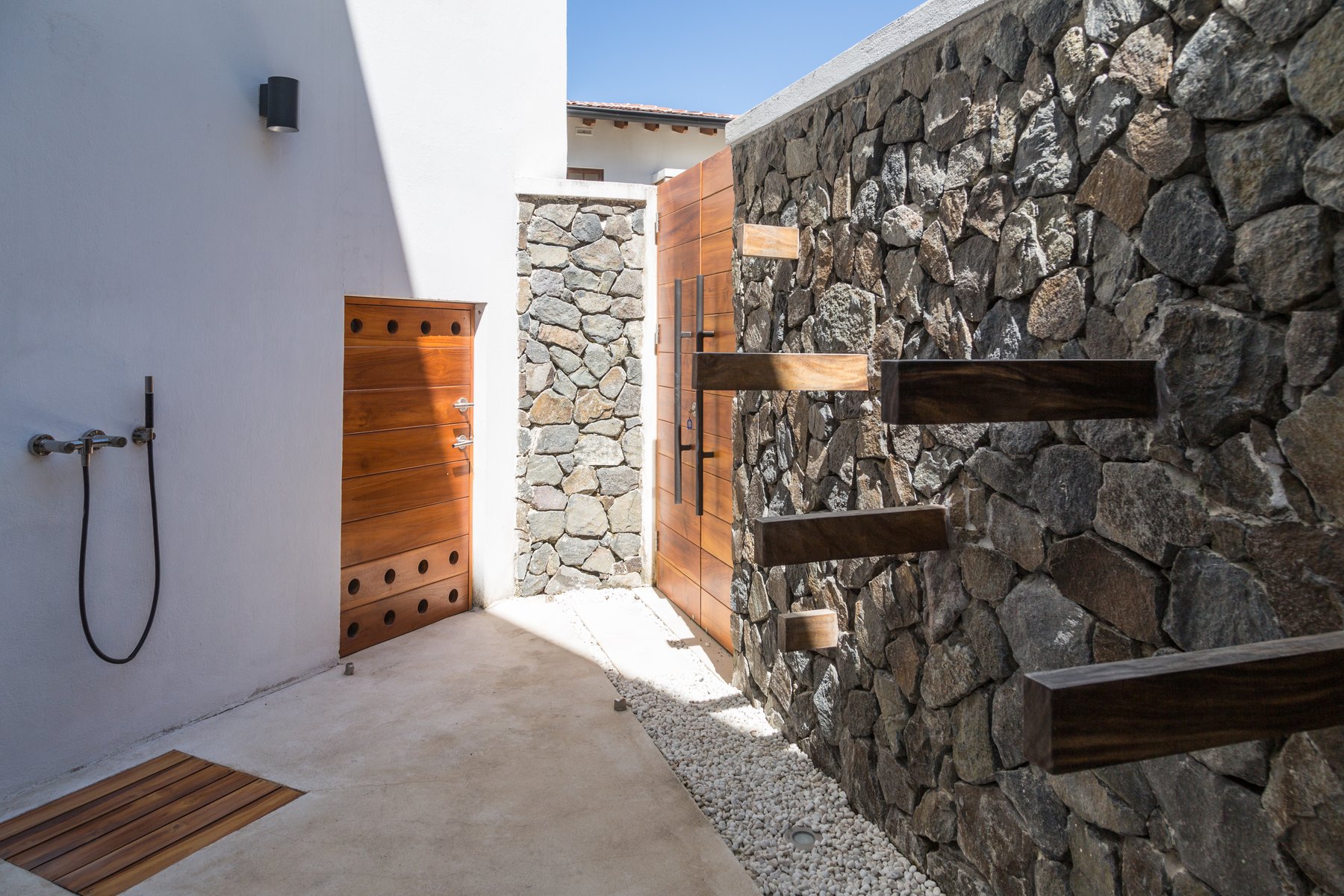
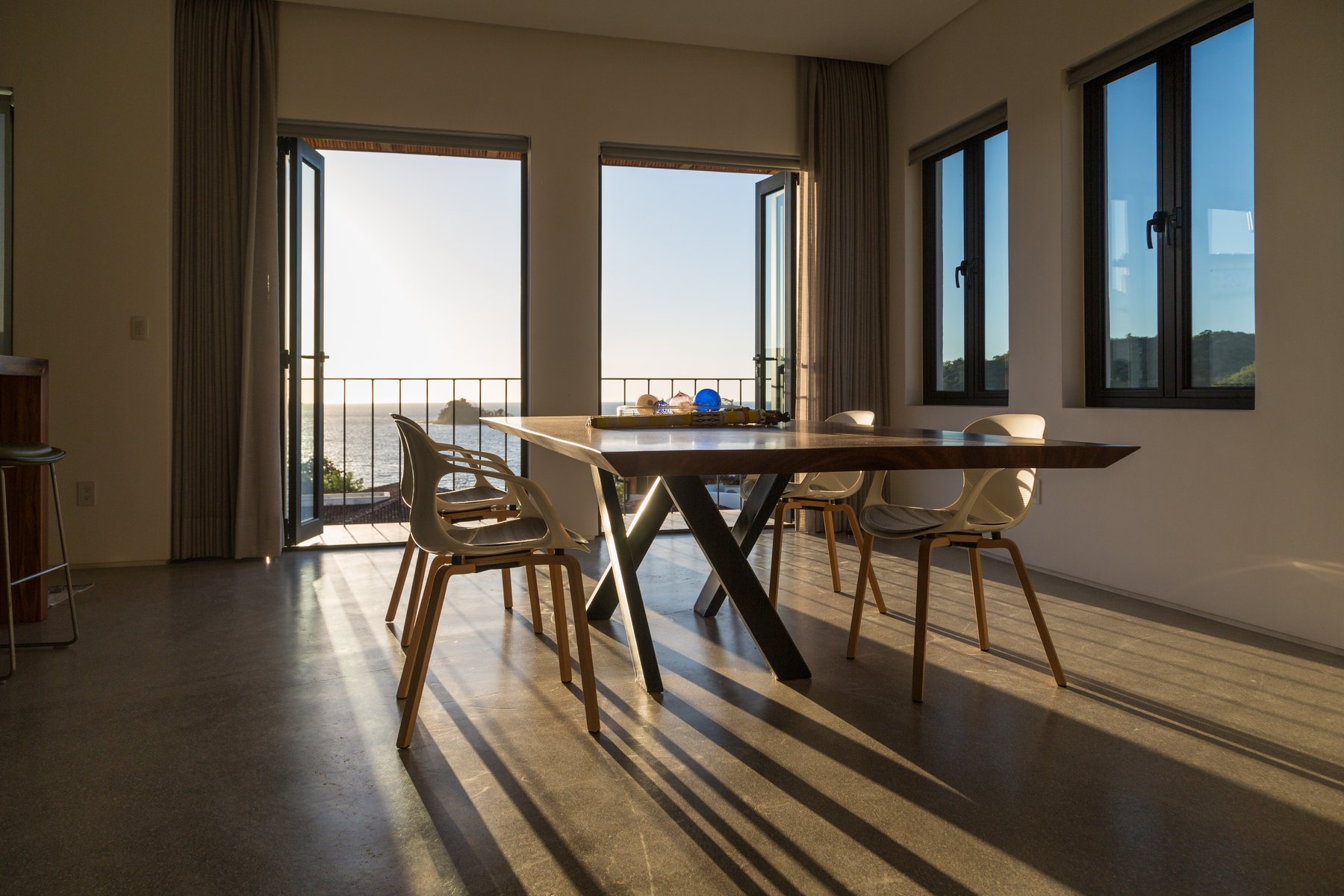
The home is organized across four levels. Below grade, a media room with acoustic absorption panels, reclining seating, and a dedicated projection and sound system. The entry level holds a guest bedroom and studio-office. Above, a master suite and open dining and living space with west-facing balconies over the Pacific. At the top, a living room opens to an outdoor terrace with barbecue and a rooftop pool — the first of its kind in Las Catalinas, accessed by cantilevering concrete treads. The pool features an integrated glass viewing window and is framed by generous planters; lush tropical planting flanks the water on two sides, creating a green sanctuary above the rooftops. A sculptural open concrete stair threads through all four levels, encountered from the moment of arrival: past a recessed shaded porch and through an entry portal framed by a massive solid Guanacaste wood header beam, into the foyer where a commissioned artwork marks the sequence. A secondary entry at the rear opens onto a private courtyard enclosed by a ten-foot Guanacaste stone perimeter wall — fitted with custom paddleboard storage, an outdoor shower, and a dog wash-off station, the ideal decompression point after a beach walk or trail run. The envelope is insulated throughout — walls, roof, and thermally treated glazing — with motorized shading that tracks the sun's movement and solar hot water heaters on the roof deck.
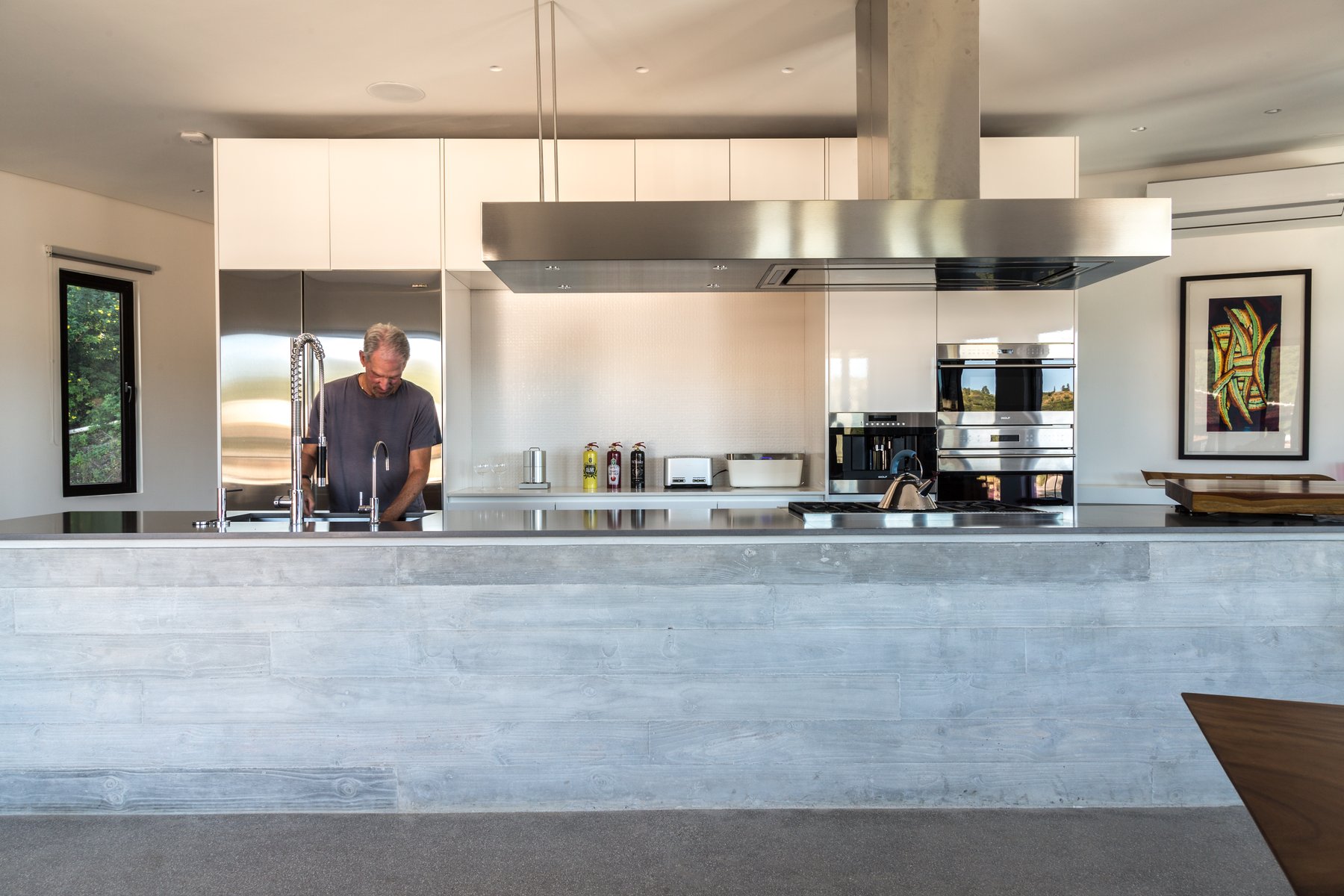
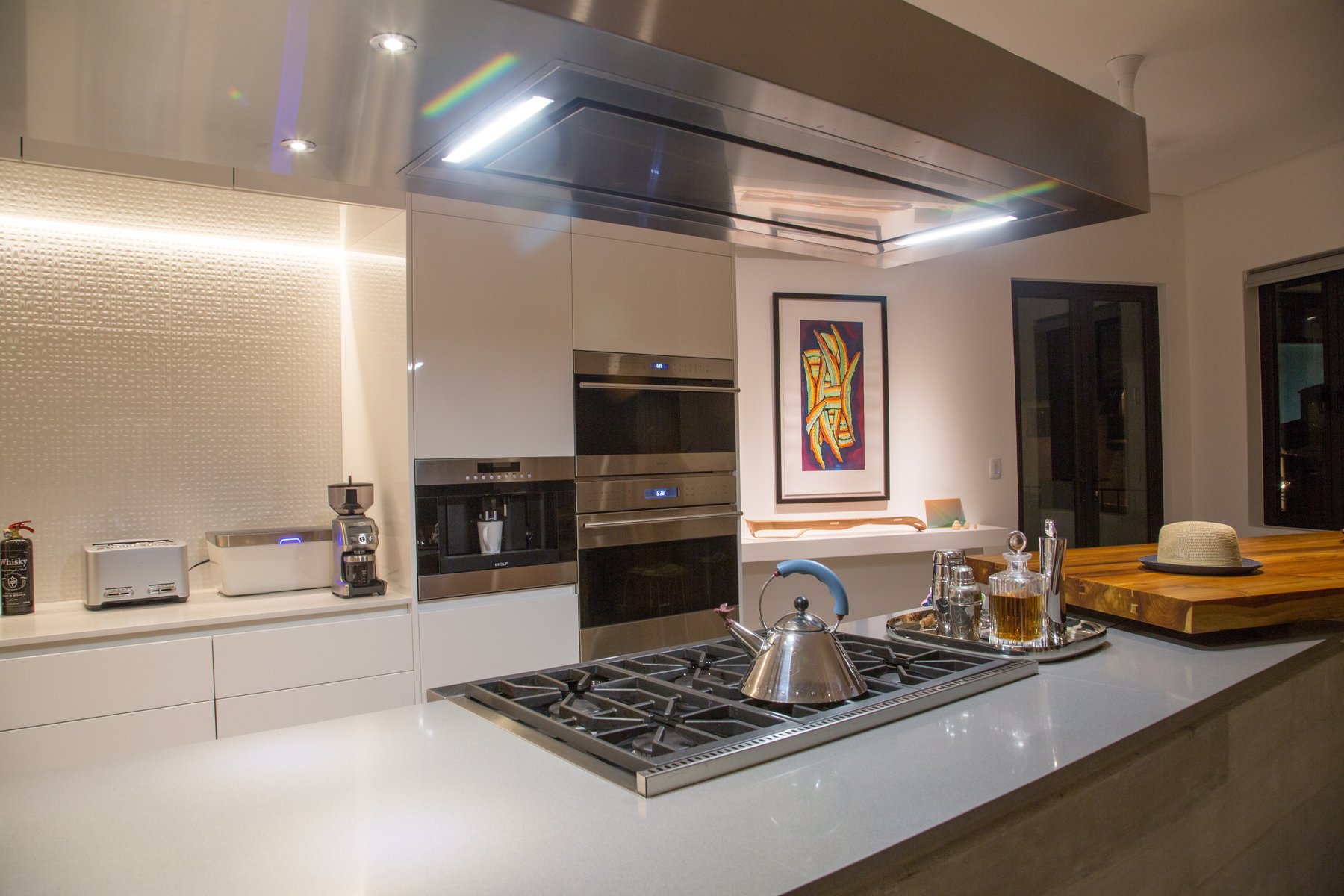
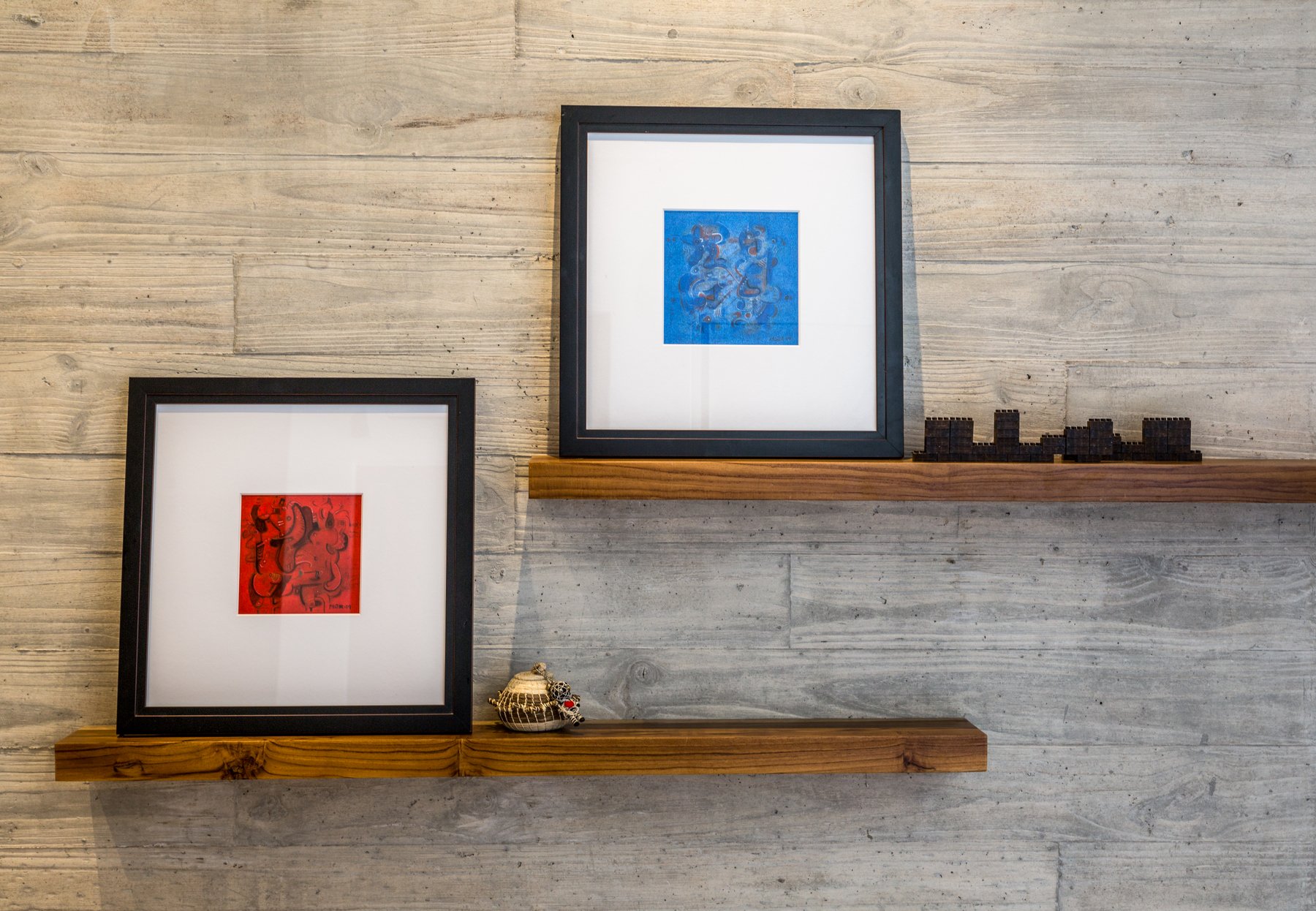
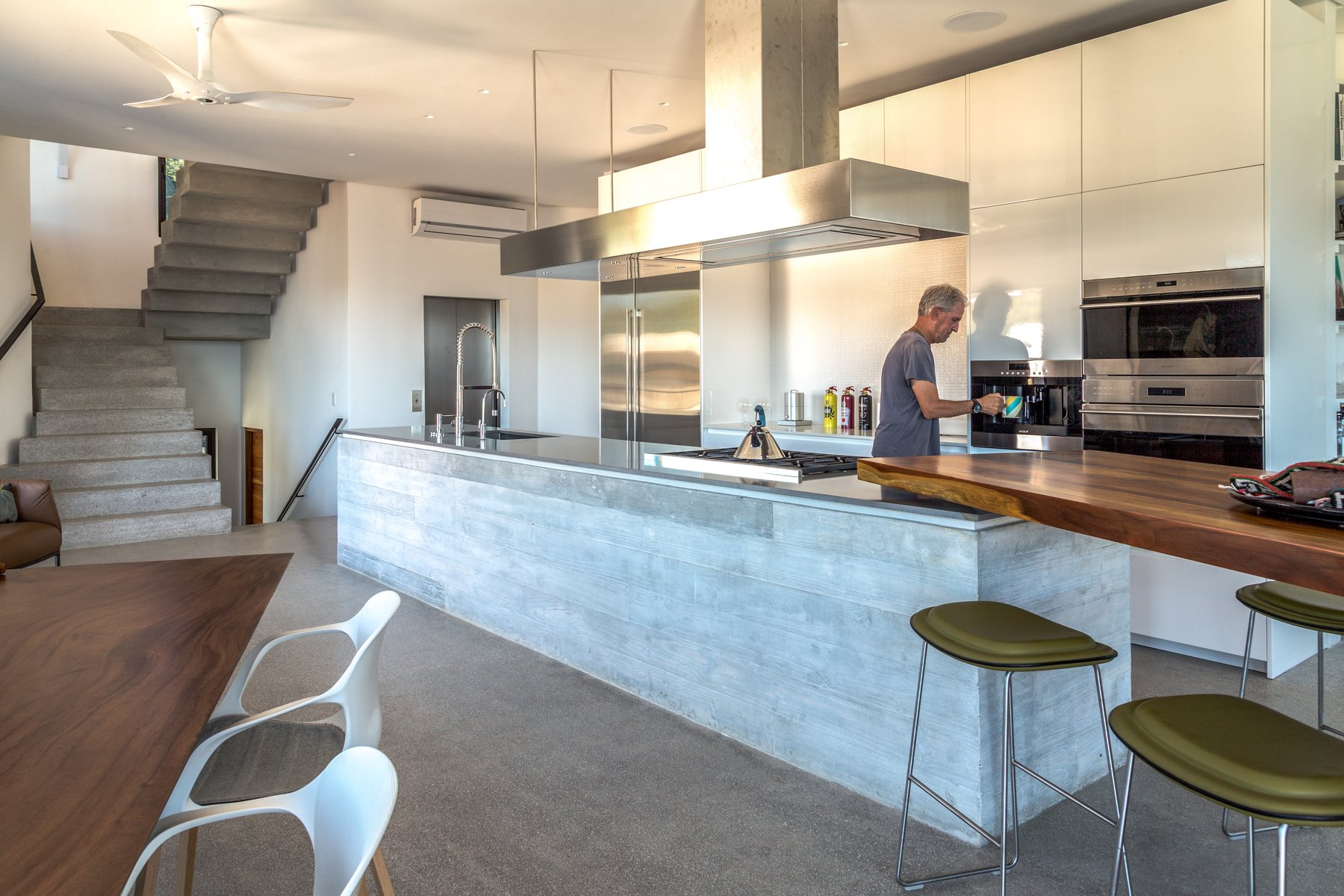
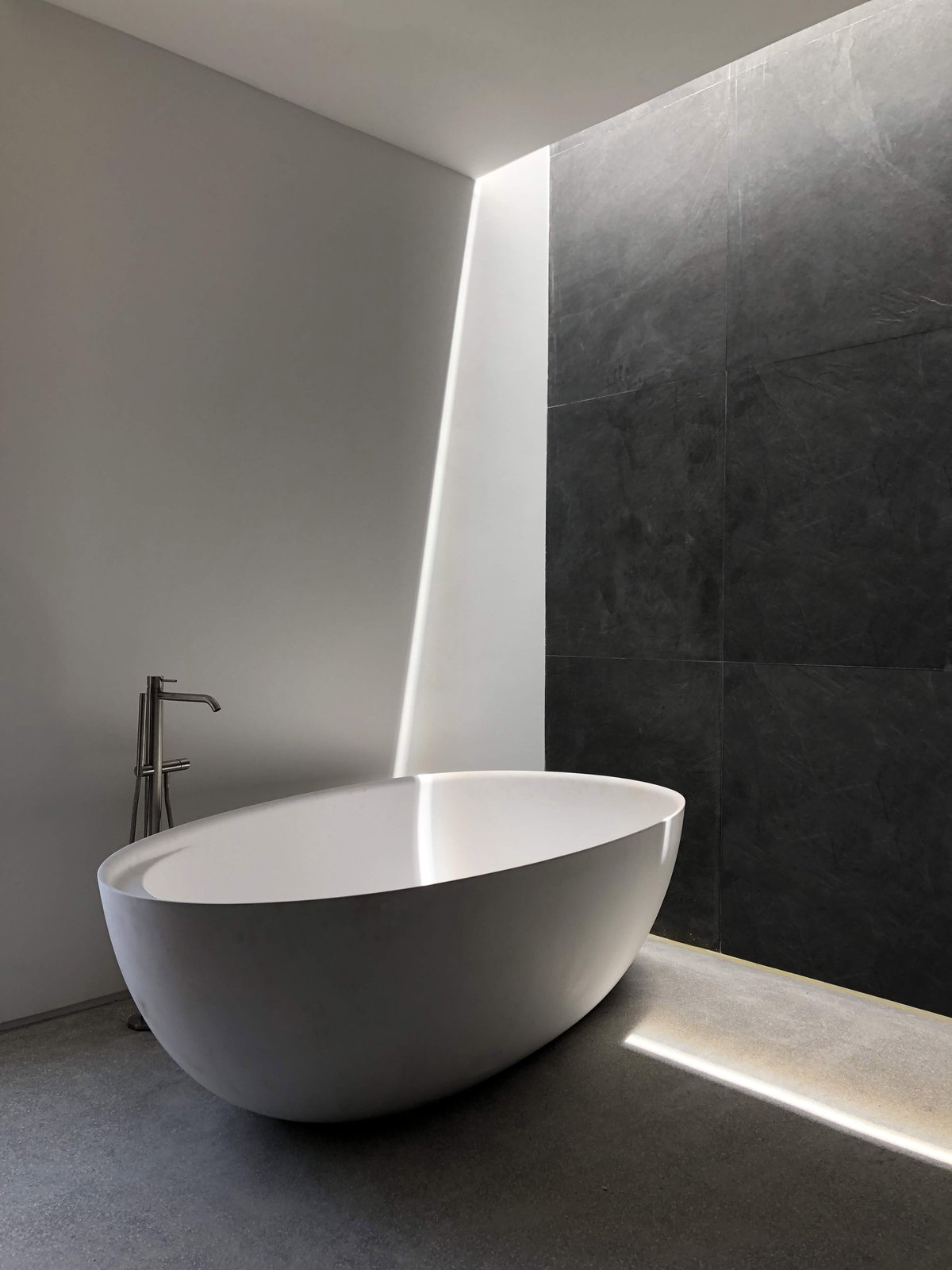
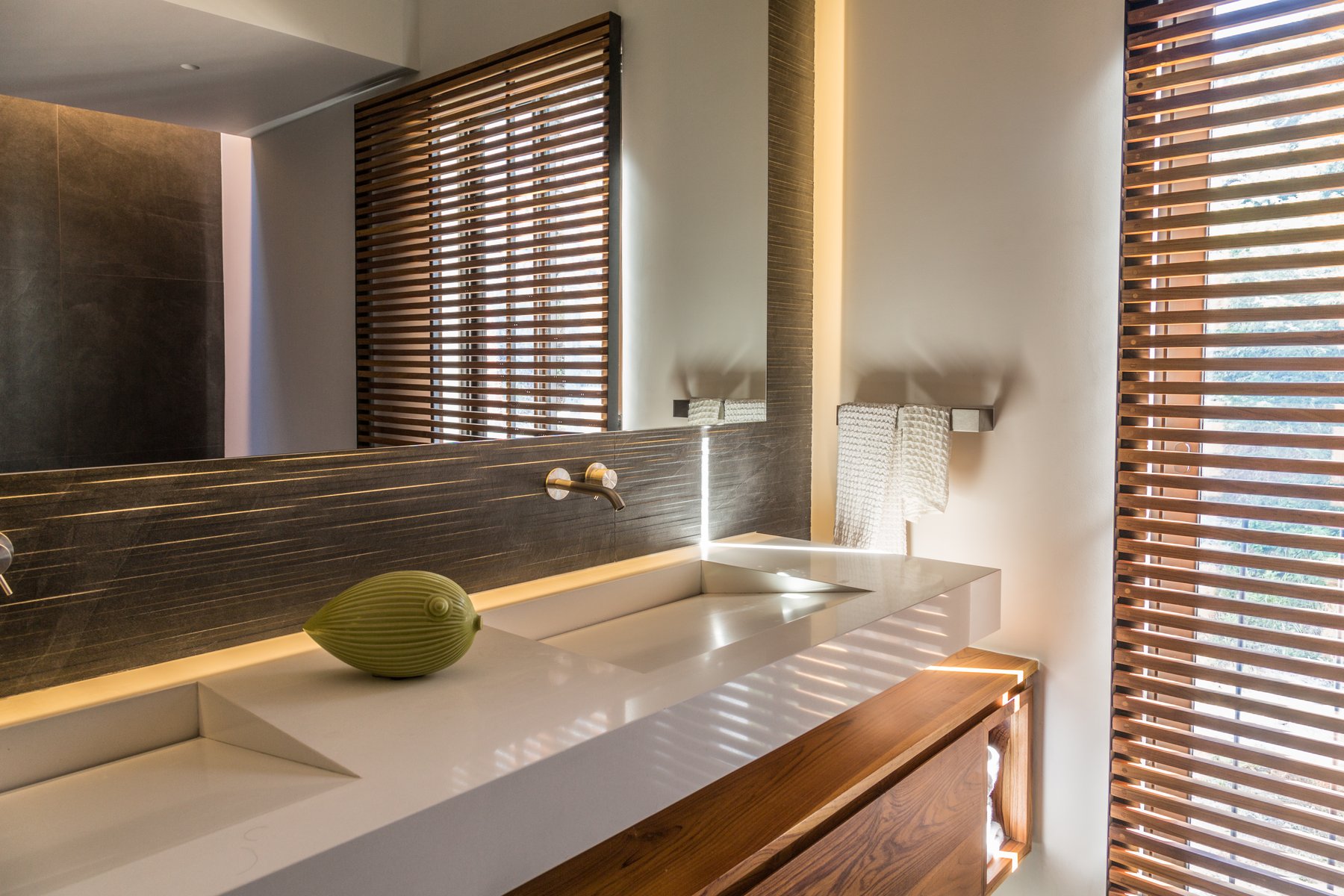
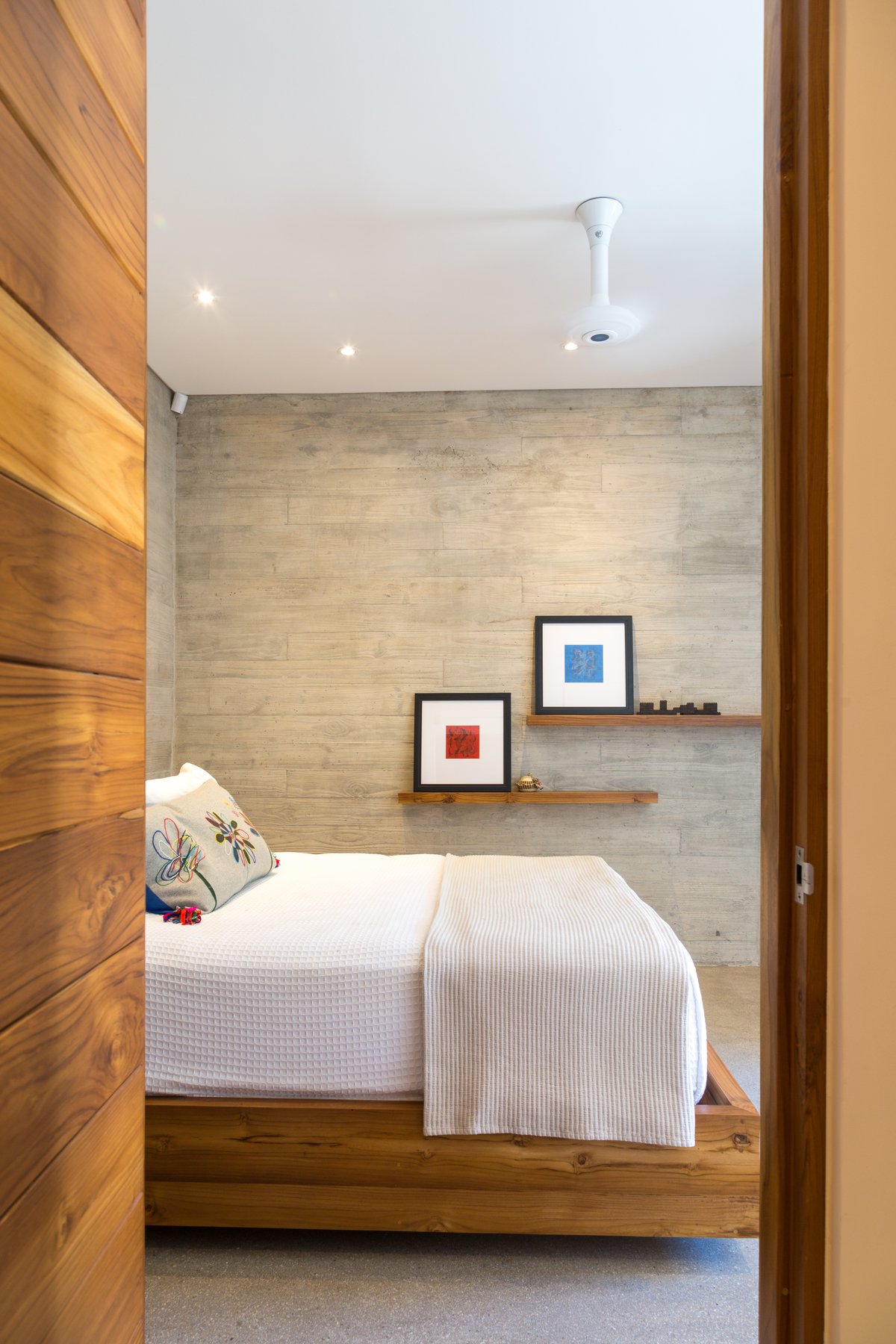
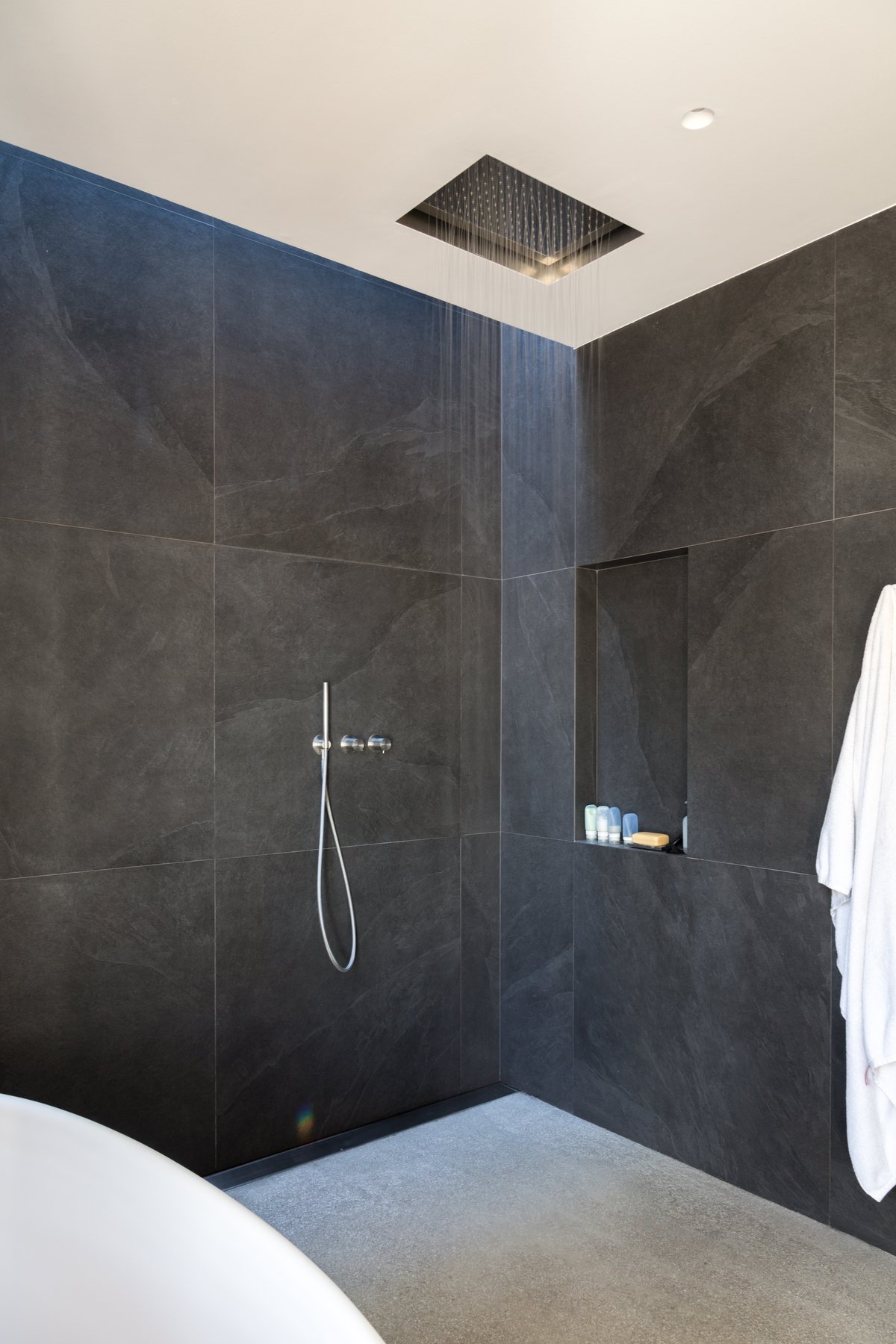
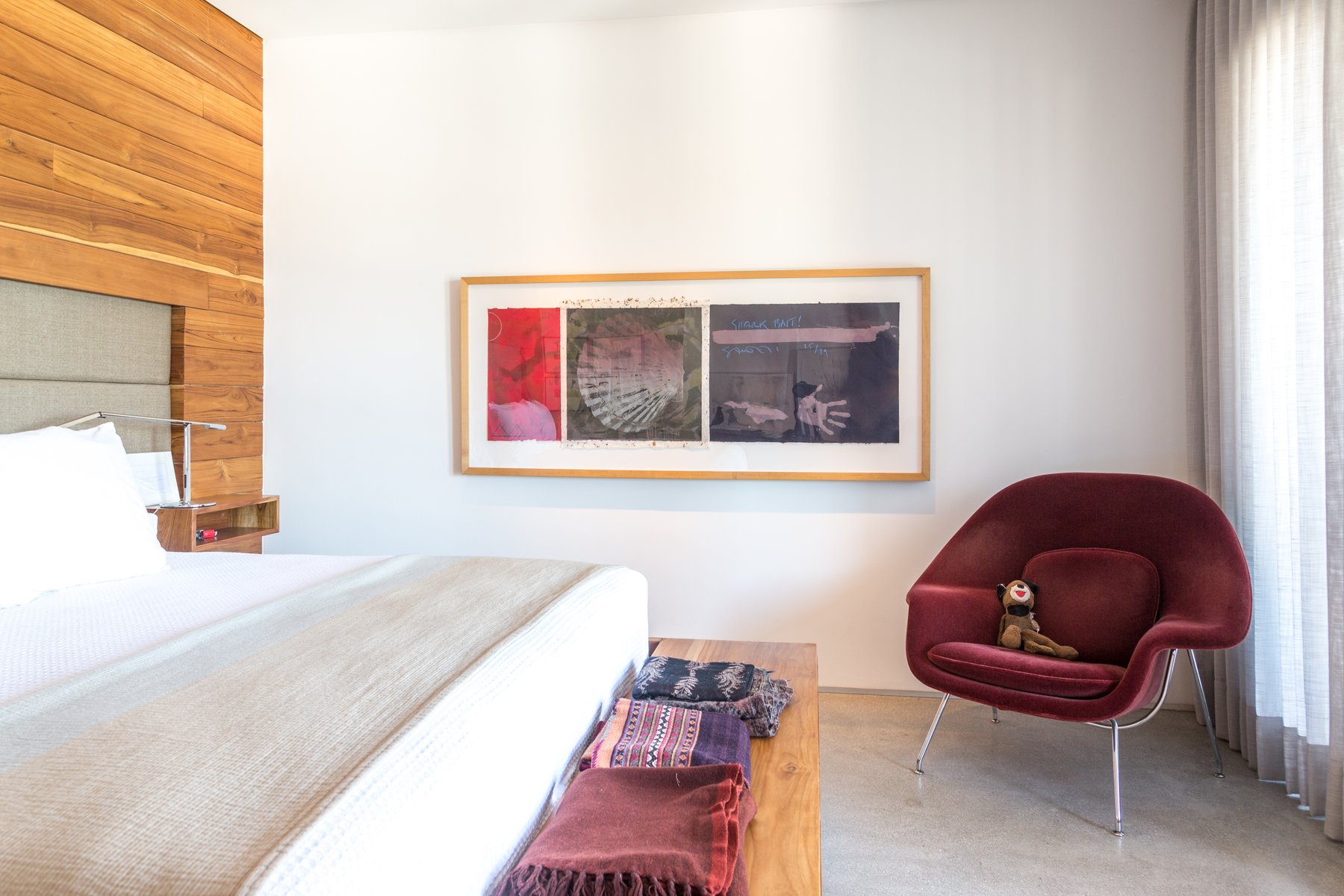
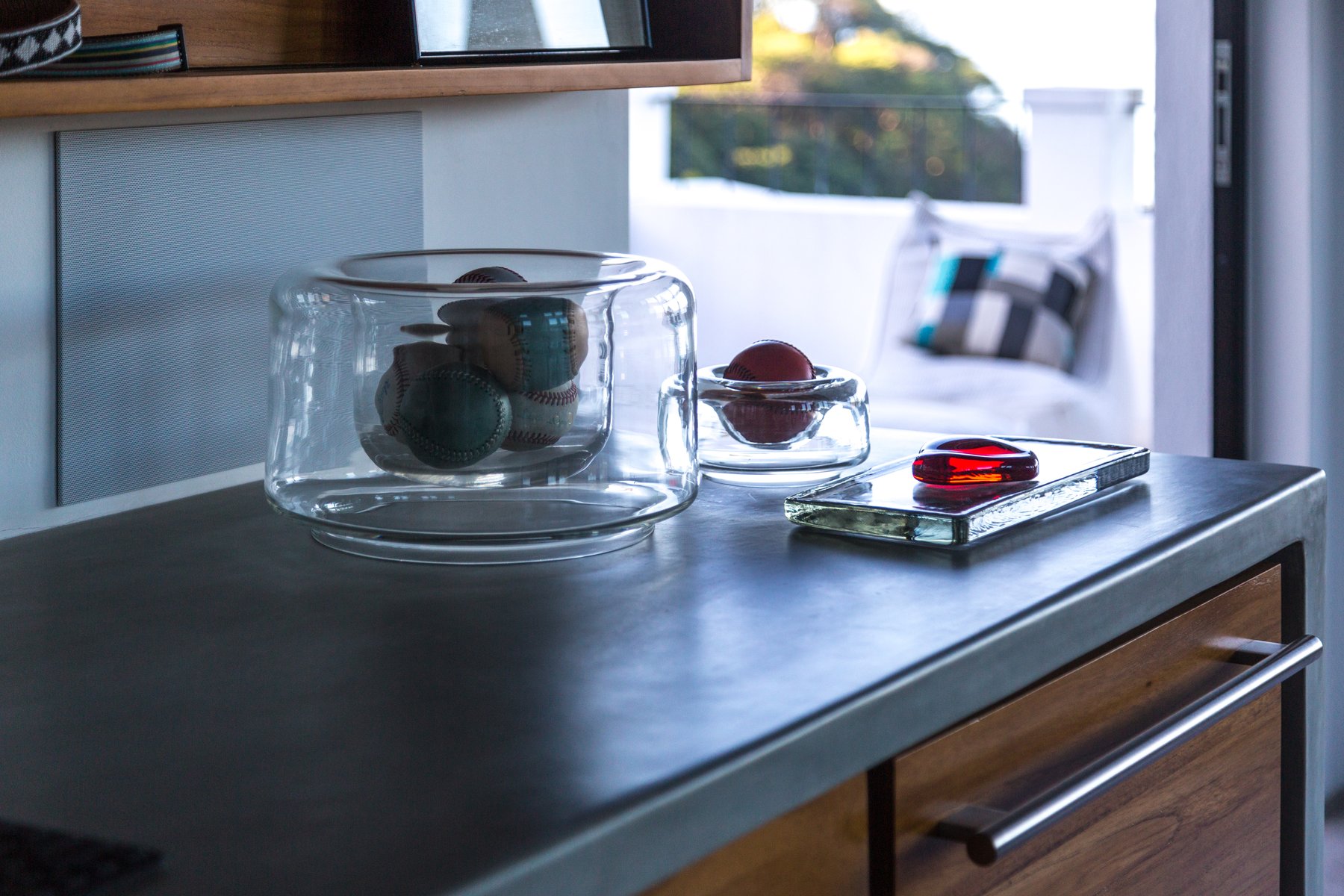
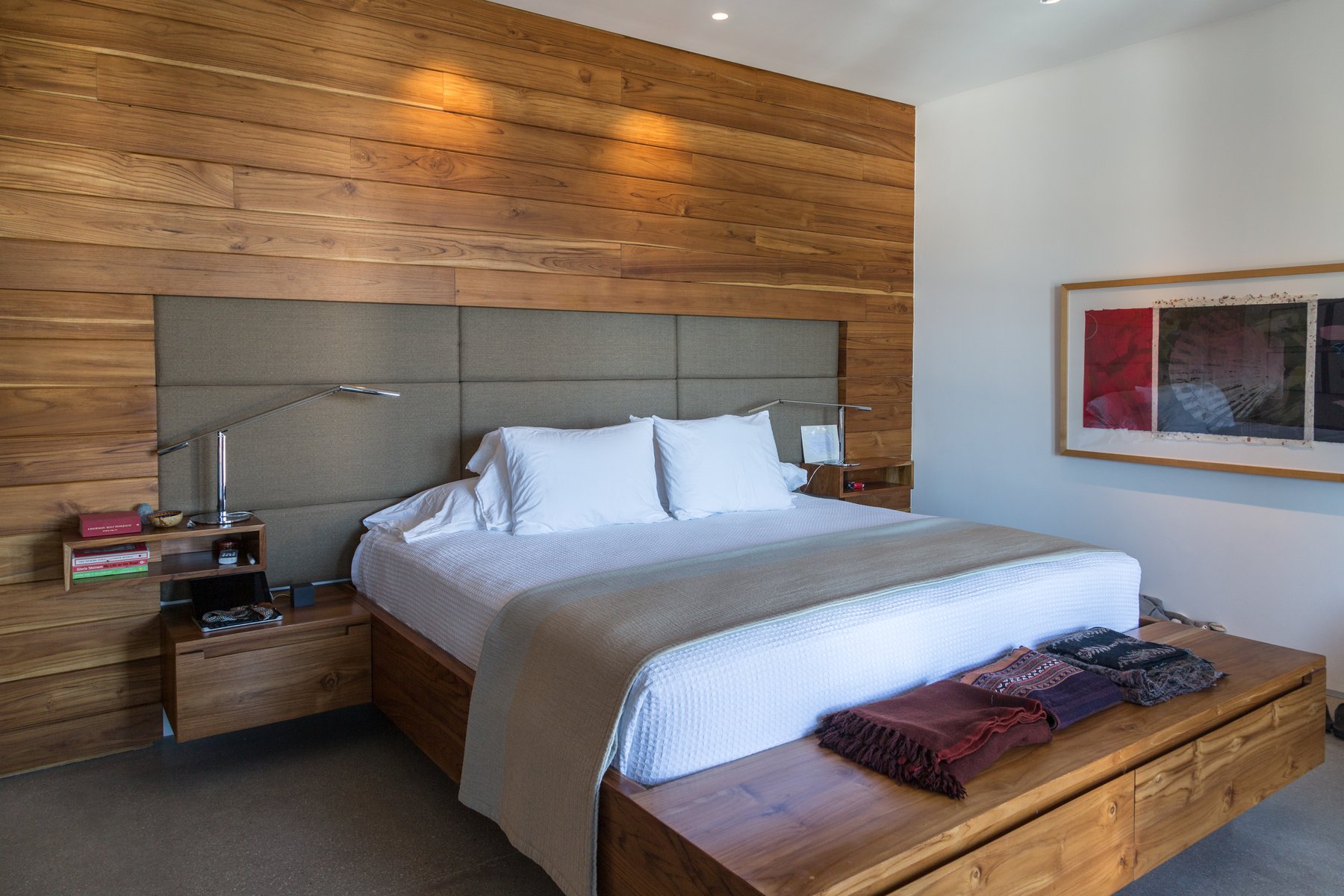
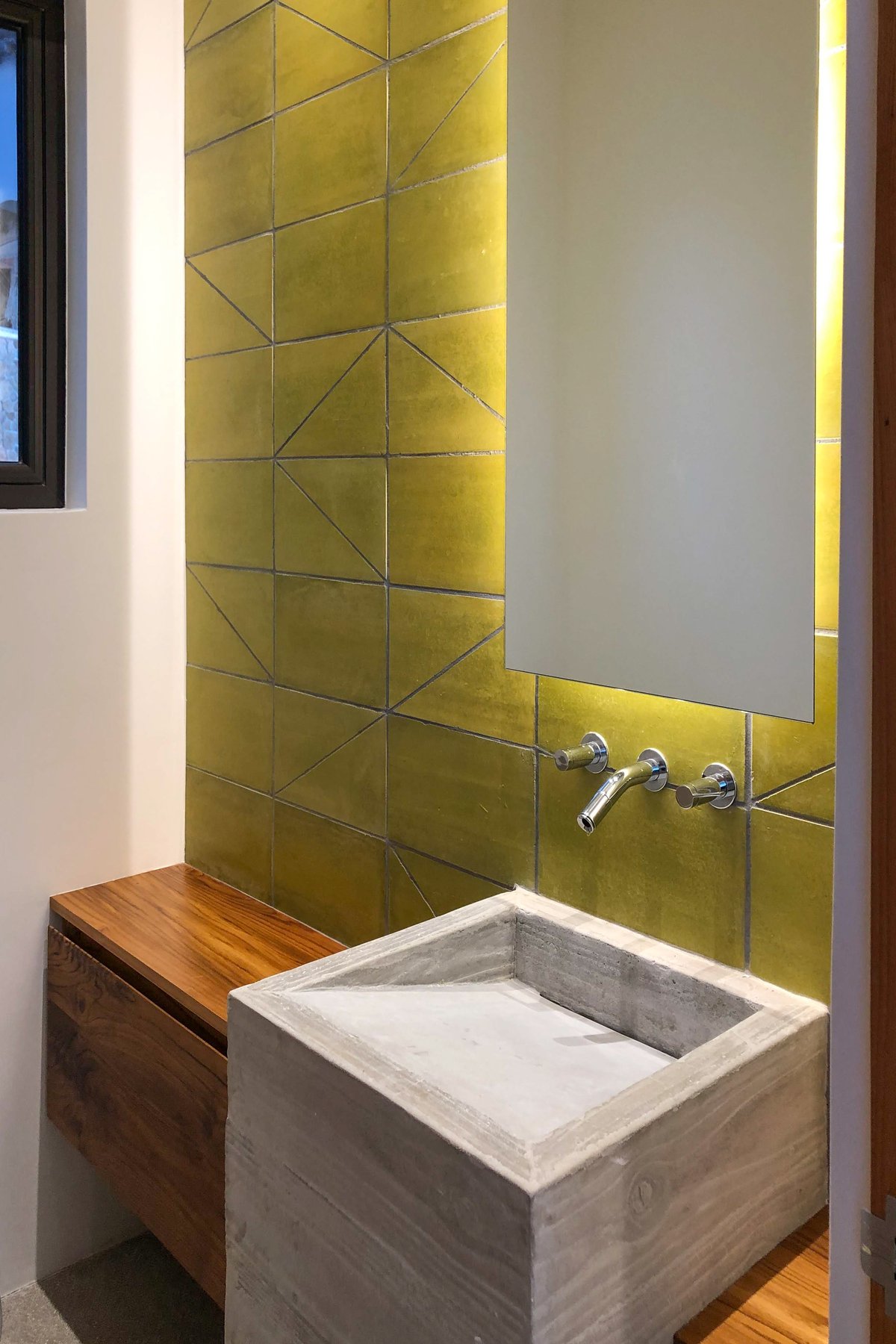
Polished concrete floors run through the main living areas. Board-formed concrete appears on walls and a generous kitchen island paired with wooden cabinetry and white lacquer finish; above the island, a large custom stainless steel vent hood with integrated lighting anchors the kitchen. The upper level is distinguished by Guanacaste wood beam ceilings with cana brava inlays, up-lit to cast a warm glow across the space — one of several carefully considered lighting moments throughout the home. A custom dining table with sculptural "walking" legs anchors the living level; artwork throughout was coordinated with purpose-designed lighting. All beds, headboards, and side tables were custom designed by Inverse in solid teak, carrying the material language through to the most intimate spaces. Every bathroom continues the palette with custom floating sinks and storage cabinetry in solid teak. The powder room is lined with custom locally made colored concrete tiles designed by Inverse, their proportions derived from the golden mean. The owners brought distinct sensibilities to the collaboration: one an interior designer who sourced furniture, fabrics, and accessories from Los Angeles and Chicago; the other a devoted cinephile whose years in LA gave the project its name and its basement its purpose. The two inform every corner of the house — from the carefully layered textiles and coordinated art to the fully equipped screening room below grade. Among the objects that made the move: an original Eames plywood splint, a retirement gift still in its original paper wrapping, displayed on a shelf designed specifically to receive it.