
Residential
Pacific Coast, Costa Rica
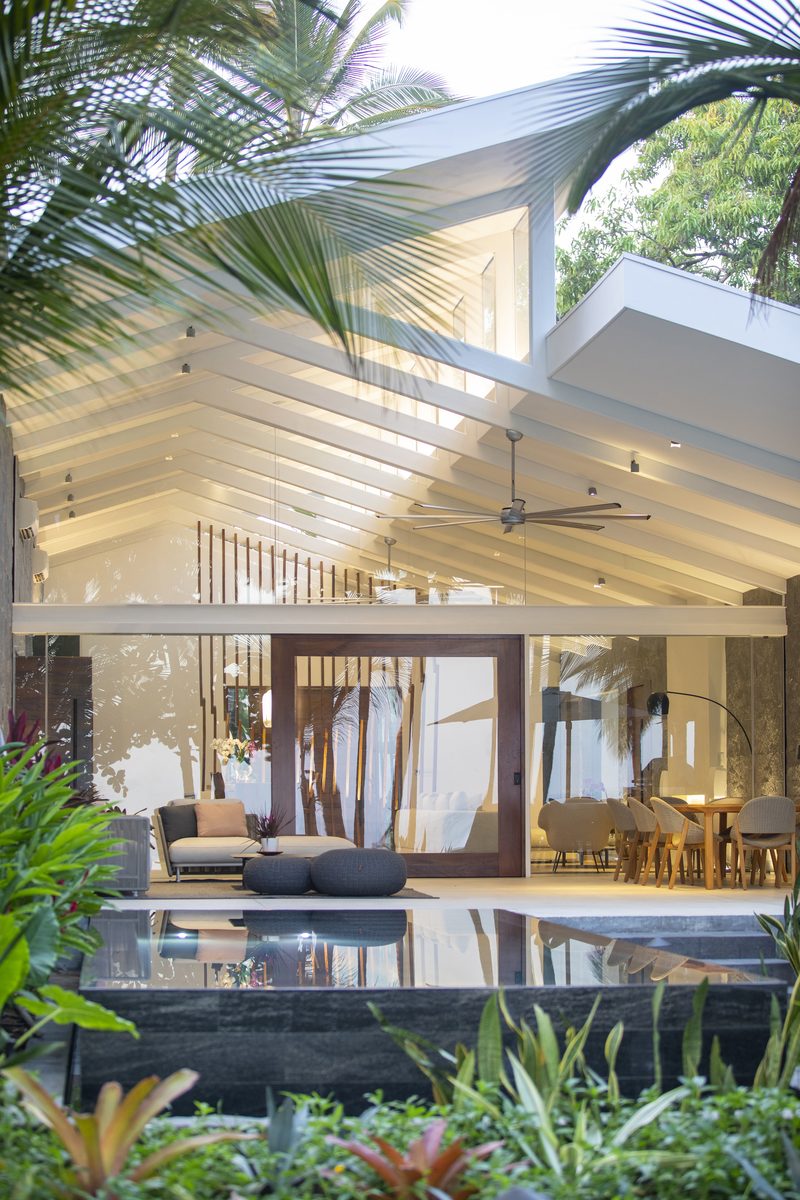
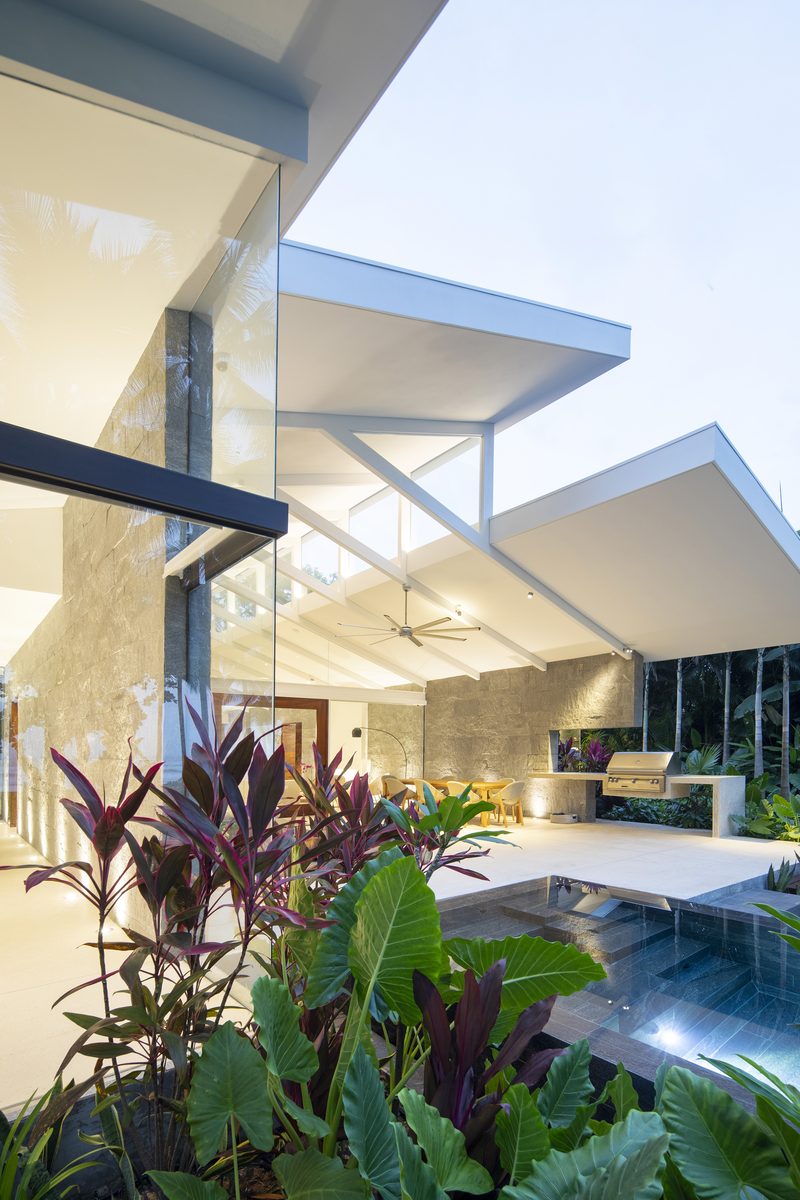
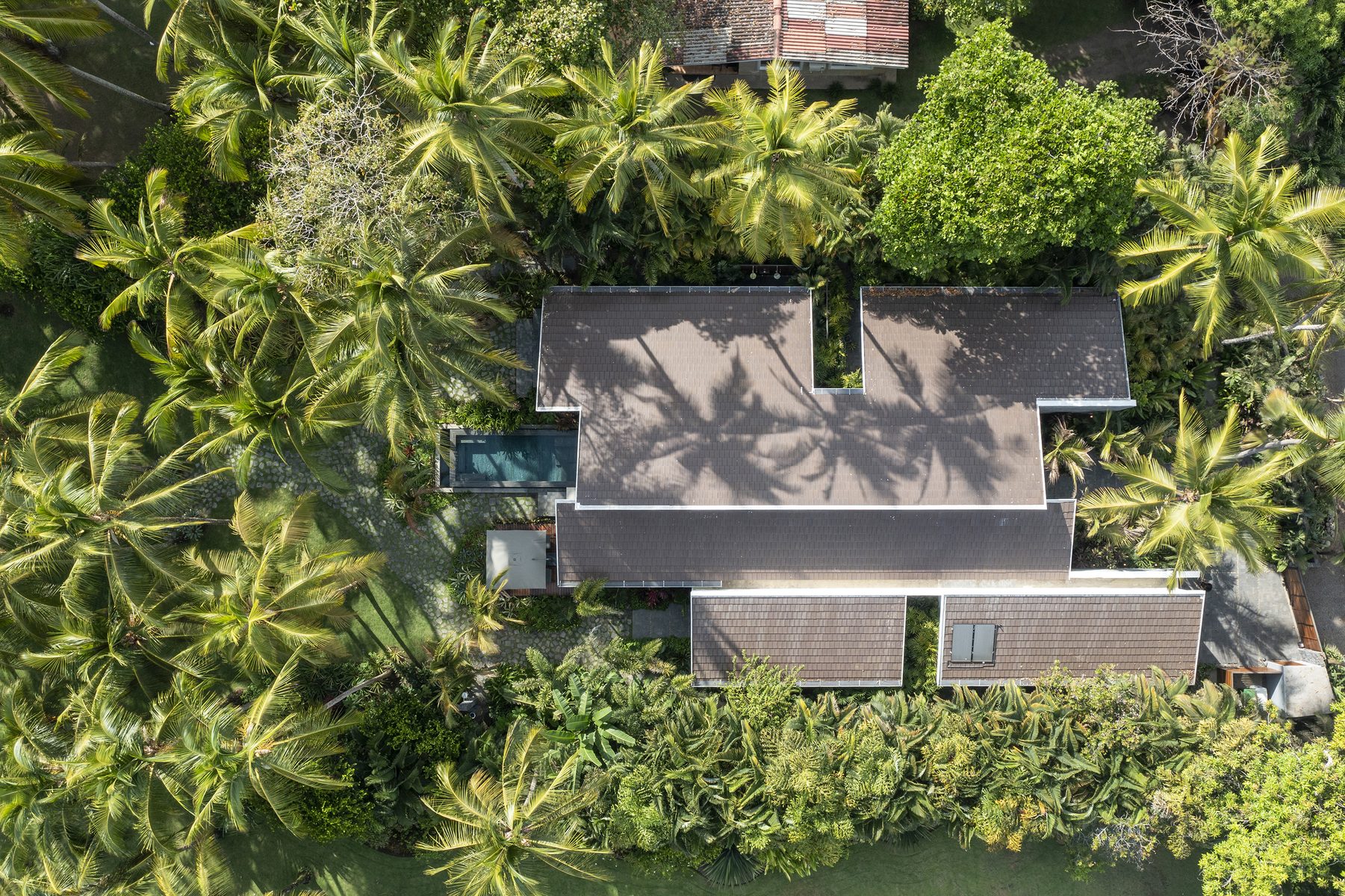
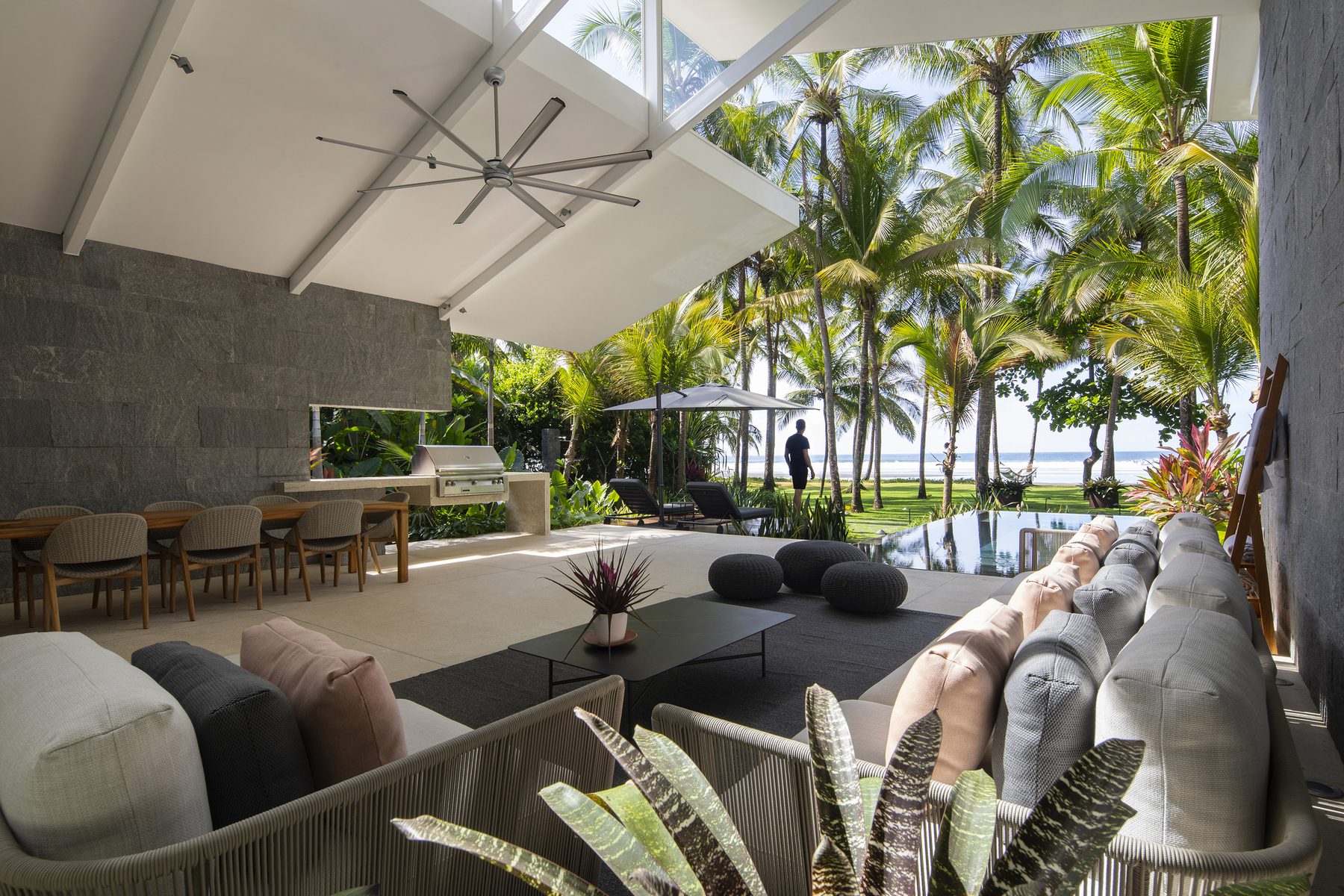
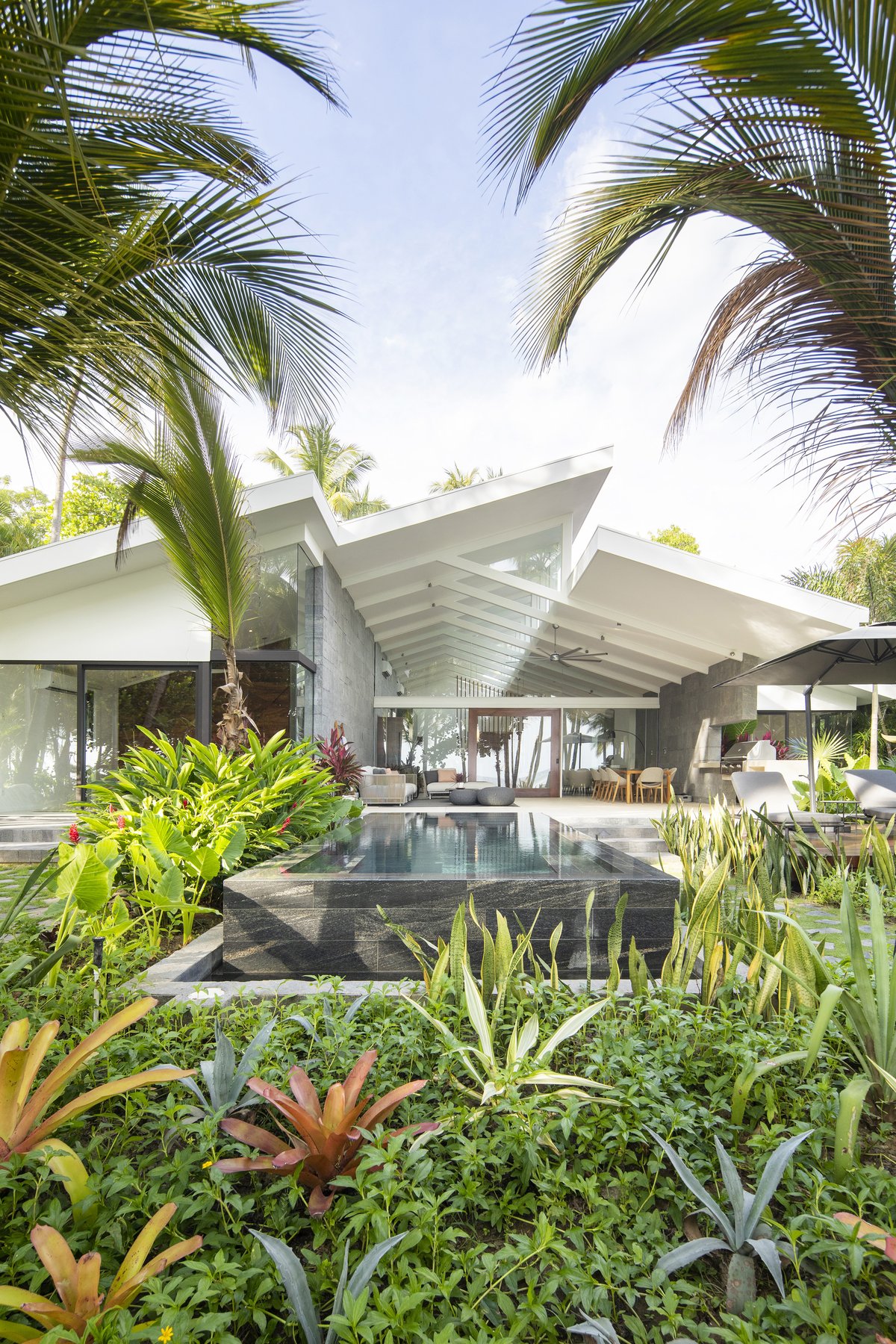
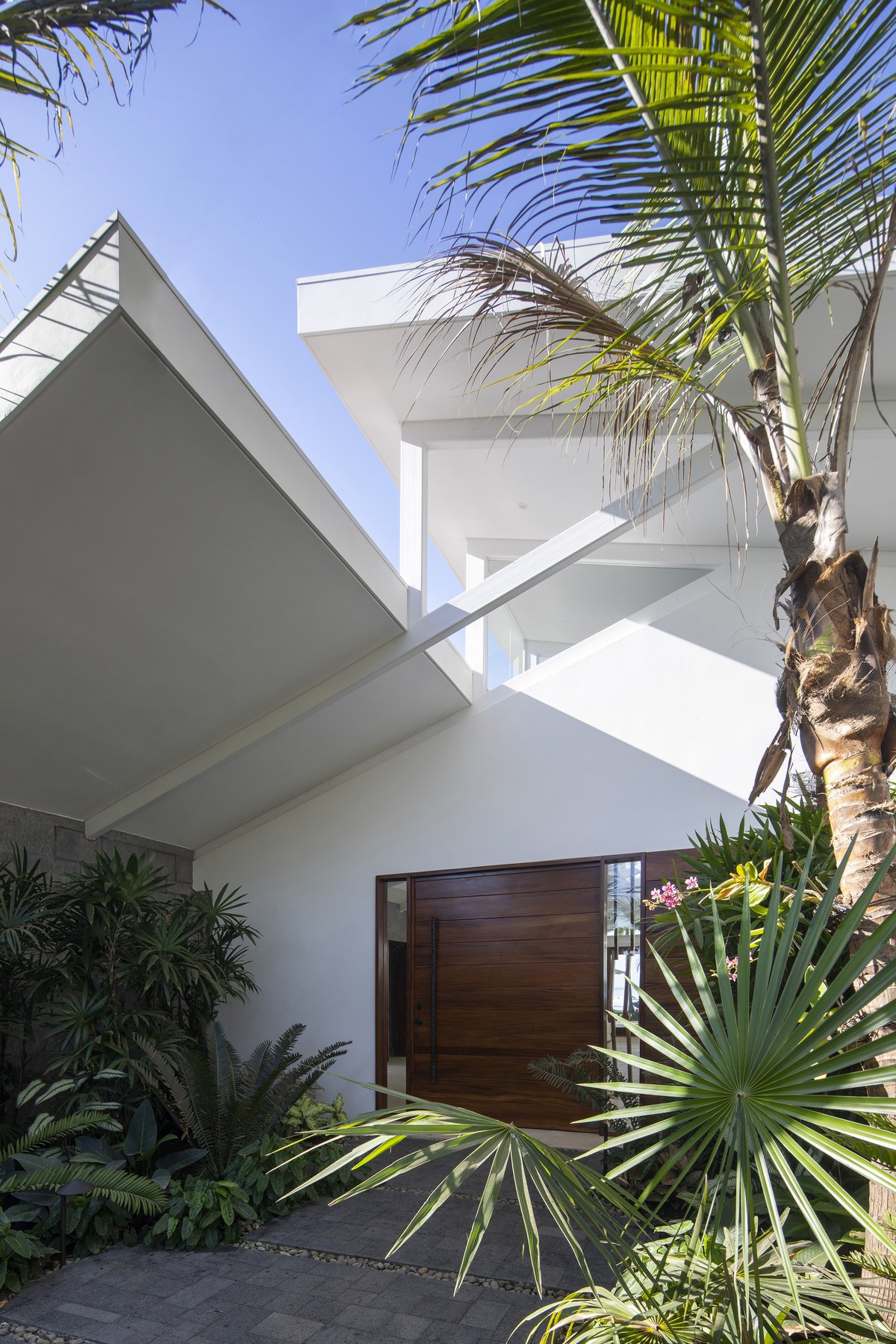
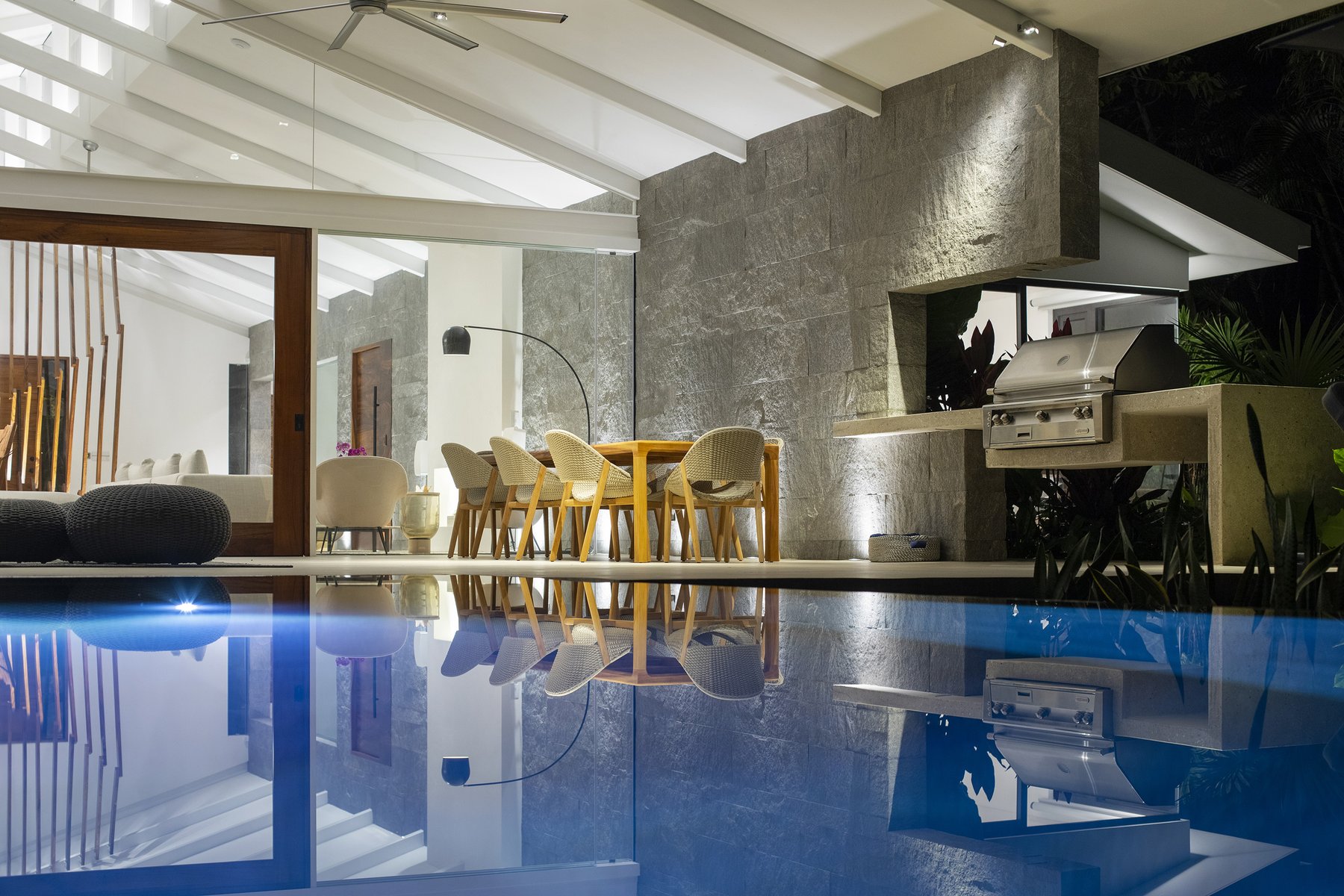
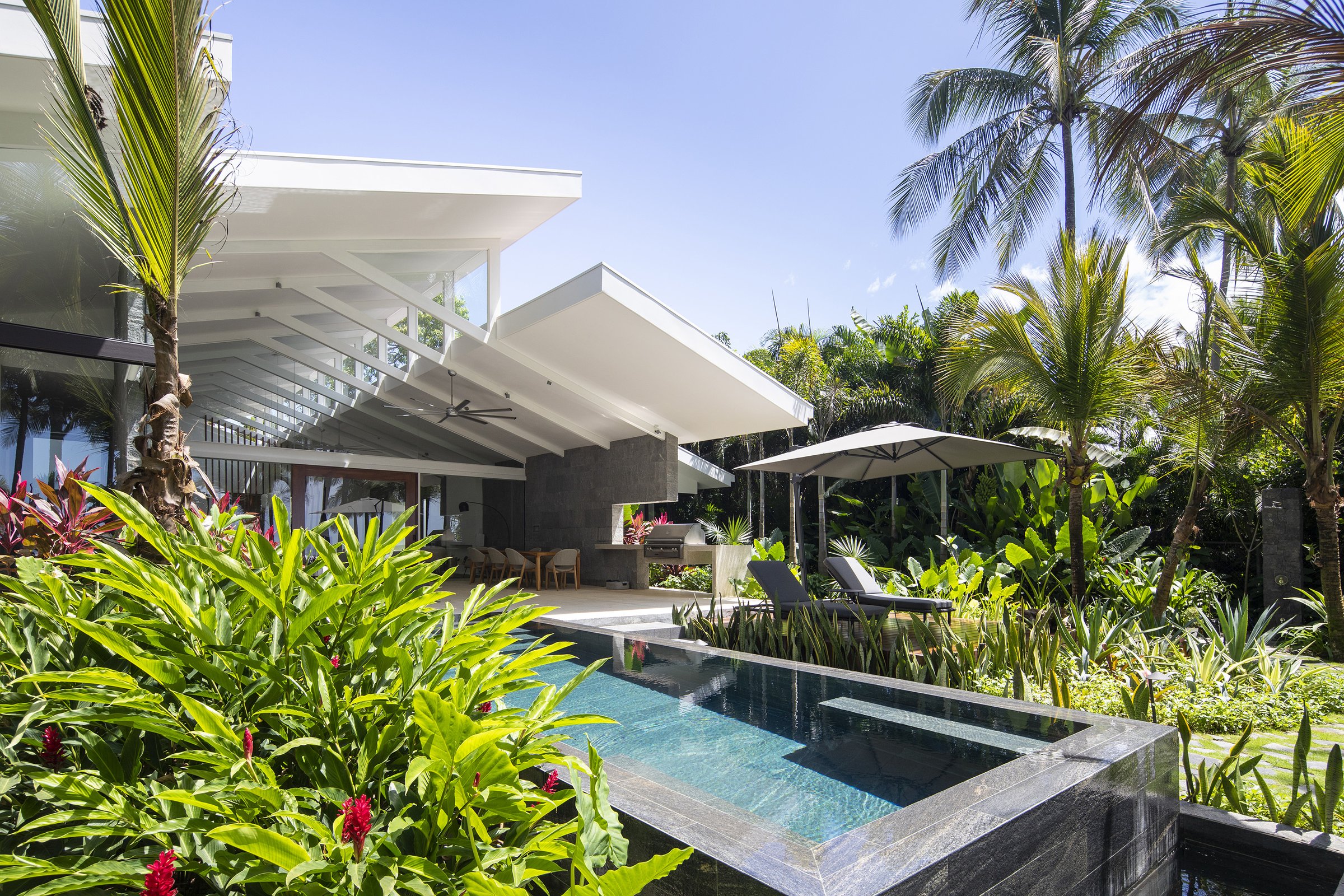
A single-level beachfront home organised around an asymmetric barn roof with a full-length clerestory ridge for passive ventilation, two parallel stone walls that extend beyond the building to frame distinct outdoor rooms, and a plan that opens without interruption from the arrival court to the beach.
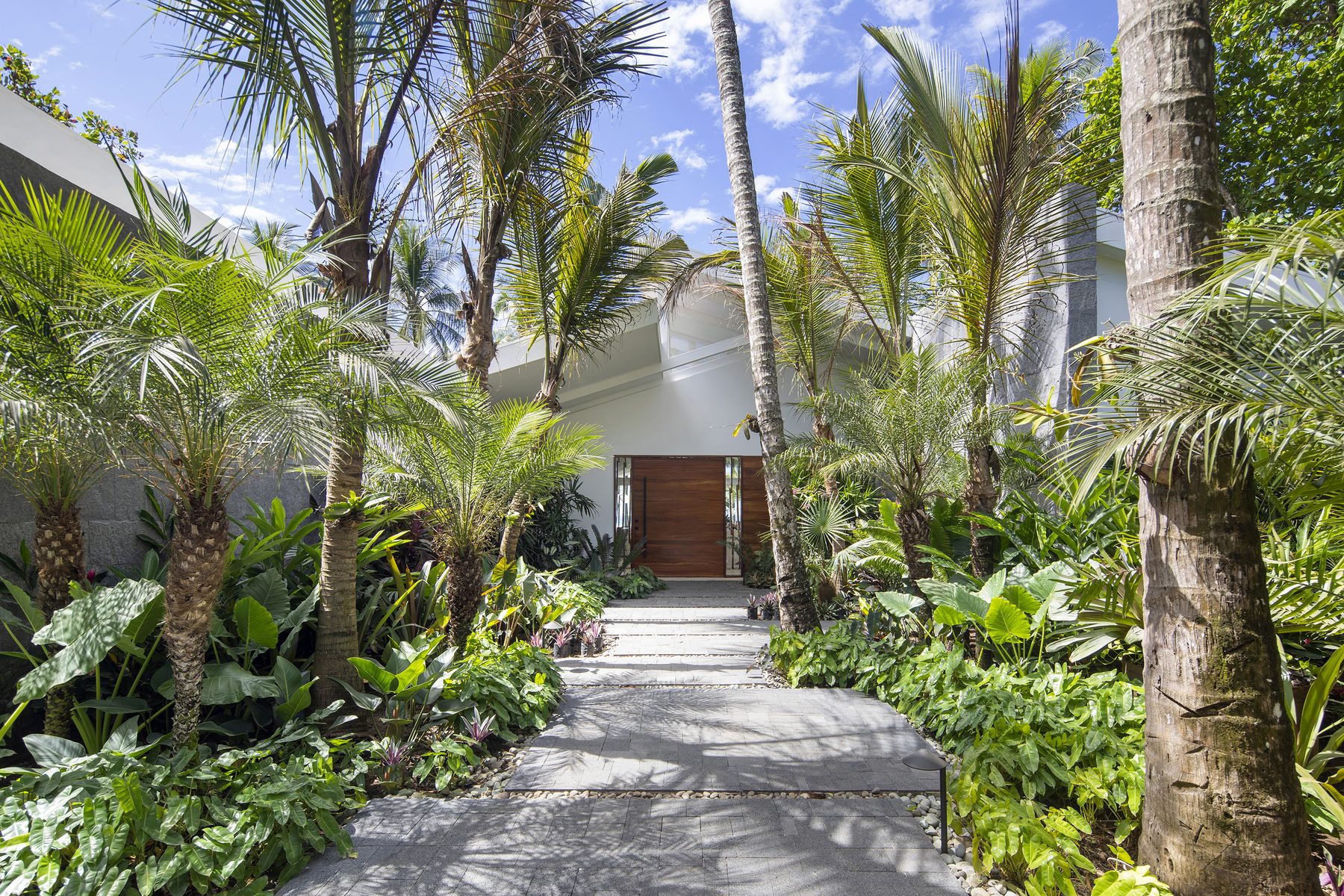
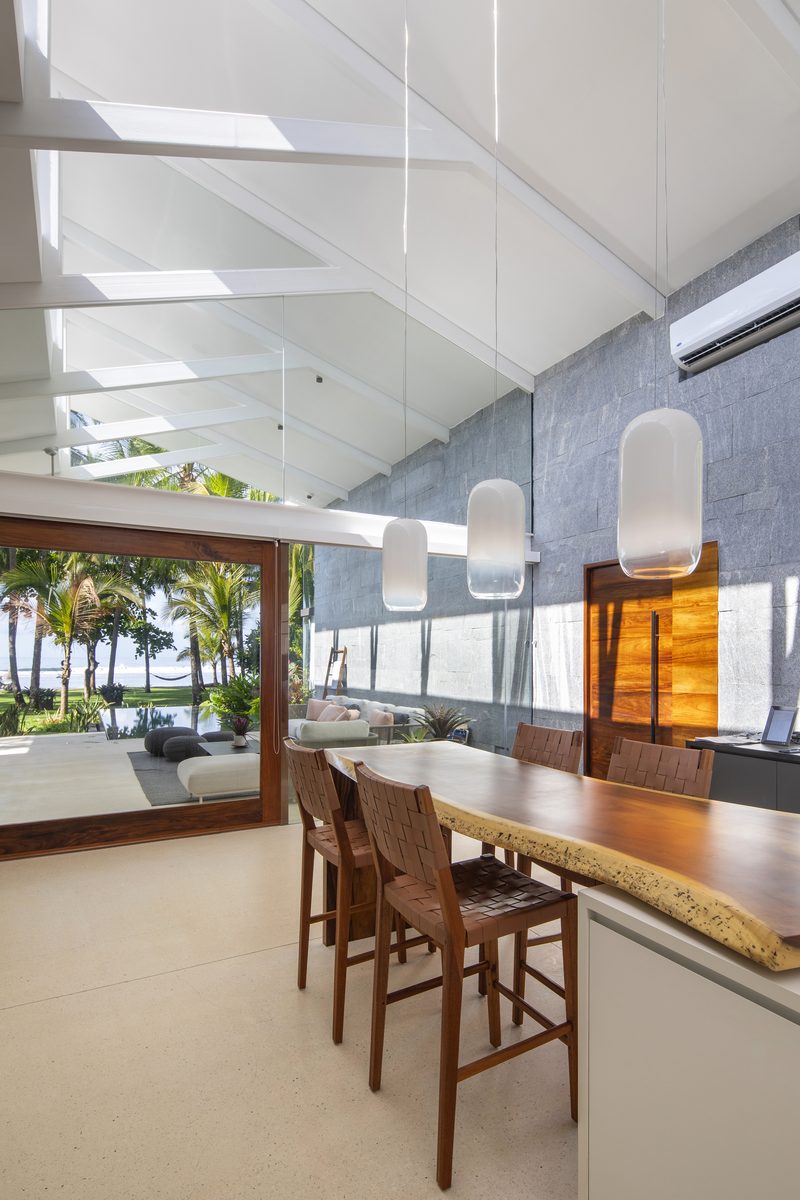
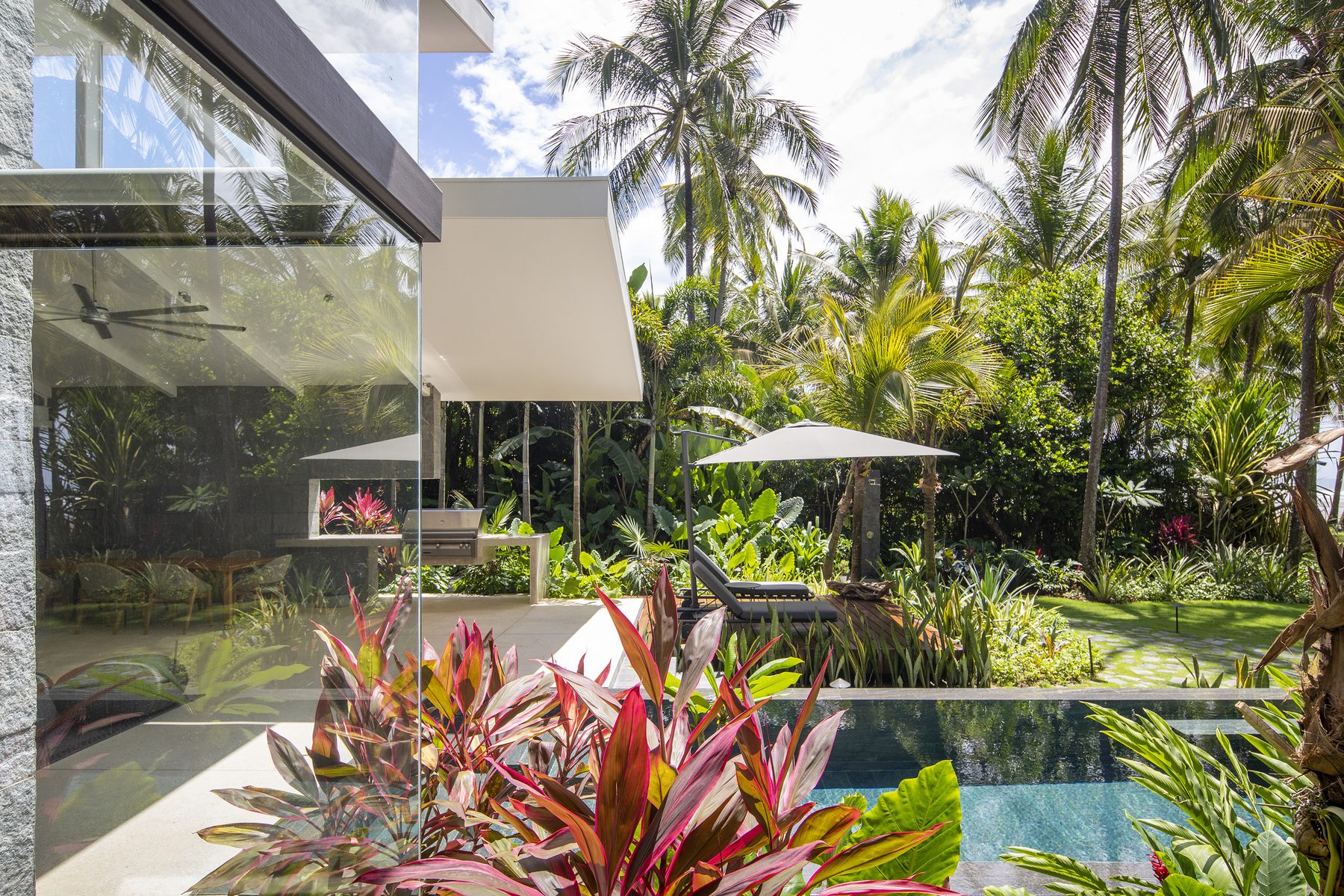
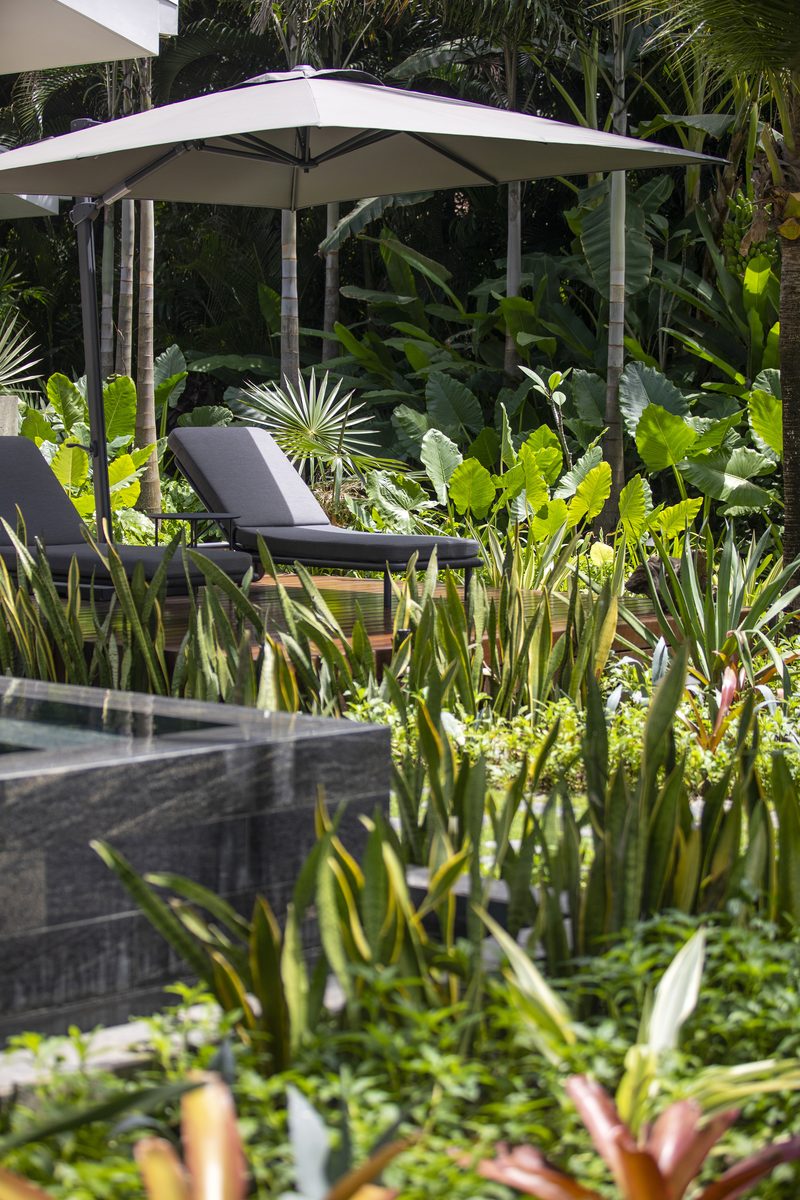
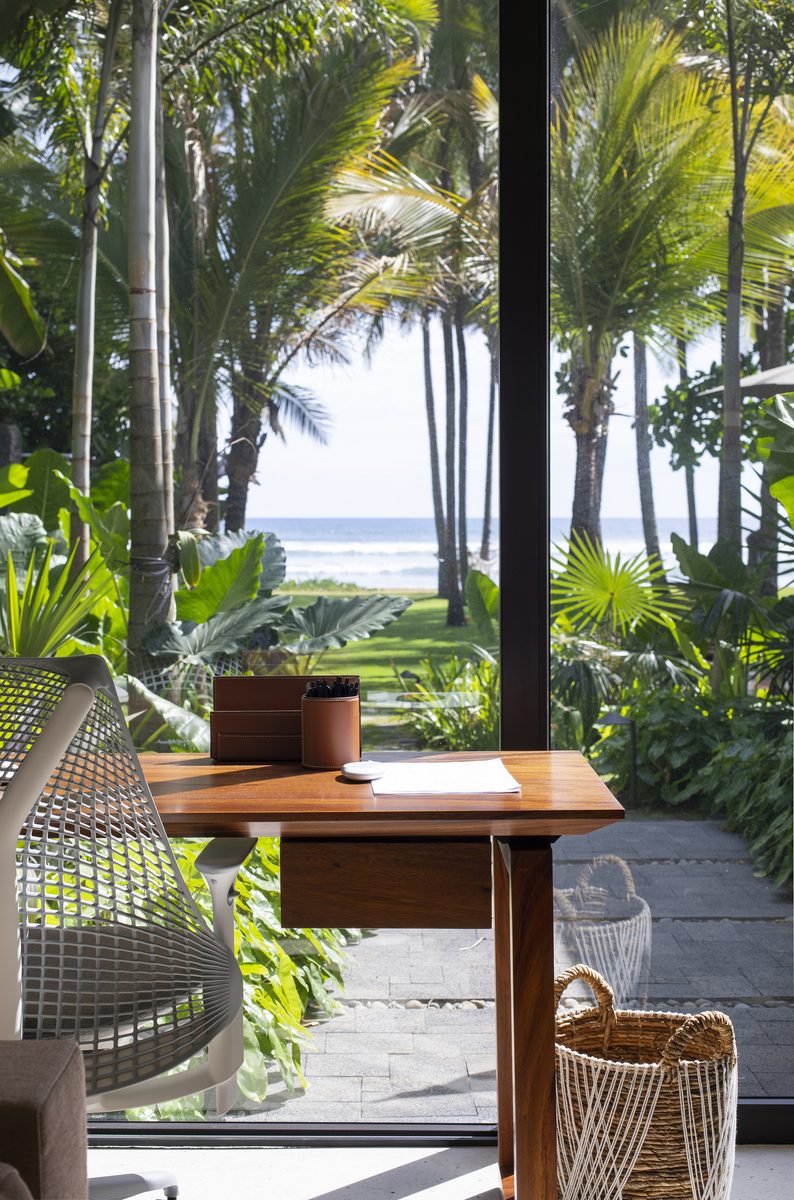
The clients chose their site on the Central Pacific Coast of Costa Rica for its direct access to the ocean and proximity to world-class fishing waters. What began as a vacation home became, along the way, a permanent residence — and with that shift came a deeper ambition: to create something that was genuinely rooted in its place. Inverse brought together international experience and local knowledge to realise a home that is sustainable, site-responsive, and quietly sophisticated, using a blend of imported and Costa Rican materials to produce something that feels both well-travelled and entirely at home. The lot is a generous rectangular piece of land right on the beach, level across its length with a gentle fall toward the water. A large grove of mature coconut palms occupies the site — home to visiting sloths and macaws — and these were carefully retained, forming a natural foreground to the ocean beyond. The owners asked for a single-level home that would flow without interruption between interior and exterior. From that brief emerged the central idea: a barn. A large, asymmetric roof rises to two different pitch heights on its north and south faces, creating a continuous clerestory window along the ridge. Morning sun pours in through this slot; hot air escapes upward through it by natural convection, drawing cooler air through the house and reducing the reliance on mechanical cooling.
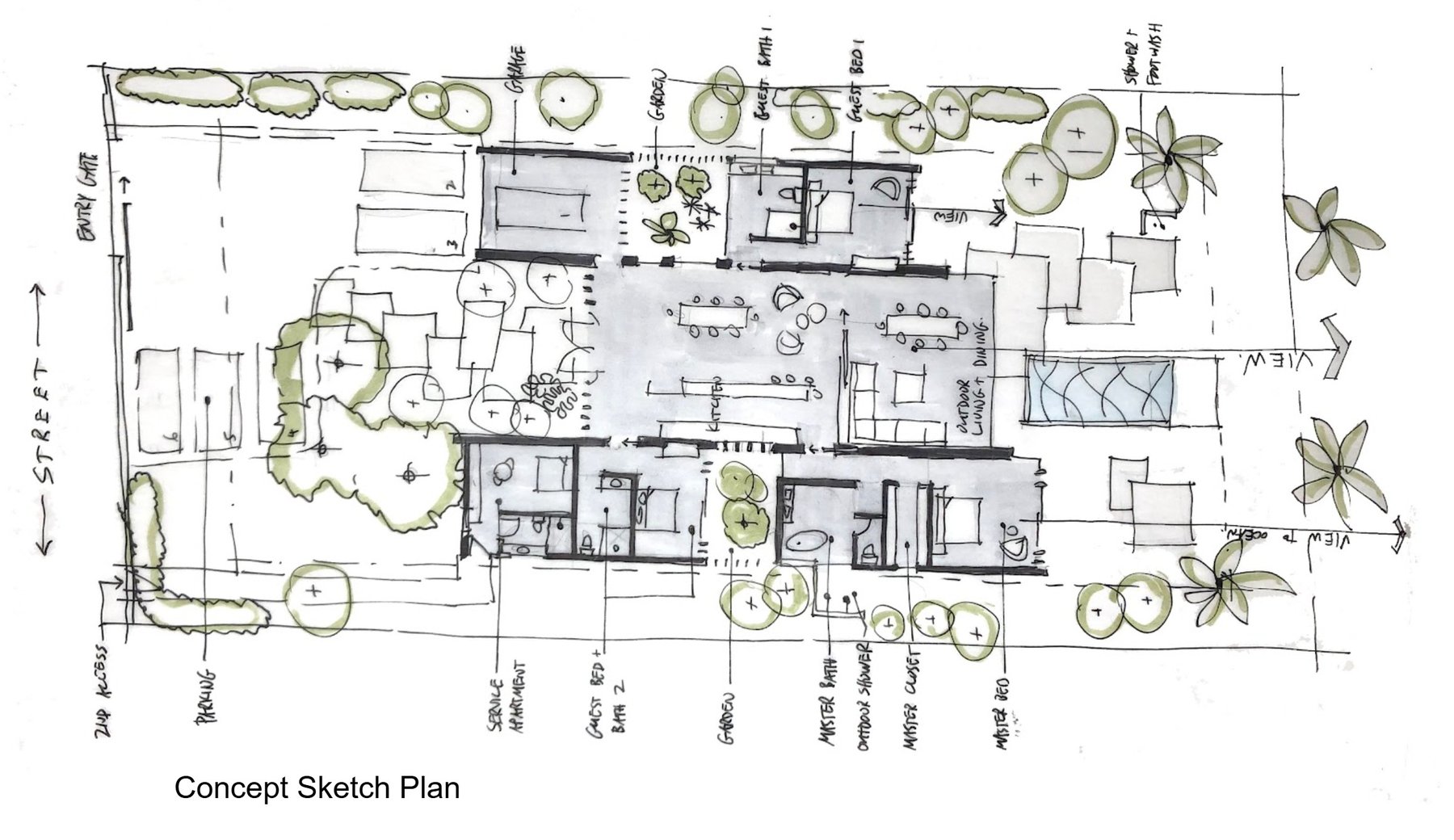
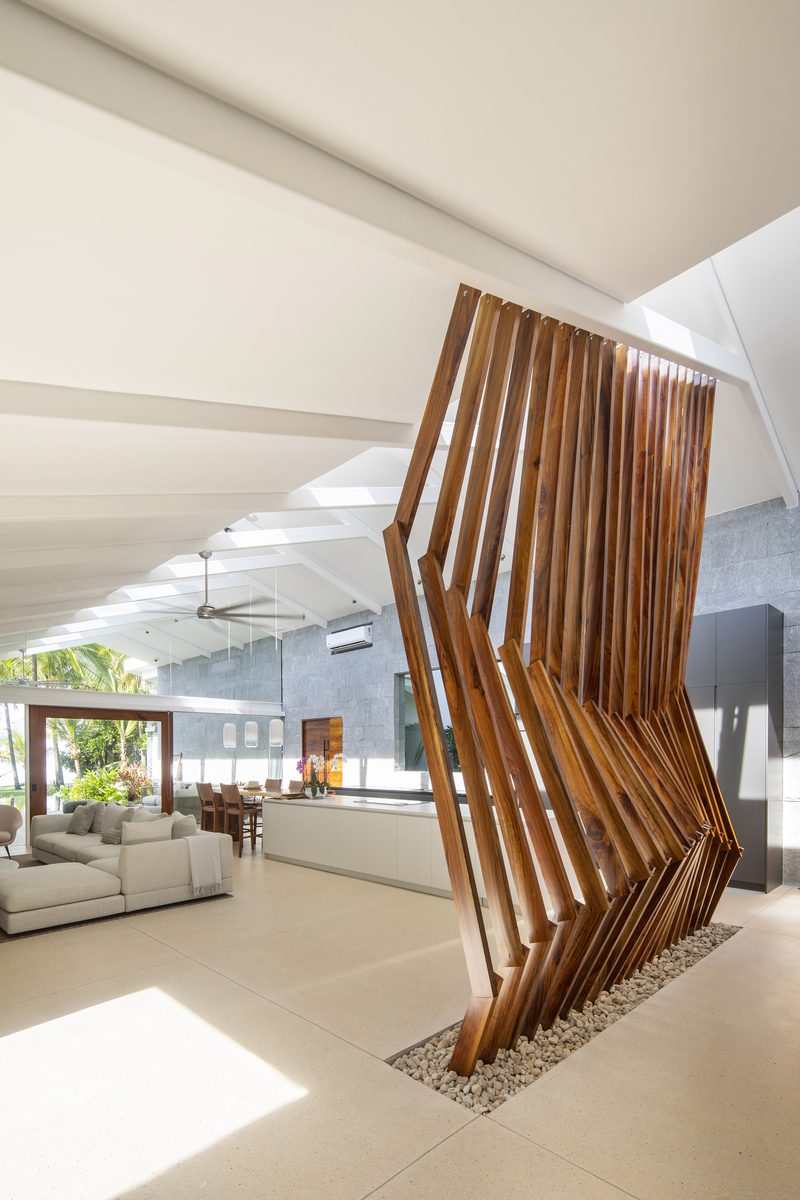
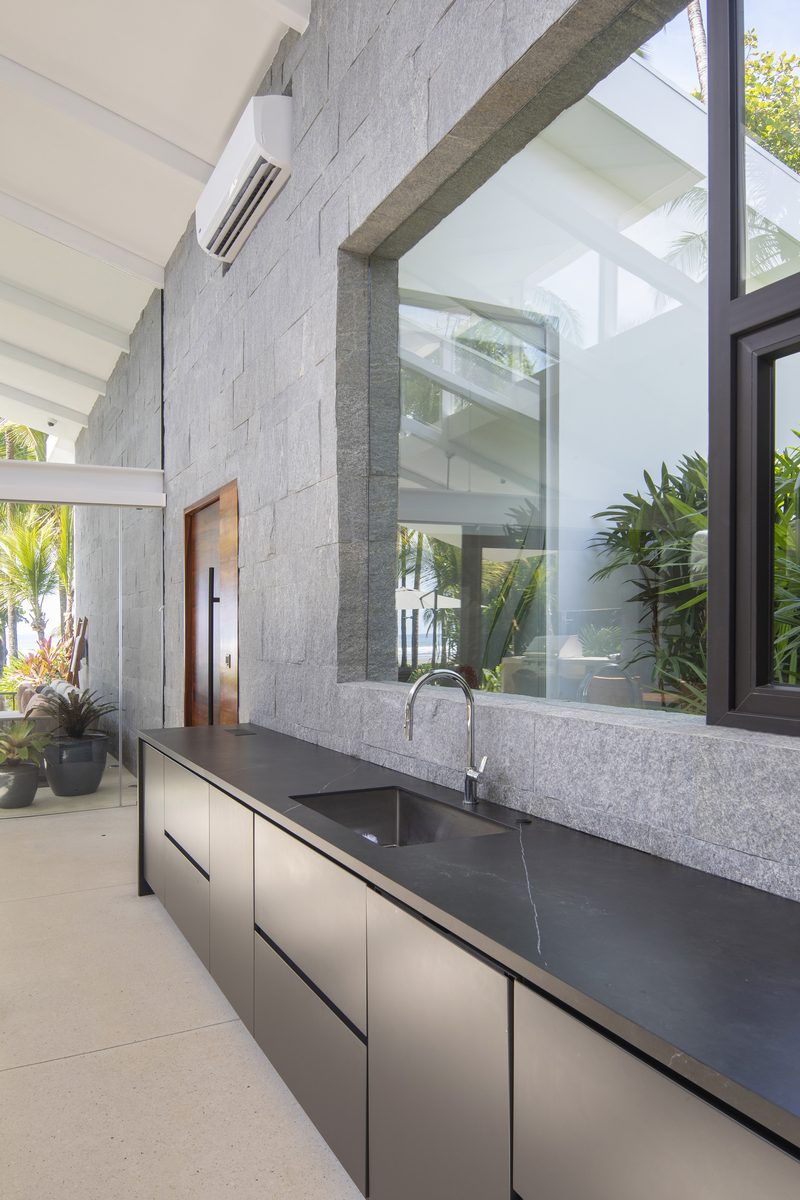
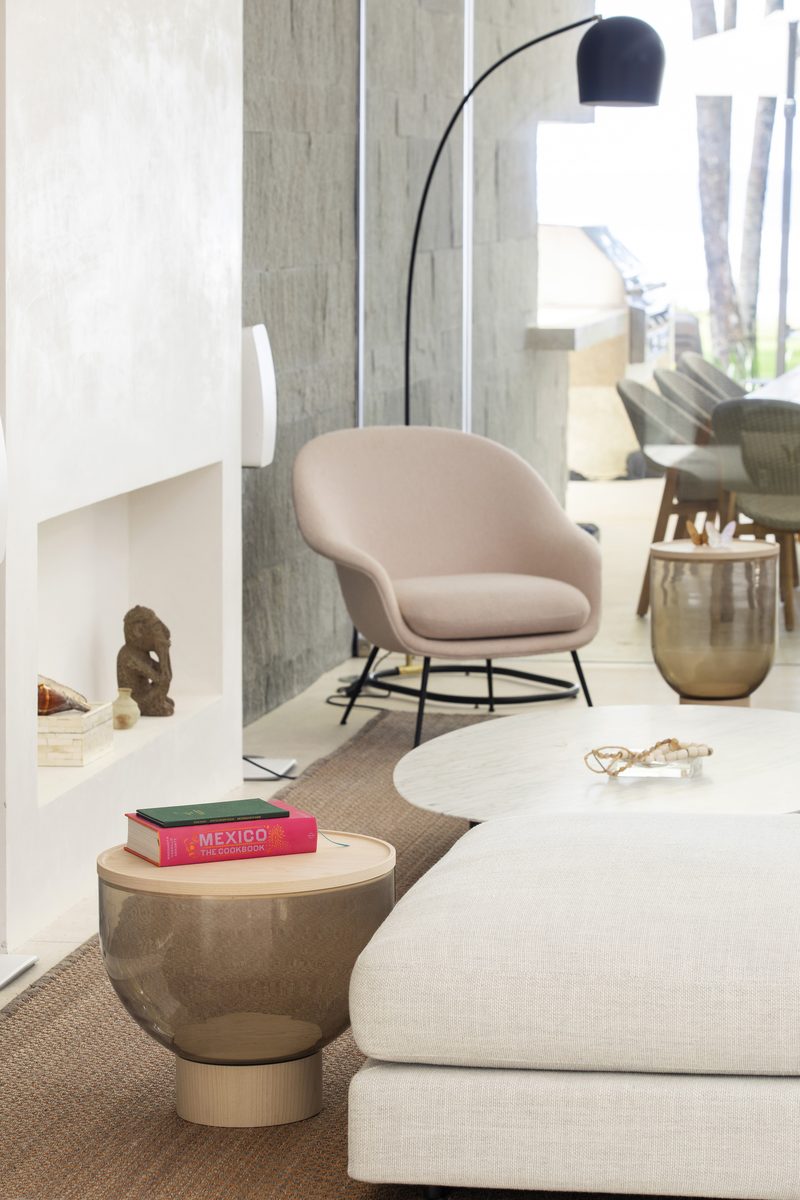
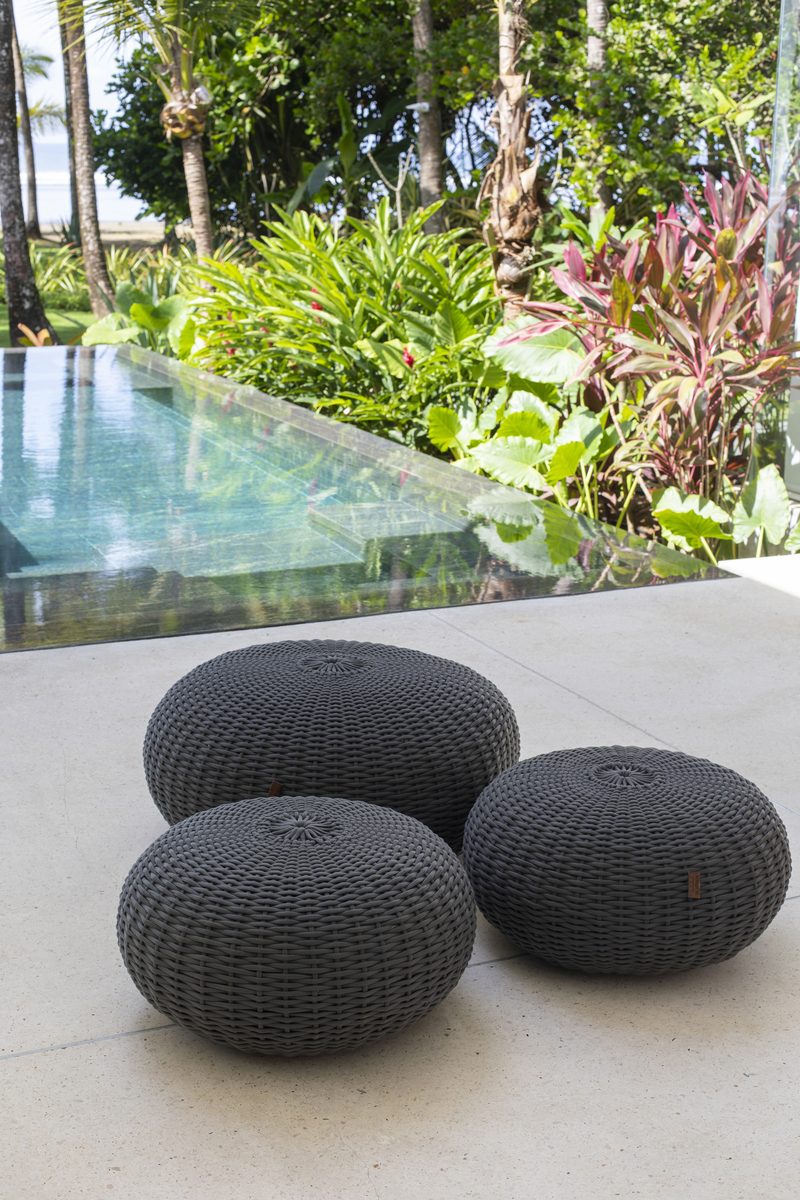
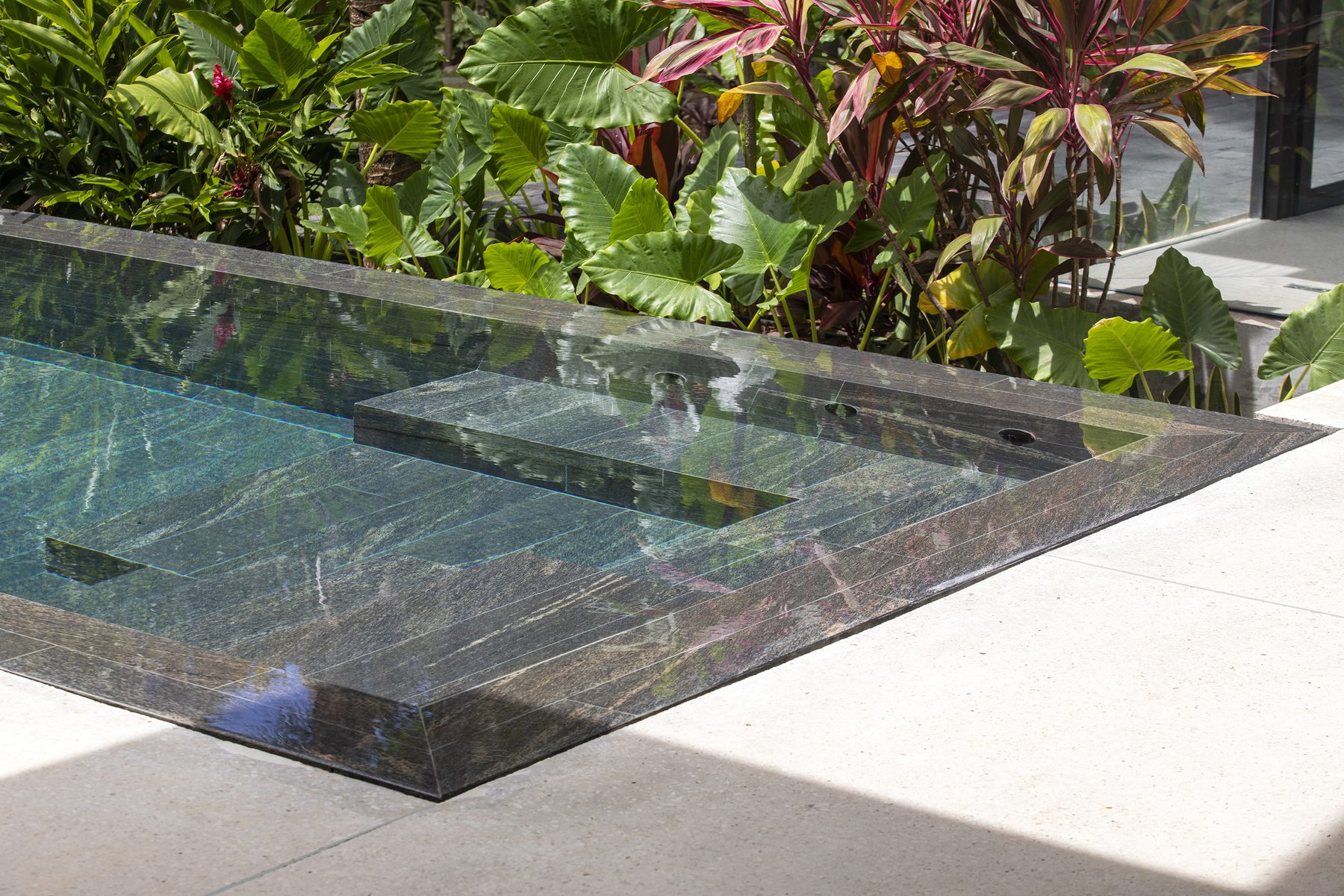
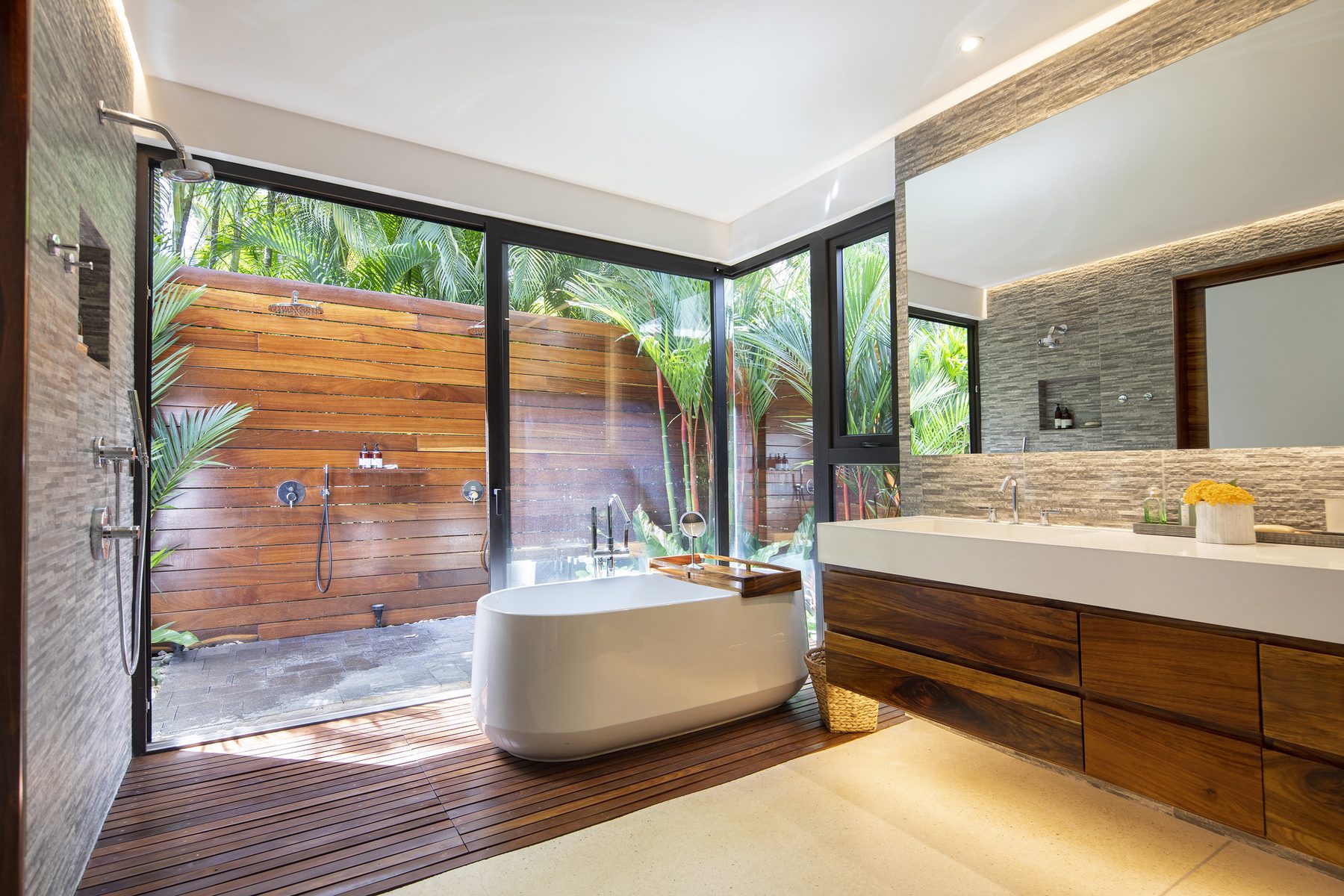
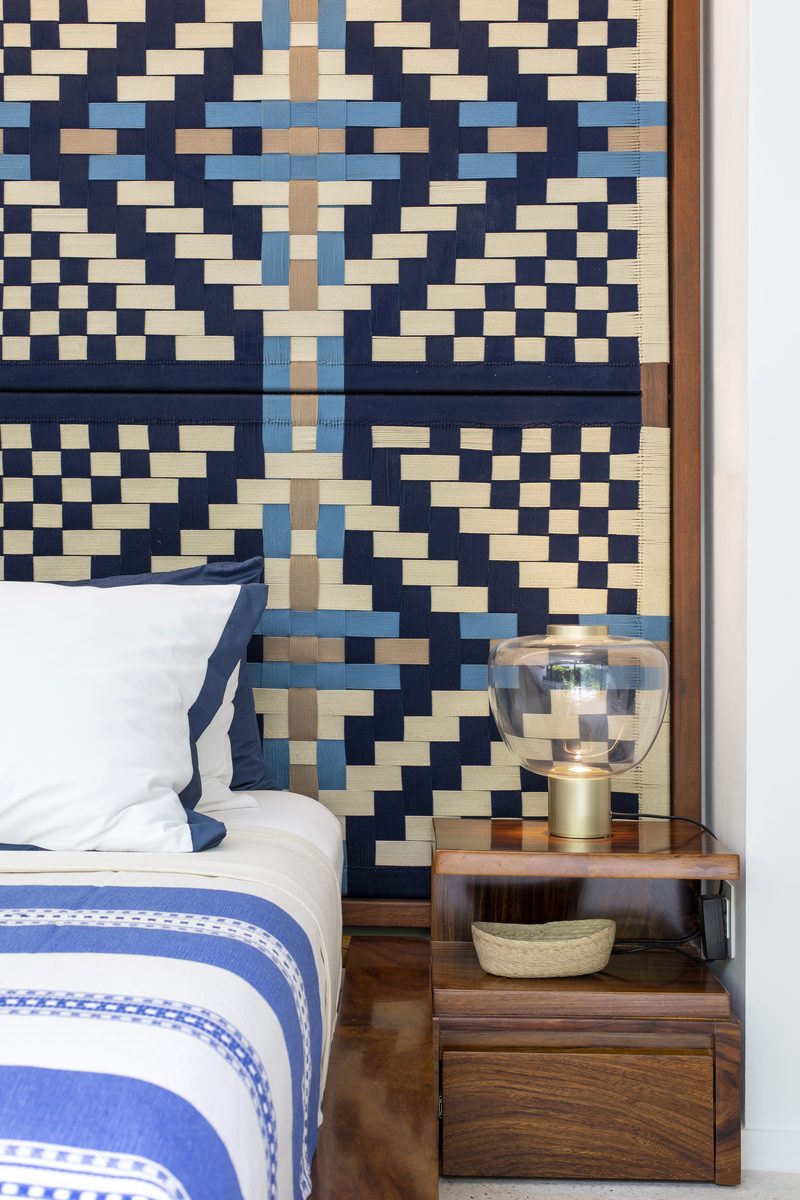
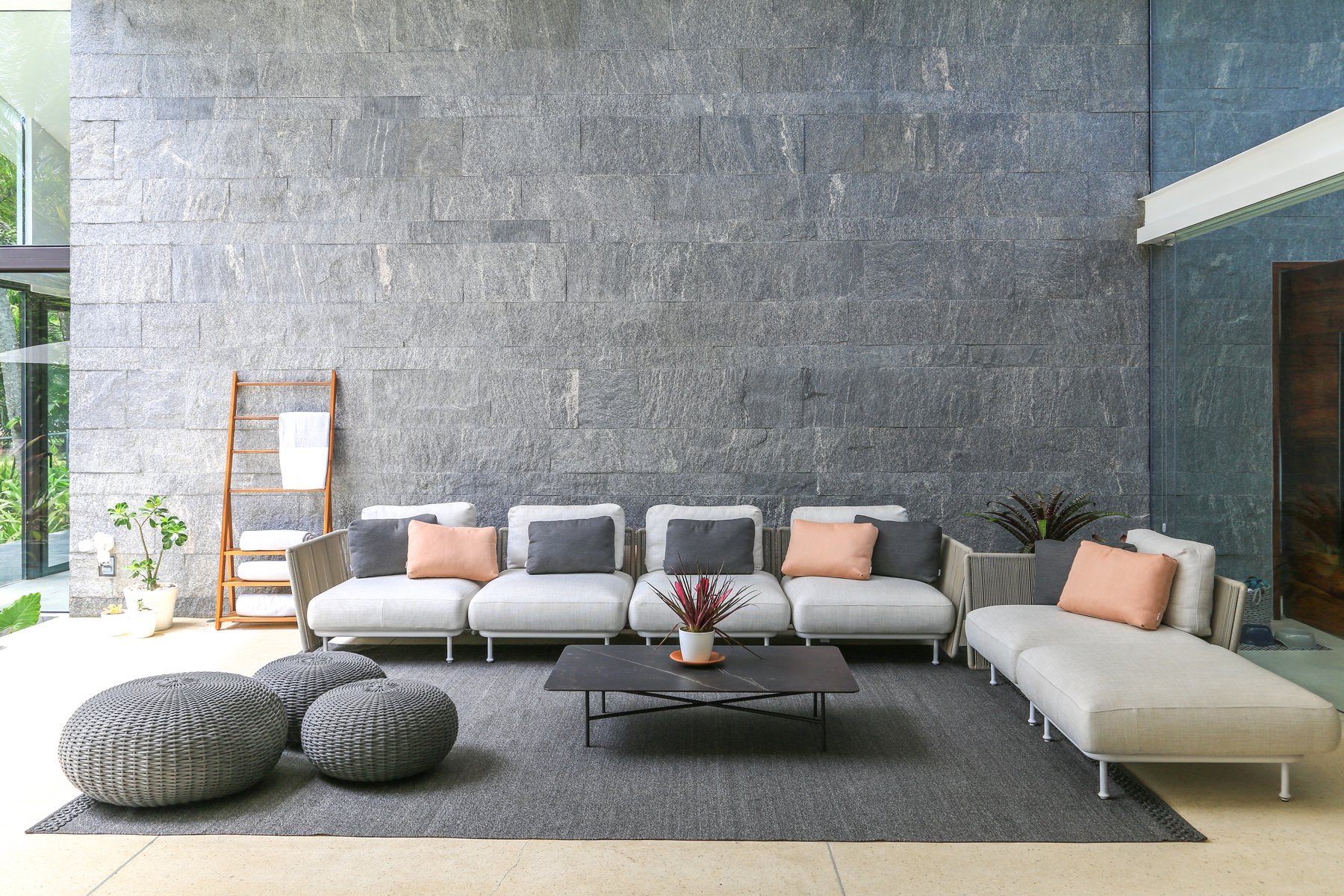
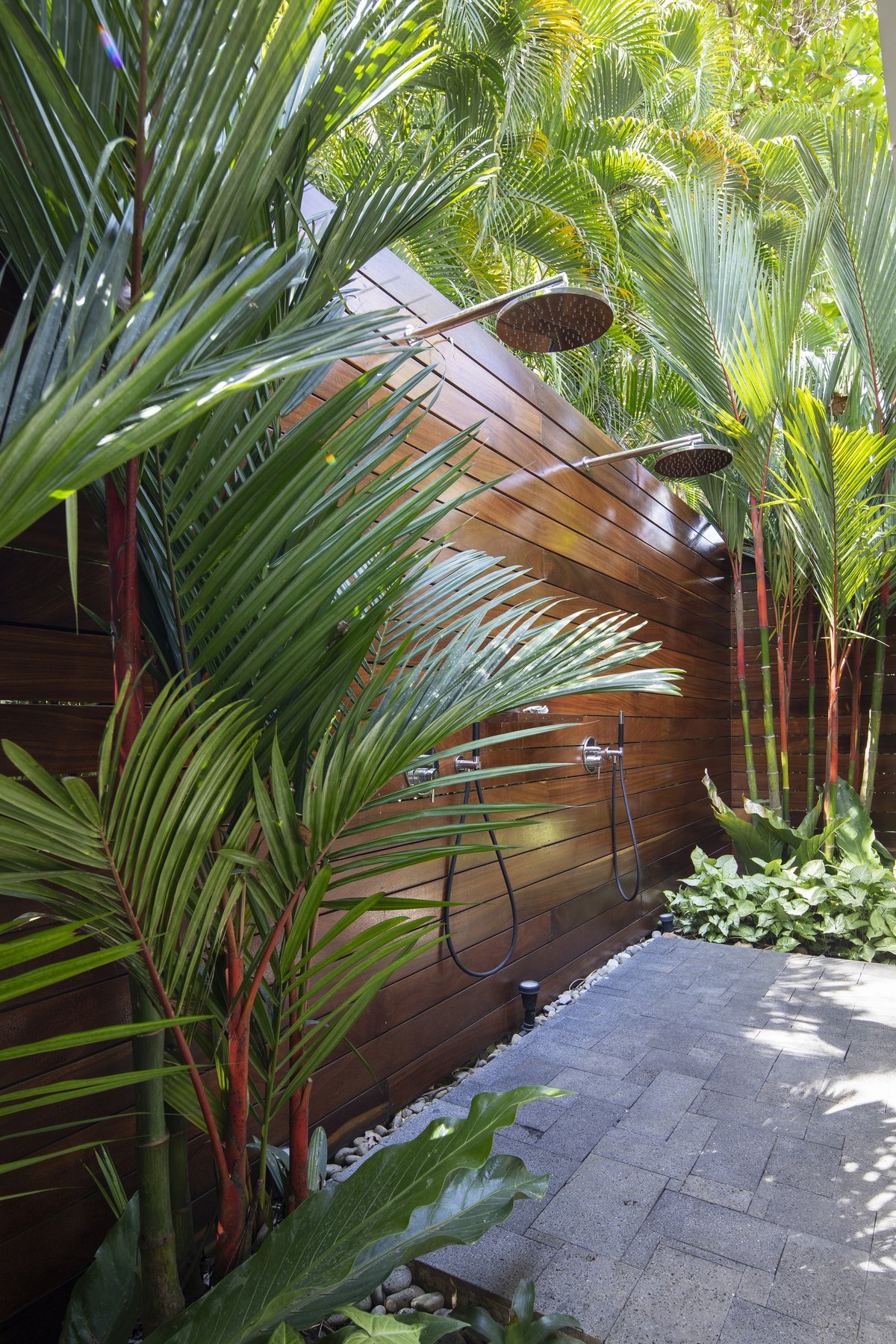
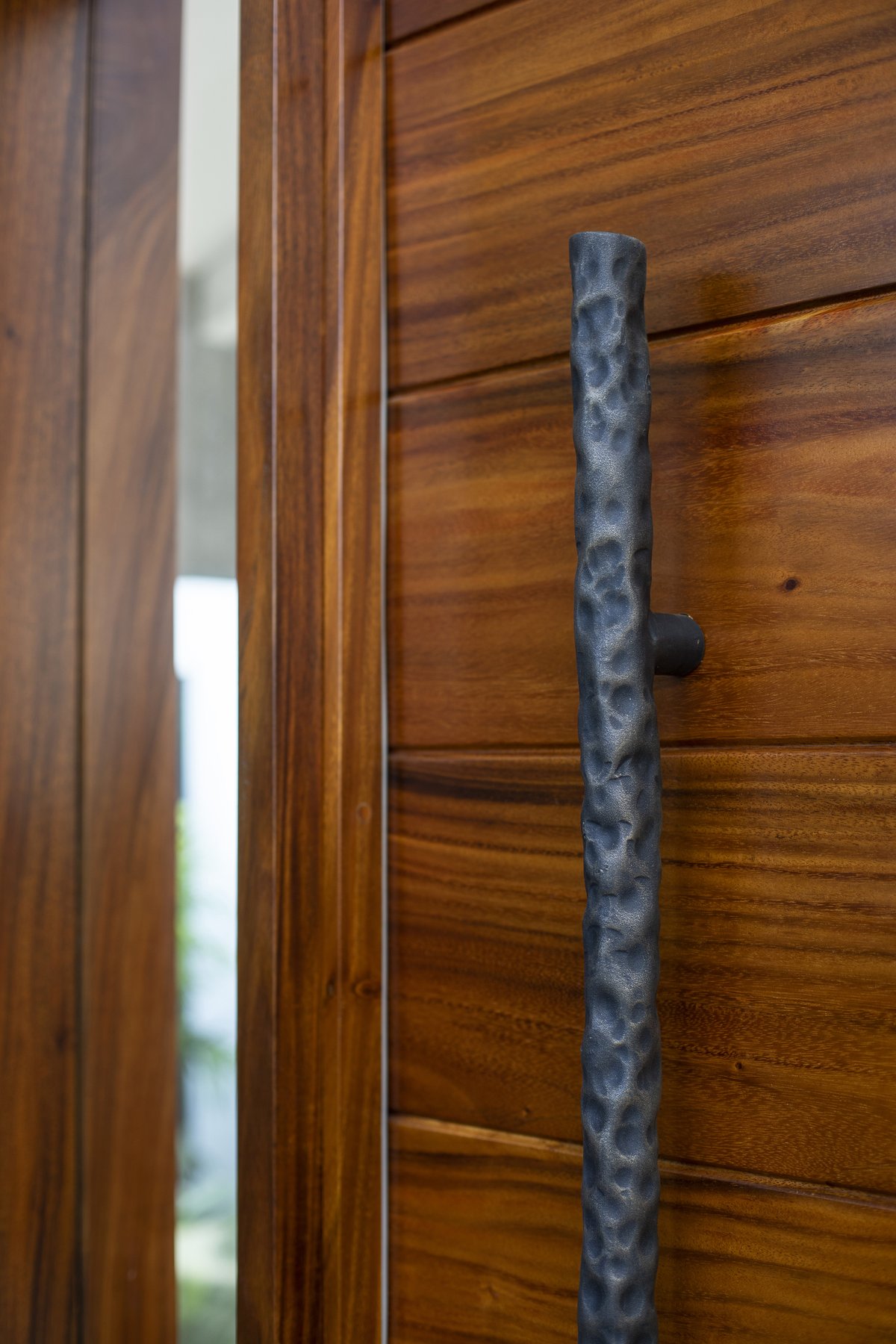
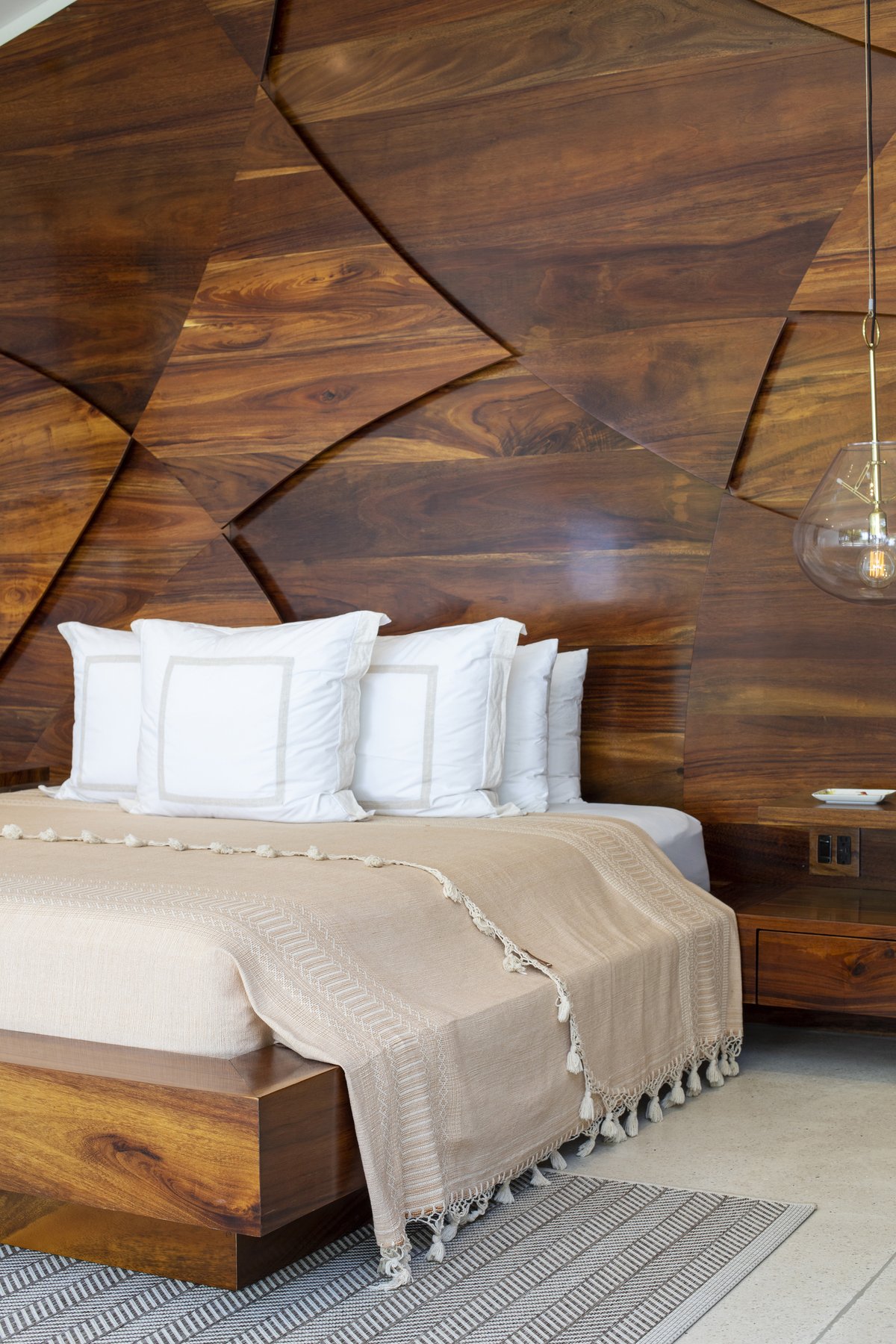
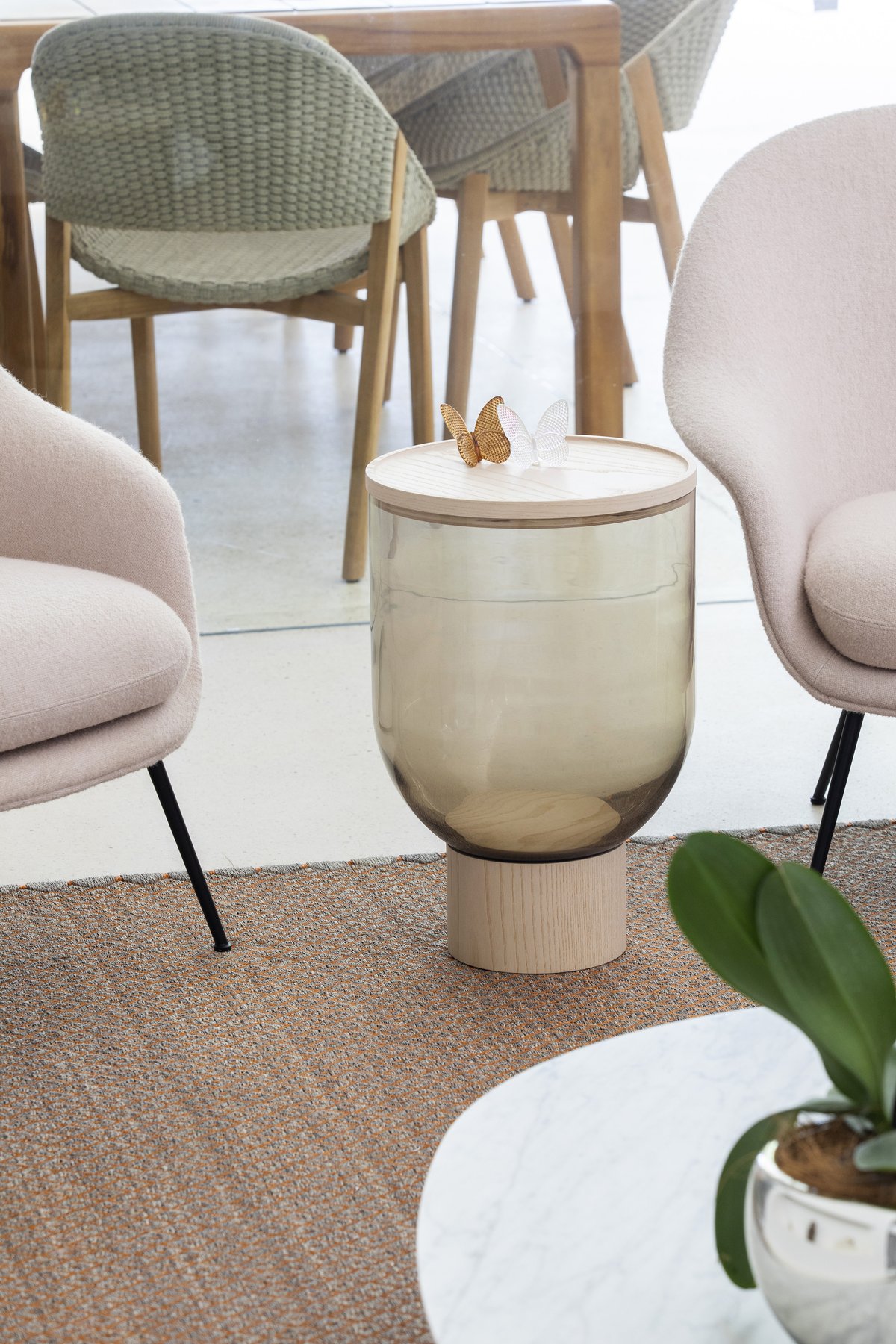
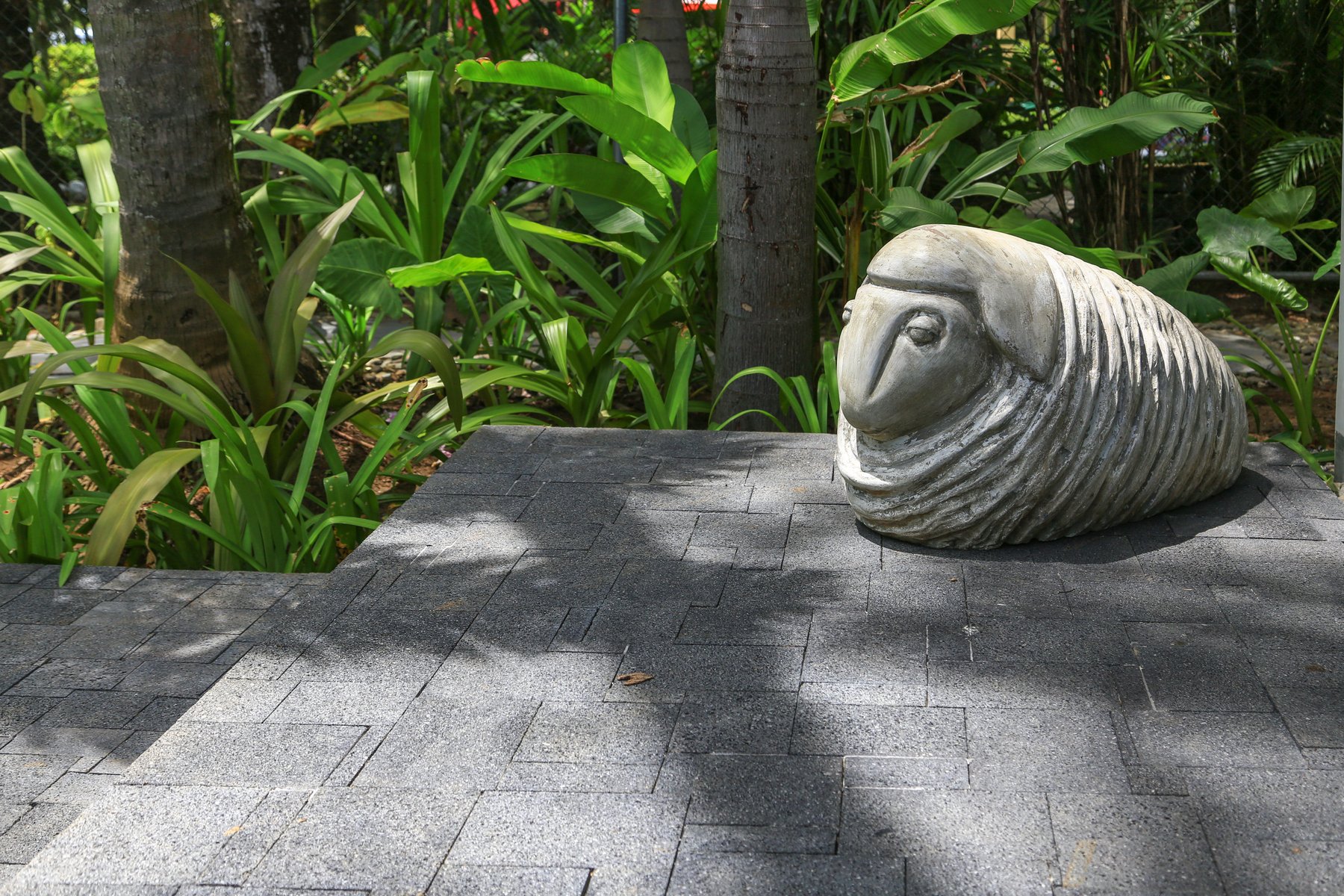
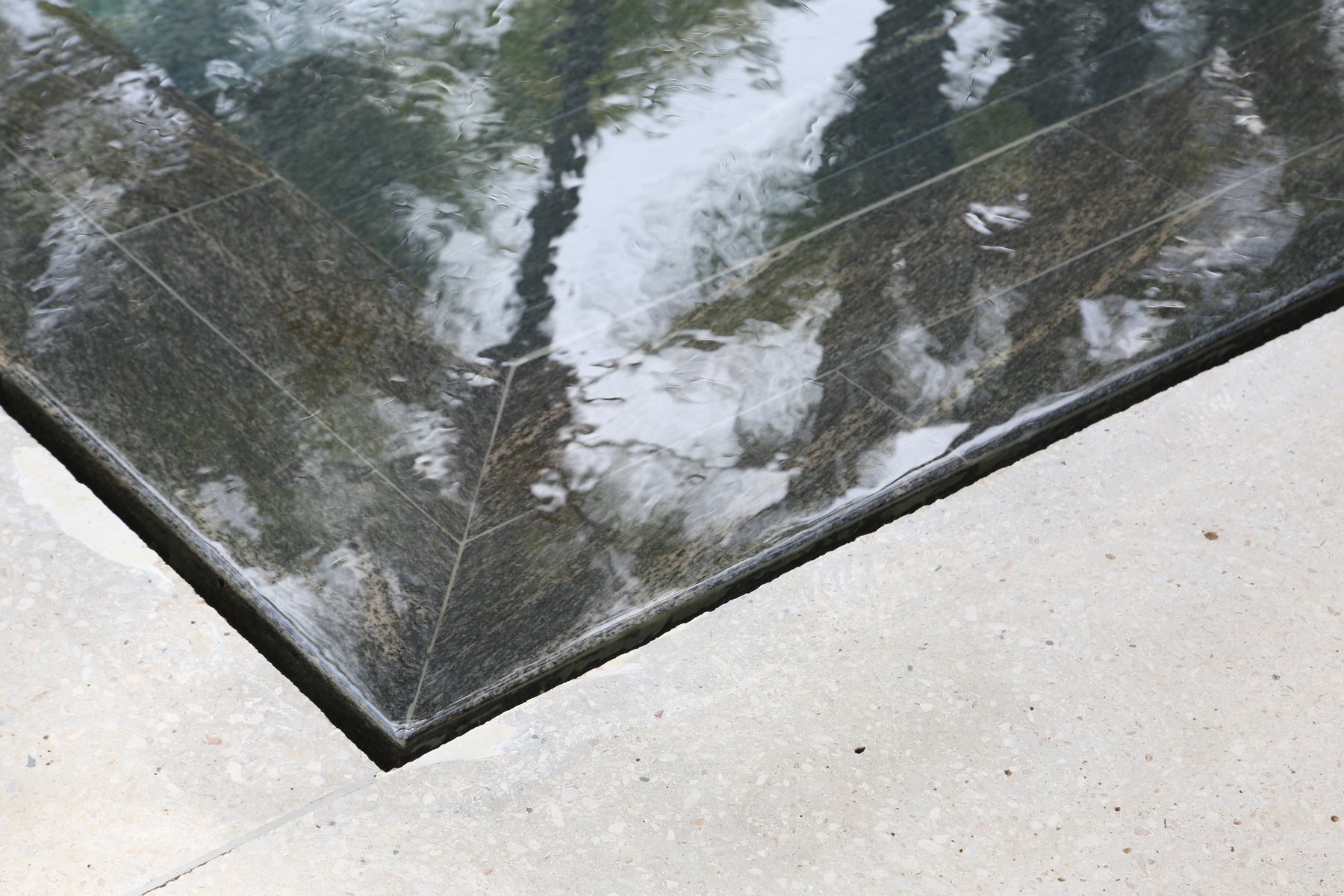
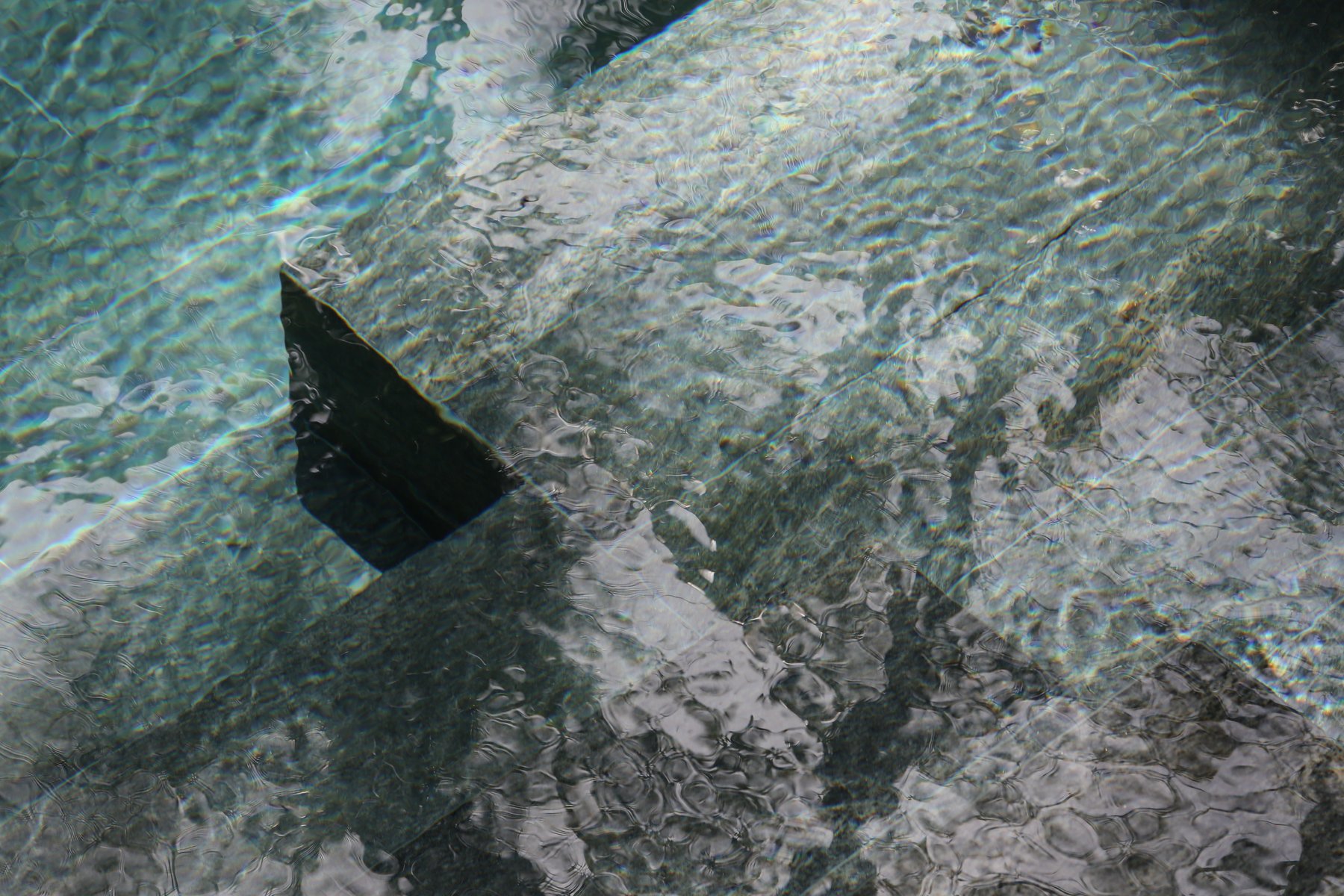
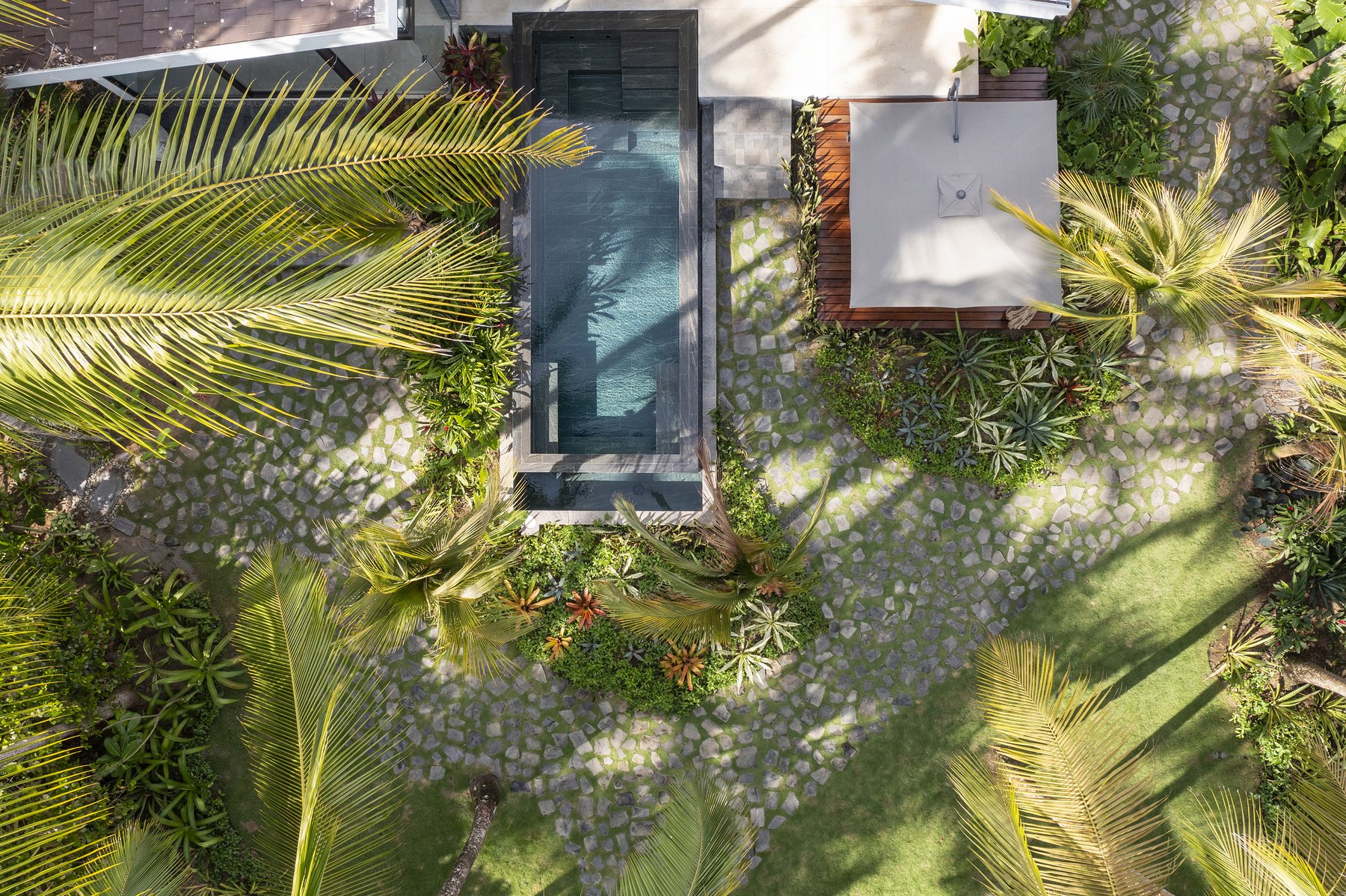
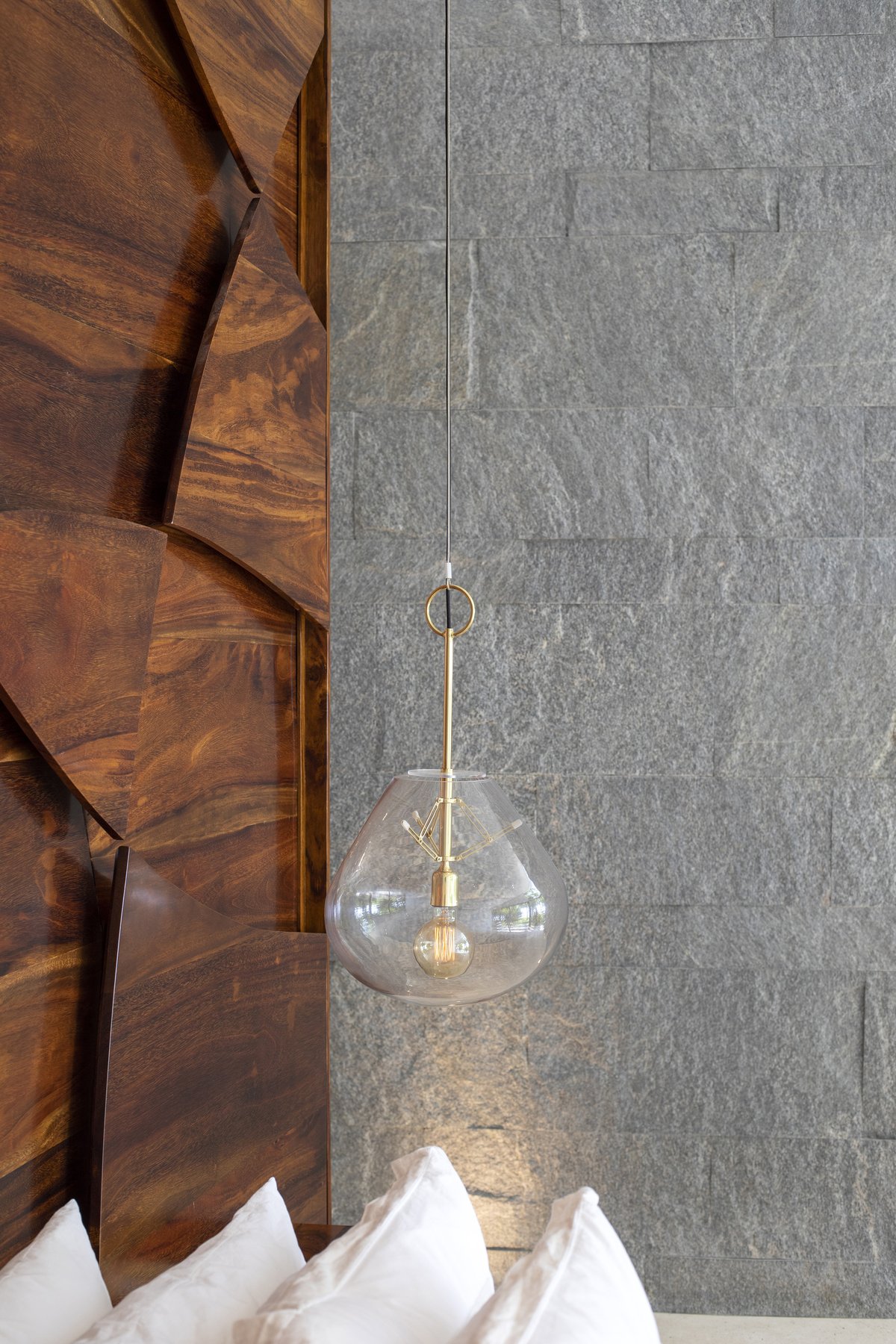
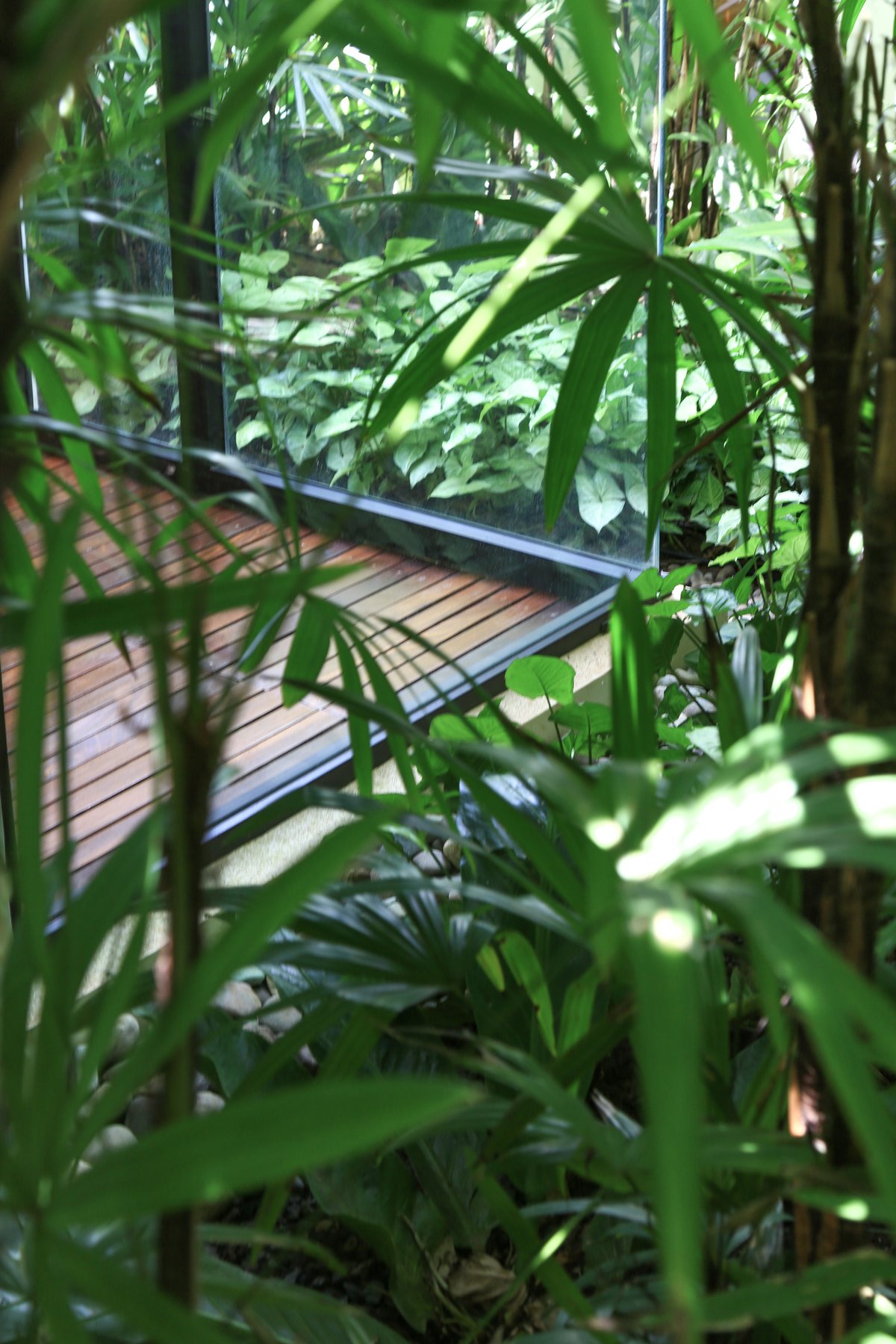
Two massive parallel stone walls run the full depth of the plan — from the arrival side of the site all the way to the beach — framing the central open living space beneath the barn roof. These walls do not stop at the building's edge. They extend outward beyond the central volume like arms reaching toward the landscape, shaping two distinct outdoor rooms on either end: a sheltered arrival courtyard at the entry, and a generous terrace on the ocean side that opens to outdoor dining, a living area, a BBQ kitchen, and a saltwater infinity pool. The pool's edge is set perfectly level with the interior floor, so that from inside, water and ocean dissolve into a single plane — a mirror of blue that shifts with the light and catches the evening sun as it drops toward the Pacific. Entry to the home is through a large pivot door in guanacaste timber, its long handle custom-forged by a local metalworker to resemble a piece of driftwood found on the beach. Inside, a sixteen-foot sculpted wooden screen — designed using parametric software and shaped into an abstraction of a breaking wave — separates the entry from the open living space, giving a first moment of pause before the ocean view opens ahead. The two stone walls that anchor the plan are clad in large-format Gneiss, grazed by floor-mounted uplights that trace every texture and throw soft indirect light across the ceilings above. Four bedroom and utility volumes are positioned outward from the central hall, pulled apart from each other to open garden courtyards between them, drawing greenery and changing light deeper into the plan. Throughout, the nautical thread continues quietly. The master bedroom wall is lined in guanacaste timber panels shaped from the concentric ripples a raindrop makes on water, and the bedside pendants echo the form of the drop itself. Floors are polished structural slab — the concrete mixed with fifty percent white cement aggregate, giving the surface a pale, sand-like quality underfoot. Roofs are flat clay tile, which fall silent in the frequent rains. Solar hot water panels sit on the roof. Lighting throughout is dimmable LED, designed for indirect ambience with carefully selected decorative pendants and floor lamps. The landscape, designed by Vida, weaves the house back into the site with a lush tropical garden of local species, local stone hardscape, and a lighting strategy that accents palms, walls, and planting as the evening falls.
Concept & Process
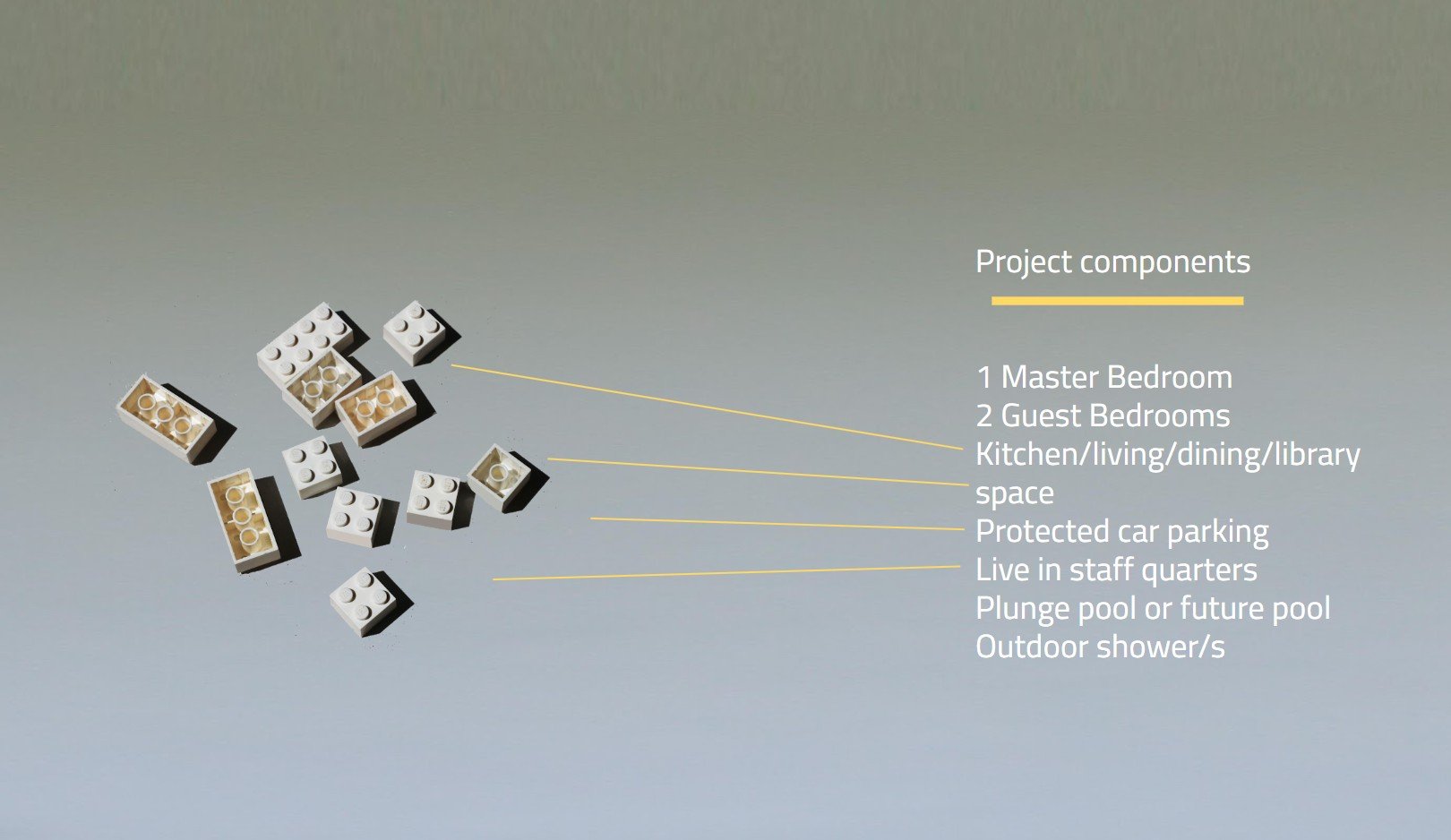
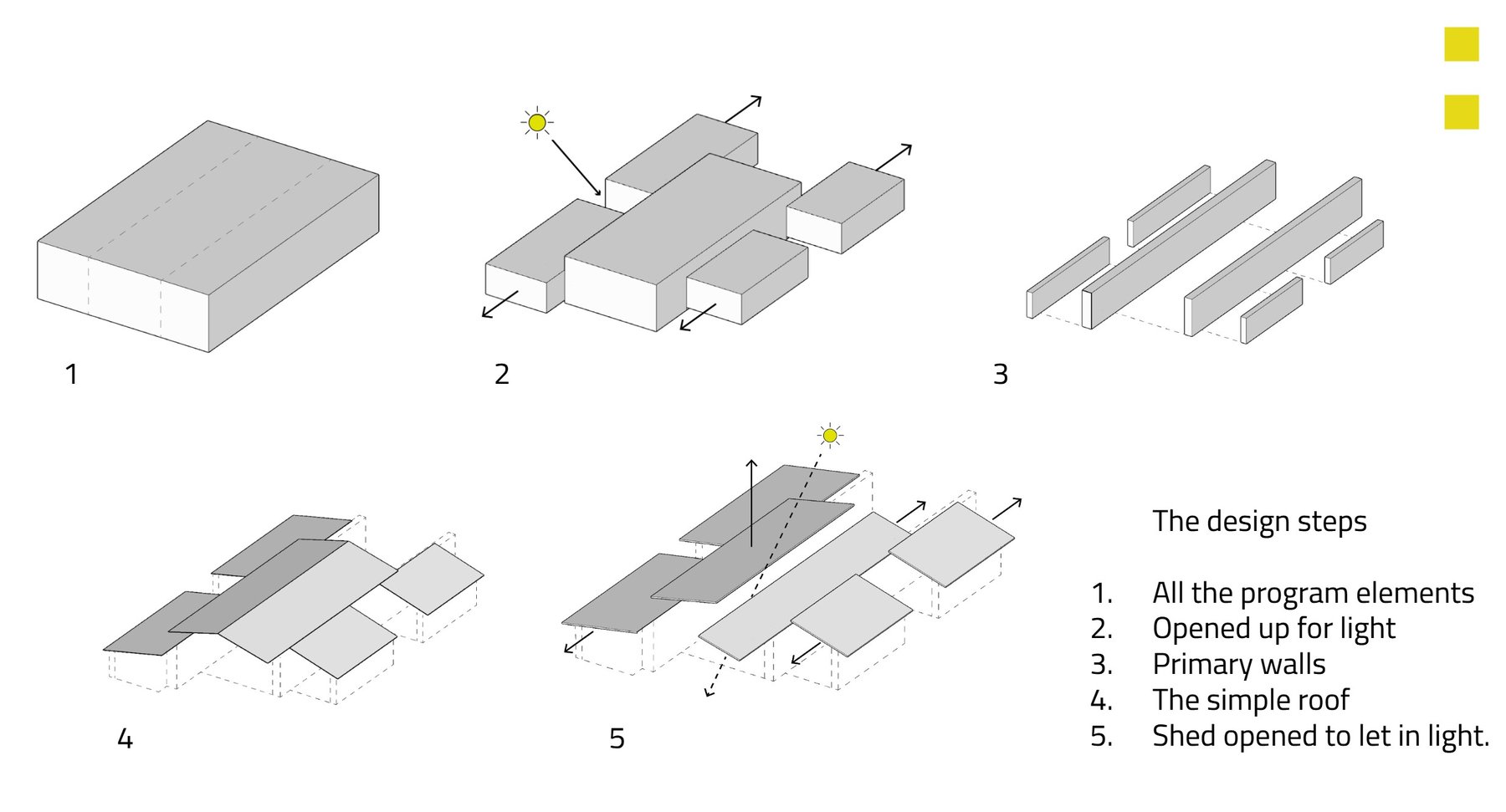
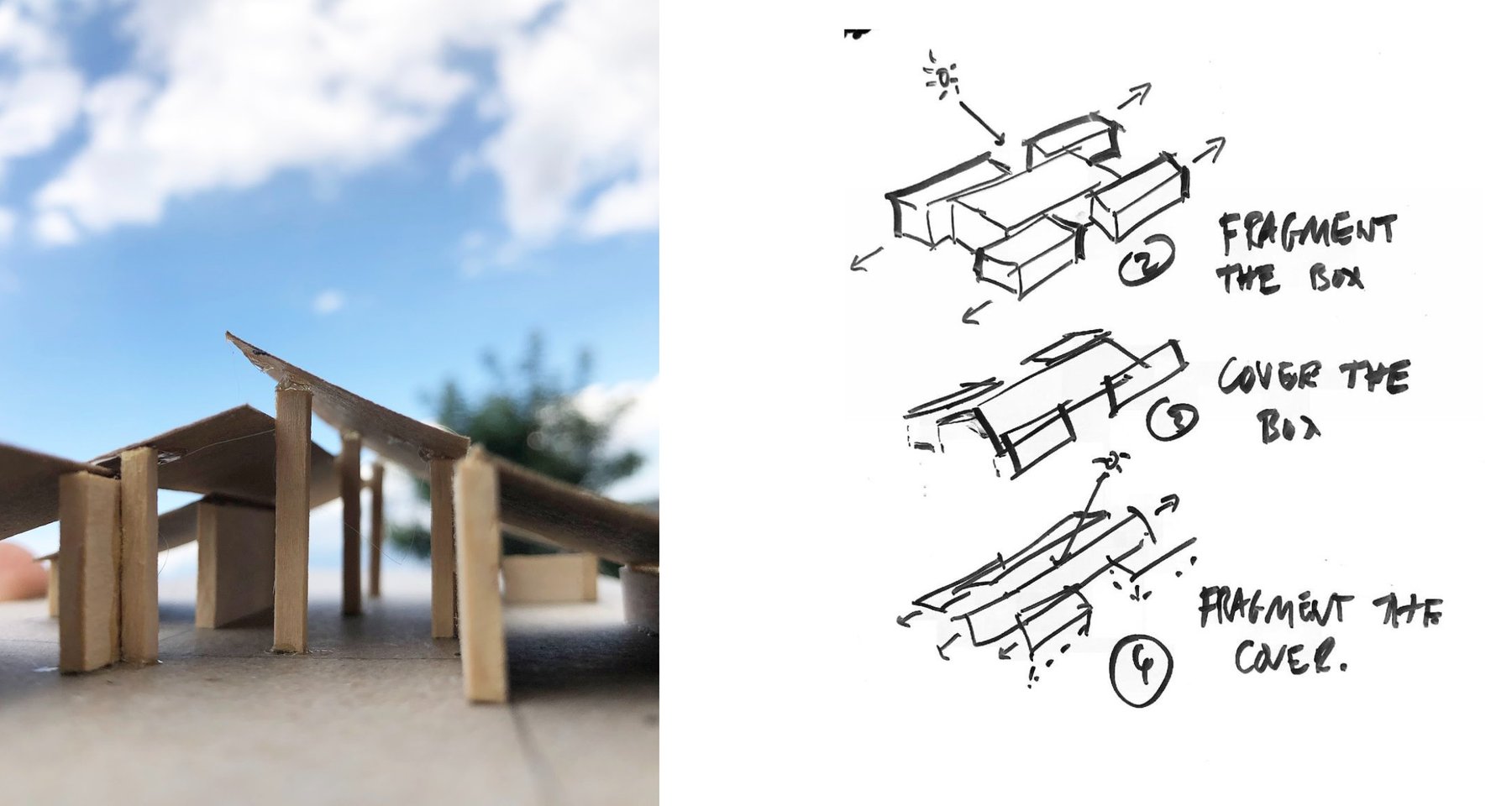
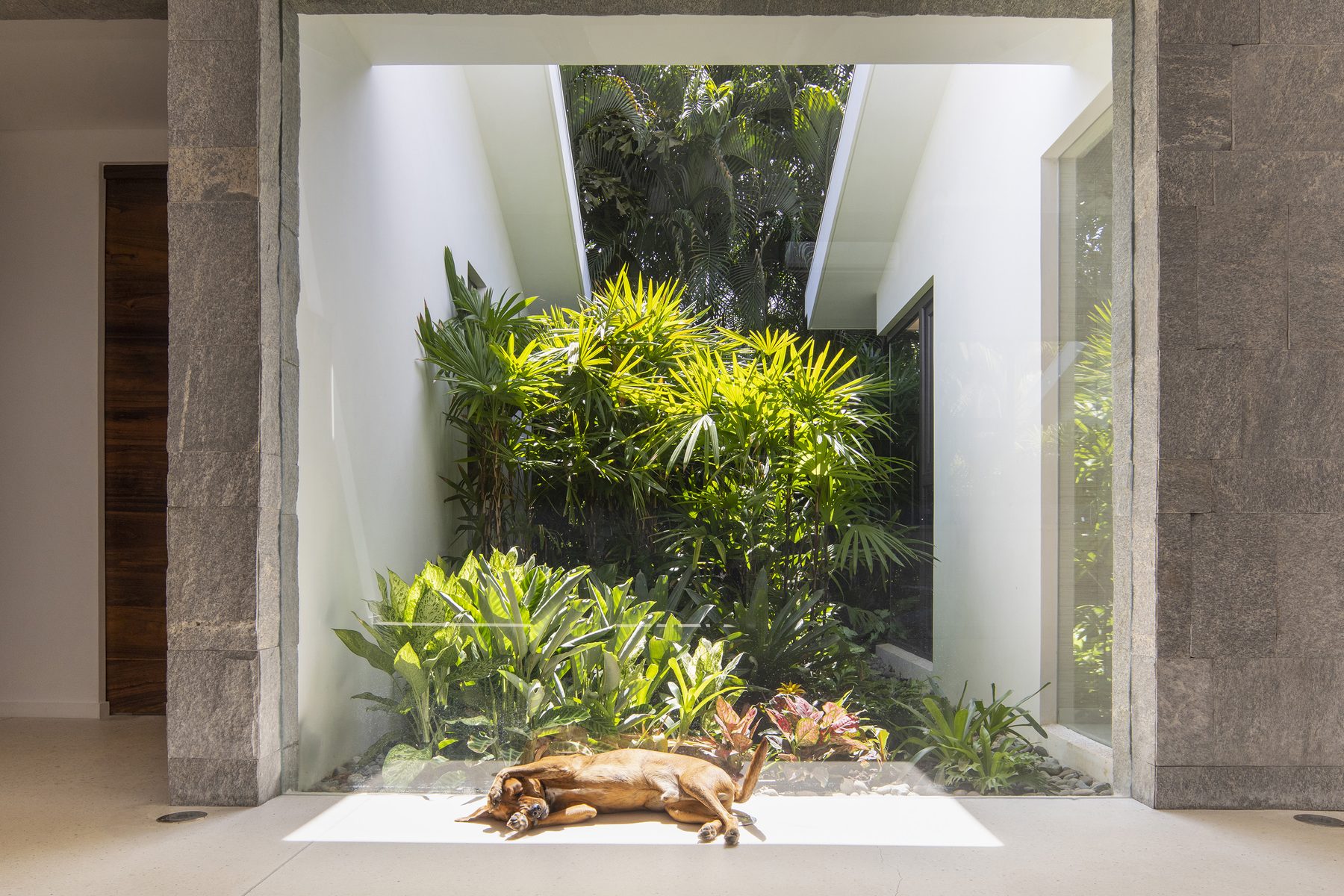
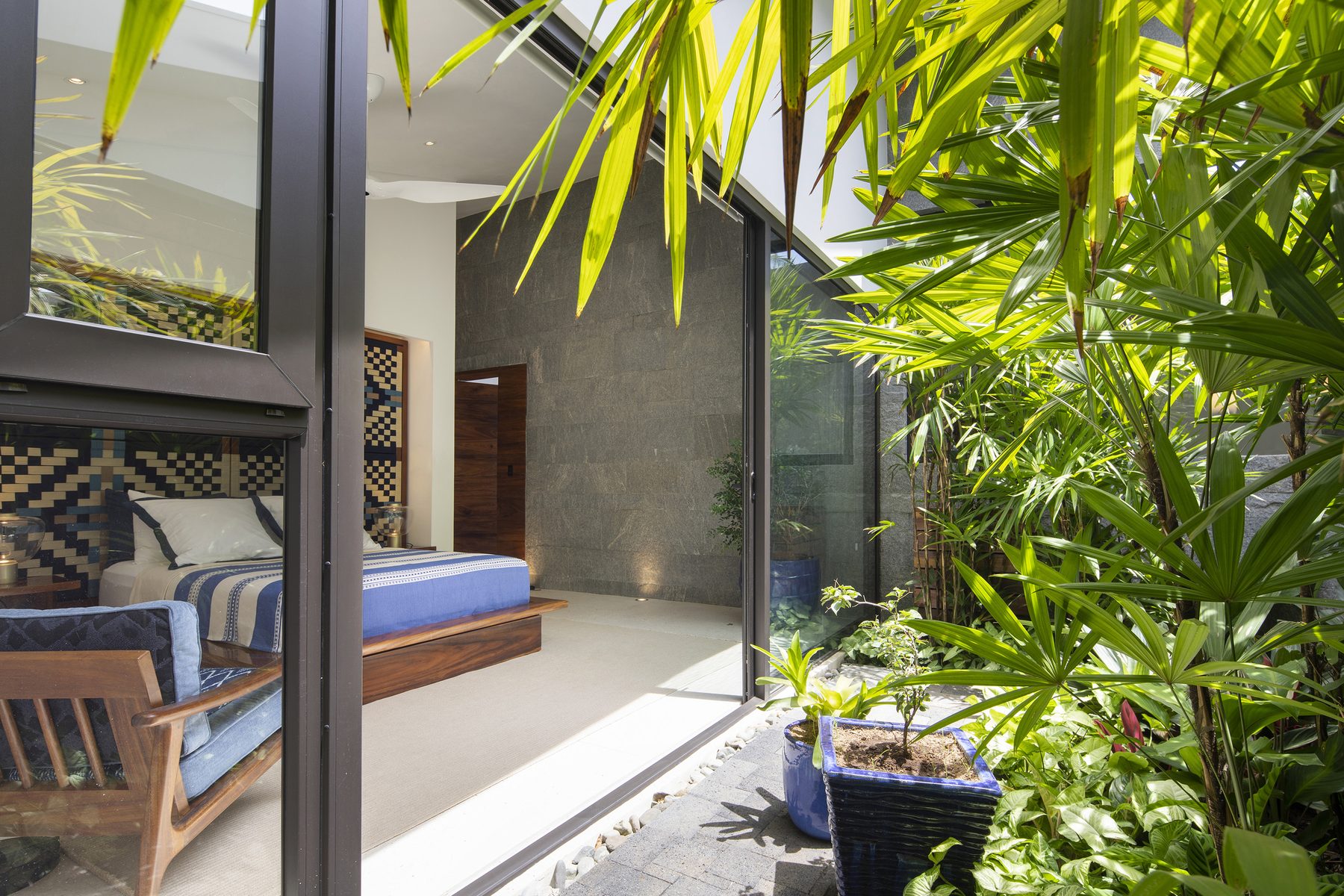
Beach Barn is conceived as a single-storey residence — a deliberate choice that prioritises easy, uninterrupted flow across a flat beachfront lot, where the ground itself becomes the connective tissue of daily life. The massing is organised around a central open barn volume: a tall, sheltered hall that anchors the plan and gives the house its character. To either side of this central barn, the main programme volumes — bedrooms, bathrooms, and utility — are drawn apart from one another rather than joined end to end. The gaps between them become internal garden courtyards, threading daylight and cross-ventilation into the deepest parts of the plan and filling the interior with lush tropical vegetation. The barn roof is the generator of it all. Its ridge is split along its full length, separating the two roof planes to form a long, spine-like clerestory that runs the entire depth of the house. Hot air rises and escapes through this continuous ventilation slot, drawing cooler air in from the garden courtyards below. In the morning, the same slot catches the low eastern sun and channels it directly into the kitchen — a daily ritual built into the architecture of the roof itself.